





 DogsYour New Puppy’s First Week: A Calm Survival GuideSleep, potty breaks and the art of saying “no” to a very cute face.
Written by
Dana Ruiz
Dana is a certified trainer and the human of two rescue mutts named Pickle and Waffles.
12Articles
2026Writing since
Done gently, crate training gives dogs a safe space and helps with house training. Done badly, it can turn a happy puppy into a howling one and leave a new owner feeling guilty and exhausted. The difference almost always comes down to pace. Dogs are den animals at heart, and many of them come to love a cozy crate as their own private bedroom, a spot where nobody bothers them and every nap is a good one. Getting there means introducing the crate as a reward rather than a punishment, building time inside it in tiny steps and never rushing a dog who is not ready. This is our step-by-step plan for crate training without tears, for dogs or for people.
Why a crate can help
A crate is not for every dog or every household, but for many families it solves real problems. Puppies generally try not to soil the place where they sleep, so a properly sized crate can speed up house training. A crate keeps a curious puppy away from electrical cords, shoes and household cleaners when you cannot supervise. It makes car trips safer, vet stays less stressful and travel easier, because the dog has a familiar space wherever it goes.
Many dogs also simply like having a retreat. In a busy house with kids, visitors and noise, a crate in a quiet corner gives a dog a place to rest without interruption. The key word is rest. A crate is a bedroom, not a storage unit, and it should never be used to hold a dog for most of the day.
A crate should feel like a bedroom, never a jail.
Dana Ruiz, certified dog trainer
Choose the right crate
Size matters. Your dog should be able to stand up, turn around and lie down comfortably. A crate much bigger than that can let a puppy use one end as a bathroom and the other as a bed. Many wire crates come with a divider panel, so you can buy a crate for your puppy’s adult size and adjust the space as it grows.
Wire crates offer airflow and visibility and fold flat for storage. Plastic crates feel more enclosed and are often required for air travel. Soft-sided crates are light and portable, but are best for dogs who are already calm in a crate, since determined chewers can escape. Whatever style you choose, place it in a part of the home where the family spends time, such as the living room or a corner of the bedroom. Dogs are social, and a crate in a lonely basement feels like exile.
Make it cozy
A soft blanket and a chew toy turn the crate into a den. Add a washable bed or blanket, and if your puppy tends to shred bedding, start with a simple mat and upgrade later. Some dogs like a light blanket draped over the top and sides of a wire crate, which makes it feel more den-like. Leave the front uncovered for airflow.
Next, make the crate a place where good things happen. Toss treats inside when your dog is not looking so it discovers surprises there. Feed meals near the crate, then just inside the door, then all the way at the back. Offer a long-lasting chew or a food-stuffed toy that only appears in the crate. Many dogs will start wandering in on their own to check for goodies, which is a sign you are on the right track.

Short sessions
Start with a few minutes with the door open and build slowly. This is where patience pays off. Rushing to close the door for hours on day one is the most common reason crate training fails.
Here is a sample progression. Every dog moves at its own pace, so stay at each step until your dog is relaxed before moving on:
- Let your dog explore the crate with the door open, tossing treats inside.
- Feed meals inside the crate with the door open.
- Close the door during meals, opening it as soon as your dog finishes eating.
- Close the door for a minute or two after meals while you sit nearby.
- Gradually build to 10, then 20, then 30 minutes while you are in the room.
- Step out of the room for short periods and return before your dog gets anxious.
- Practice brief absences from the house, slowly increasing the time.
Keep your comings and goings low-key. A dramatic goodbye or an excited return can build tension around the crate. Let your dog out calmly, ideally when it is quiet.
Nights, whining and setbacks
The first few nights
Many trainers suggest putting a new puppy’s crate in or near your bedroom at first. Being able to hear and smell you is comforting, and you will hear when your puppy needs a bathroom trip. Young puppies often need to go out once or twice during the night. Make those trips boring: quiet voice, straight outside, straight back to bed.
When your dog whines
Whining can mean many things: a bathroom need, boredom, loneliness or a test to see if crying opens the door. If you suspect a bathroom need, take your dog out on a leash, then return it to the crate without play. If you are confident the needs are met, wait for a brief pause in the noise before letting your dog out, so quiet is what gets rewarded. If whining turns into panic, such as frantic chewing at the bars, drooling or injury, stop and go back several steps. Signs of real distress can point to separation anxiety, which deserves help from your vet or a qualified trainer.

Crate rules to live by
A few ground rules keep crate time healthy and positive for life:
- Never use the crate as punishment.
- Remove collars with tags that could catch on wire.
- Keep crate time reasonable. Puppies cannot hold their bladders for long, and adult dogs need exercise and company.
- Always exercise your dog and offer a bathroom break before longer crate stays.
- Keep the crate door open when you are home so your dog can choose to nap there.
A common guideline is that a puppy can hold its bladder roughly one hour per month of age, up to a limit, but every dog is different. Ask your vet what is reasonable for your dog’s age and health.
Key takeaway: Crate training works when the crate is cozy, rewarding and introduced in small, patient steps. If it ever feels like a jail to your dog, slow down.
A den for life
Most dogs who are crate trained gently keep using their crate long after house training is done, often with the door wide open. It becomes the place they go when the doorbell rings, when the house is noisy or when they simply want a good nap. That is the real goal: not a dog who tolerates the crate, but a dog who chooses it. Give it time, keep it positive and you will both sleep better.
Written by
Dana Ruiz
Dana is a certified trainer and the human of two rescue mutts named Pickle and Waffles.
12Articles
2026Writing since
Read next
DogsYour New Puppy’s First Week: A Calm Survival GuideSleep, potty breaks and the art of saying “no” to a very cute face. DogsDog Park Manners: The Unwritten RulesHow to keep play fun for every dog (and every human).
 DogsPuppy Socialization: The 12-Week WindowGentle new experiences that shape a confident adult dog.
 DogsTeaching “Leave It” in Five Short SessionsThe one cue that can keep your dog safe.
 CatsKitten Playtime: Games That Build a Confident CatWand toys, boxes and why hands are not toys.
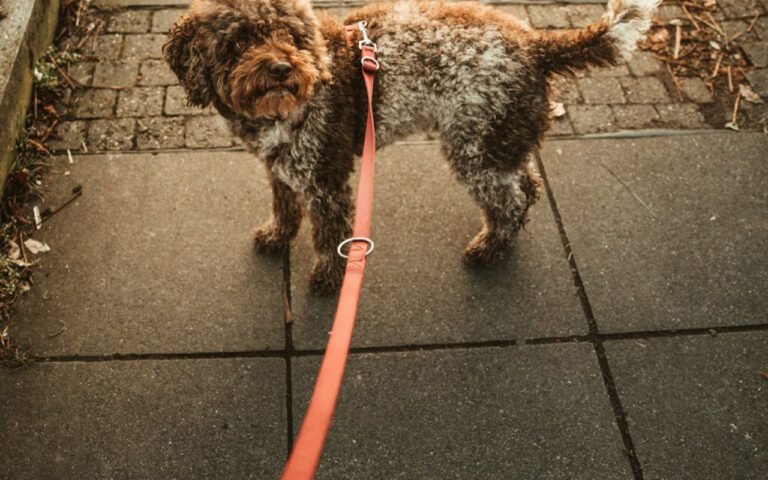 DogsLeash Walking: Turning Pulling Into StrollingStop, turn, reward — and repeat.
 DogsRecall Training: Teaching Your Dog to Come Every TimeThe most important cue — and how to make it irresistible.PuppiesPuppy Teething: What HelpsCold chews, gentle redirection and a lot of patience.
 DogsGolden Retrievers: Everything You Need to KnowFriendly, food-motivated and very, very hairy.
2 Comments
Sharing this with my friends.
Saved this one for later. Really useful.