 DogsYour New Puppy’s First Week: A Calm Survival GuideSleep, potty breaks and the art of saying “no” to a very cute face.
Adoption Dr. Leah Moran6 min read
Bringing Home a Senior Dog
Why older dogs make wonderful, mellow companions.
Dr. Leah Moran6 min readRead next
DogsYour New Puppy’s First Week: A Calm Survival GuideSleep, potty breaks and the art of saying “no” to a very cute face. DogsDog Park Manners: The Unwritten RulesHow to keep play fun for every dog (and every human).
 DogsPuppy Socialization: The 12-Week WindowGentle new experiences that shape a confident adult dog.
 Care & GearThe Best Dog Beaches Are Also the Best-Behaved OnesEtiquette, safety and how to keep sand out of your car (mostly).
 DogsTeaching “Leave It” in Five Short SessionsThe one cue that can keep your dog safe.
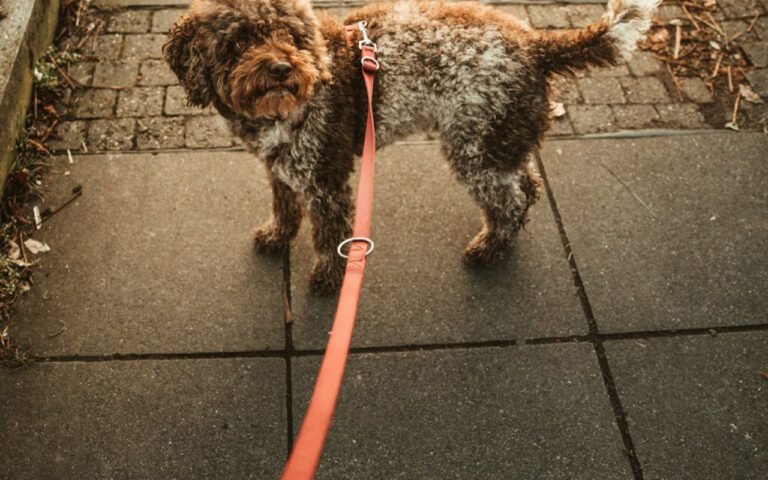 DogsLeash Walking: Turning Pulling Into StrollingStop, turn, reward — and repeat.
 AdoptionAdopting From a Shelter: What to Ask Before You CommitQuestions that help you find the right match.
 Care & GearHow to Give Your Dog a Bath Without a Wrestling MatchWarm water, lots of treats and the right towel.
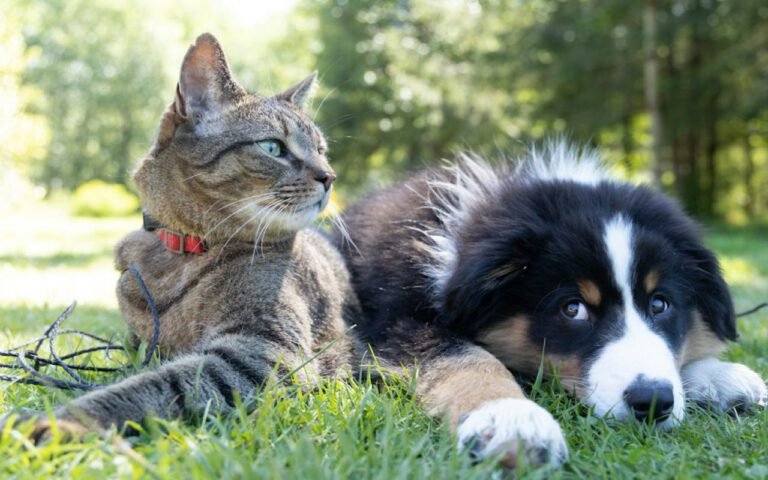 CatsCats and Dogs Under One Roof: A Slow Introduction PlanScent first, sight second, supervised visits third.
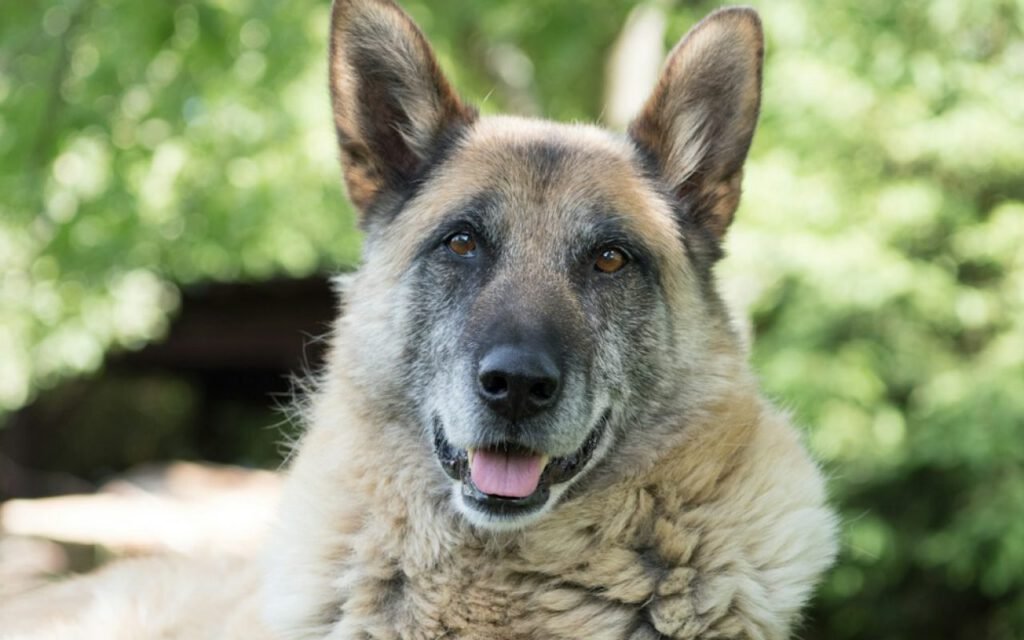
Senior dogs are often the last to be adopted, yet many are calm, house-trained and ready to love. Walk through almost any shelter and you will find them: gray-muzzled dogs resting quietly in their kennels while visitors crowd around the puppies. Some ended up there because an owner passed away, moved into assisted living or simply couldn’t care for them anymore. Many have spent years as beloved family pets and know exactly how to live in a home. Yet they are often overlooked, because people assume older dogs come with problems or won’t be around for long. The adopters who take a chance on them tell a very different story. Here is what to know if you are thinking about bringing home a senior dog.
Why older dogs are wonderful
Many shelters consider dogs “senior” from about seven years old, though it varies by size; large breeds tend to age faster than small ones. A senior dog’s personality is usually well established, which means what you see is largely what you get. Shelter staff can often tell you whether they get along with cats, how they behave with kids and whether they like car rides.

Adopters often mention these benefits:
- Calmer energy: most senior dogs are happy with a walk and a long nap.
- House training: many already know the basics, or pick them up quickly.
- Known manners: many know “sit,” walk nicely on a leash and settle easily.
- Less destruction: the shoe-chewing phase is usually long gone.
- Instant companionship: they are often content to simply be near you.
For people who work from home, older adults, families with a busy schedule or anyone who prefers a mellow companion, a senior dog can be a perfect match.
What to expect
Older dogs may need softer beds, gentler walks and more frequent vet checkups. Aging dogs, like aging people, often have stiffer joints, less stamina and changing needs. None of this should scare you off, but it is worth planning for.
At home, a few small changes make a big difference. Provide a thick, supportive bed in a warm, draft-free spot. Add rugs or runners on slippery floors so your dog can get up and walk without sliding. Consider ramps or steps for getting onto the couch or into the car. Keep walks shorter and more frequent, letting your dog set the pace and sniff along the way.
Health care deserves attention, too. Many vets suggest checkups twice a year for senior dogs, rather than once, so changes can be caught early. Dental care, weight management and joint support are common topics. Ask the shelter for any medical records they have, and book a visit with your own vet soon after adoption to set a baseline. If your dog takes medication, make sure you understand the dose and schedule before you bring them home.
Budget accordingly. Older dogs may need more vet visits or ongoing medication than a young dog. Some shelters offer reduced adoption fees or support programs for senior pets, so ask what is available.
The first few weeks
Even calm, experienced dogs need time to adjust to a new home. Their routine has changed, their people are new and the smells and sounds are unfamiliar. Many trainers describe a rough guide for new adoptions: a few days to decompress, a few weeks to learn the routine and a few months to feel fully at home.
Help your new companion settle with these steps:
- Keep it quiet. Skip big welcome parties and let your dog explore one room at a time.
- Set a routine. Regular meals, walks and bedtime help an older dog feel secure.
- Give them a retreat. A quiet corner with a bed where they won’t be disturbed.
- Go slow with other pets. Introduce resident animals gradually, with supervision.
- Be patient with accidents. Even house-trained dogs may have a slip or two in a new place.
Watch for small signs of comfort: a relaxed sigh, a tail wag when you come home, a first time they roll onto their back. Each one is a milestone.
Keep the first few walks short and close to home, even if your new dog seems eager. Older dogs can tire suddenly, and hot pavement or icy sidewalks are harder on aging joints. Early mornings and evenings are usually the most comfortable times in summer, and a dog sweater can help thin-coated seniors in winter. Mental exercise matters as much as physical activity. Sniff walks, gentle food puzzles and short training games keep an older mind sharp, and senior dogs can absolutely learn new tricks. Many enjoy the attention and the treats just as much as a puppy would.
Finally, update the basics right away: a collar with an ID tag listing your phone number, and a quick call to the microchip company to register your contact details.
The reward
Many adopters say their senior dog settled in faster than any puppy ever did. There are no middle-of-the-night potty trips, no chewed table legs and no months of basic training. Instead, there is a calm, grateful companion who seems to understand that they have found a soft place to land.
He slept through his first night and every night after. Best decision we ever made.
Maria K., adopter
Stories like Maria’s are common among senior-dog adopters. Many describe a bond that forms surprisingly quickly, as if the dog knows they have been given a second chance. Others talk about the quiet joy of giving an older dog comfortable golden years after a difficult time.
It is true that your time together may be shorter than with a puppy. Many adopters say that makes every day feel more precious, not less. Some older dogs live for many happy years after adoption, and every one of those years is a gift for both of you.
Is a senior dog right for you?
Before you adopt, think about your home and lifestyle. Do you have many stairs? Can you manage a large dog who might need help getting into the car someday? Are you prepared for vet visits and possible medication costs? Answering these questions honestly helps you choose a dog whose needs fit your life.
Talk openly with the shelter or rescue team. They know their dogs well and want every adoption to succeed. Many offer foster-to-adopt programs, letting you try life together before making it official. Some even have “senior for senior” programs that match older dogs with older adults.
Key takeaway: Senior dogs are often calm, house-trained and quick to bond. Plan for comfort, regular vet care and a gentle first few weeks, and you may find your best companion yet.
A second chance, a full heart
Bringing home a senior dog isn’t about saving a dog so much as finding a friend who is ready to share a quieter, gentler stretch of life with you. They ask for a soft bed, a steady routine and a little patience, and they give back loyalty, calm and a lot of love. If you are planning to adopt, take a slow walk past the gray muzzles on your next shelter visit. Your perfect match might be the one who has been waiting the longest.
General pet-care information, not veterinary advice. Call your own vet with any health question.

Written by
Dr. Leah Moran
Leah is a small-animal vet who reviews our health and safety stories.
7Articles
2026Writing since



Start the conversation