



 DogsYour New Puppy’s First Week: A Calm Survival GuideSleep, potty breaks and the art of saying “no” to a very cute face.
Written by
Dana Ruiz
Dana is a certified trainer and the human of two rescue mutts named Pickle and Waffles.
12Articles
2026Writing since
A reliable recall keeps your dog safe. Make coming back the best thing ever. If you have ever stood in a park shouting your dog’s name while it happily sniffed its way in the opposite direction, you know how helpless that moment feels. A dog who comes when called can enjoy more freedom, from off-leash beaches to hiking trails, because you can call it away from traffic, wildlife, other dogs or trouble. Recall is often called the most important cue a dog can learn, and also the hardest to perfect. That is because, in that moment, coming back to you is competing with everything else in the world. Your job is to make sure you win that competition. Here is how to build a recall your dog cannot resist.
Why dogs ignore “come”
Most recall problems are not about stubbornness. They are about history. If “come” often means the end of fun, such as leaving the dog park, getting a bath or being put in a crate, a smart dog quickly learns to hesitate. If the word has been repeated over and over without any follow-through, it becomes background noise. And if a dog has ever been scolded after finally coming back, it may decide that returning is risky.
The fix is to change what “come” means to your dog. It should predict something wonderful, every single time. That takes deliberate practice, great rewards and a lot of patience, but the result is worth it.
High-value rewards
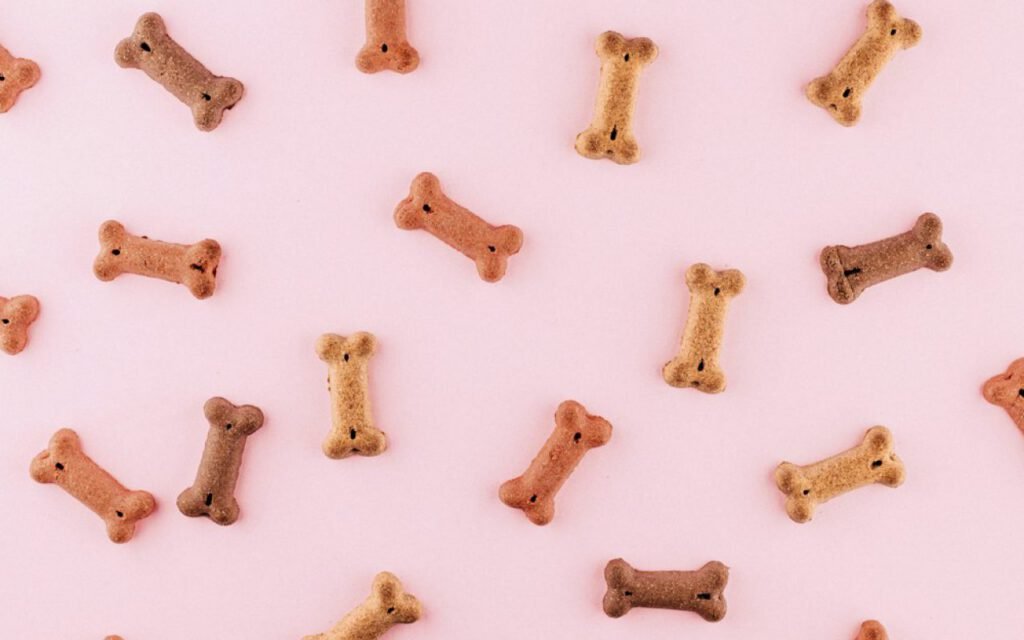
Save the best treats just for recall practice. Kibble and ordinary biscuits are fine for easy cues at home, but recall needs to pay better than anything else your dog could be doing. Think small pieces of cooked chicken, cheese, hot dog, freeze-dried liver or whatever your dog goes wild for. Some dogs value a favorite squeaky toy or a quick game of tug even more than food.
Keep these special rewards reserved for recall, so they stay exciting. When your dog arrives, do not just hand over one treat. Make it a party: several treats in a row, happy praise, maybe a game. The bigger the celebration, the faster your dog will come next time.
If your dog has dietary restrictions or a sensitive stomach, ask your vet which high-value treats are safe, and adjust meal portions on heavy training days.
Your dog should think “come” means a party is starting.
Dana Ruiz, certified dog trainer
Building recall step by step
Like any skill, recall should be built from easy to hard. Rushing to test it in a busy park is the most common mistake. Follow these stages, moving forward only when your dog succeeds almost every time:
- Charge the word. In a quiet room, say your recall word once and immediately give a great treat, even if your dog is right next to you. Repeat several times a day for a few days.
- Short distances indoors. When your dog is a few feet away, say the word, then back up a step or two to encourage it to follow. Reward the moment it reaches you.
- Different rooms. Call your dog from another room of the house, and celebrate when it arrives.
- The backyard. Practice outside in a fenced area with mild distractions.
- On a long line. In parks and open spaces, use a long training line of 20 to 30 feet so your dog has freedom but cannot practice ignoring you.
- Add distractions slowly. Practice near other dogs, people or wildlife at a distance where your dog can still succeed, then gradually move closer.
Choose a fresh word
If “come” has been overused or linked to unpleasant things, consider starting over with a brand-new recall word or a whistle. A fresh cue comes with no bad history. Whatever you choose, make sure everyone in the family uses the same word in the same cheerful tone.
Play recall games
Games make practice fun for both of you. Try “ping-pong recall,” where two family members stand apart and take turns calling the dog back and forth with rewards. Or play hide-and-seek, calling your dog from behind a door or a tree and celebrating when it finds you. Chase games, where you run away and let your dog catch you, tap into a dog’s natural instinct to follow.
Never punish
If your dog comes back slowly, still celebrate. This is the hardest rule to follow when you are frustrated, cold and late for work. But think about it from your dog’s point of view. It just stopped doing something fun to come to you. If it gets scolded on arrival, it learns that coming back leads to trouble. Next time, it might take even longer, or not come at all.
The same goes for subtle punishments. Avoid calling your dog only when it is time to leave the park. Instead, call your dog several times during each outing, reward it and then release it to go play again. That way, coming to you does not always mean the fun is over. When it is time to go home, walk over and clip on the leash calmly, or call and give an extra special reward before leaving.
Never chase a dog who is ignoring you, either, unless it is in immediate danger. Many dogs think being chased is a great game. Running away from your dog, crouching down or making a playful noise usually works better.
Safety and realistic expectations
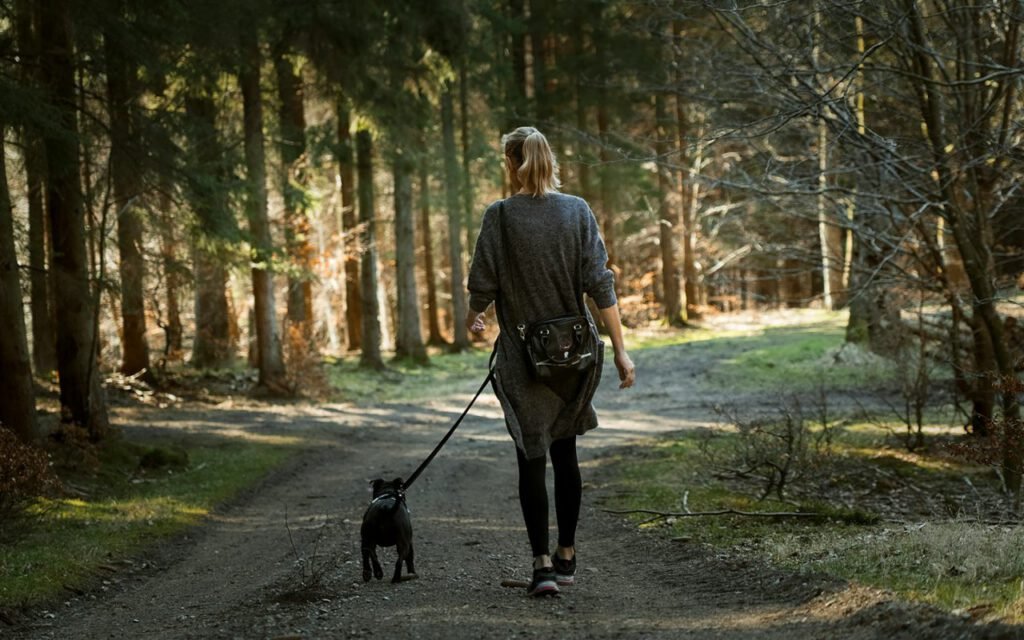
Even dogs with excellent recall are still animals, and no cue is ever one hundred percent guaranteed. Always follow local leash laws, and keep your dog leashed near roads, in unfenced areas you do not know and anywhere wildlife or livestock might be present. Some breeds, especially sighthounds and scent hounds, have very strong instincts to chase or follow a trail, and may never be fully reliable off leash in open spaces. That is not a training failure. It is simply who they are.
Make sure your dog wears an ID tag and is microchipped with up-to-date contact information, just in case. A long line is a great tool for giving dogs freedom while keeping them safe in places where full off-leash time is not appropriate.
Key takeaway: Make recall the best deal in town with top-tier rewards, practice in small steps and celebrate every return, no matter how slow.
Keep the party going
Recall is not a cue you teach once and forget. Like a muscle, it gets weaker without use. Keep practicing throughout your dog’s life, especially in new places and around new distractions. Carry high-value treats on every walk, and reward recalls generously even when your dog is an expert. Those regular paychecks keep the cue strong for the day you really need it.
With time, patience and a lot of celebrations, your dog will learn that your call means only good things. And one day, when you call across a busy park and see your dog spin around and race back to you, ears flying and tail wagging, you will know every minute of practice was worth it.
Written by
Dana Ruiz
Dana is a certified trainer and the human of two rescue mutts named Pickle and Waffles.
12Articles
2026Writing since
Read next
DogsYour New Puppy’s First Week: A Calm Survival GuideSleep, potty breaks and the art of saying “no” to a very cute face. DogsDog Park Manners: The Unwritten RulesHow to keep play fun for every dog (and every human).
 DogsPuppy Socialization: The 12-Week WindowGentle new experiences that shape a confident adult dog.
 AdoptionBringing Home a Senior DogWhy older dogs make wonderful, mellow companions.
 Care & GearThe Best Dog Beaches Are Also the Best-Behaved OnesEtiquette, safety and how to keep sand out of your car (mostly).
 DogsTeaching “Leave It” in Five Short SessionsThe one cue that can keep your dog safe.
 DogsLeash Walking: Turning Pulling Into StrollingStop, turn, reward — and repeat.PuppiesCrate Training Without TearsA cozy den, short steps and lots of treats.
 AdoptionAdopting From a Shelter: What to Ask Before You CommitQuestions that help you find the right match.
Start the conversation