



 Care & GearThe Best Dog Beaches Are Also the Best-Behaved OnesEtiquette, safety and how to keep sand out of your car (mostly).
Care & Gear Sam Okafor6 min read
Why Do Cats Sleep So Much?
Up to 16 hours a day — and it’s completely normal.
Sam Okafor6 min read

Written by
Sam Okafor
Sam is a cat behavior consultant who has never once won an argument with a cat.
6Articles
2026Writing since
Most adult cats sleep somewhere between 12 and 16 hours a day. Kittens and seniors often sleep even more. If you share your home with a cat, you have probably noticed that they seem to spend most of their lives curled up in a sunbeam, stretched across the back of the couch or tucked into a laundry basket that was supposed to stay clean. New cat owners sometimes worry that all that snoozing means something is wrong. In most cases, it doesn’t. Sleeping a lot is part of being a cat, and it says a great deal about how cats evolved, how they hunt and how they feel in their homes. Here is what is going on behind those closed eyes, and when a change in sleep is worth a closer look.
Born hunters
Cats are wired to save energy for short bursts of hunting, which is why they’re most lively at dawn and dusk. Even the most pampered house cat carries the instincts of a small predator. In the wild, a cat’s hunt is intense: stalking, pouncing and chasing take a lot of energy in a very short time. Between hunts, resting conserves fuel for the next opportunity.
That pattern explains the burst of zoomies many cat owners know well. Cats are what scientists call crepuscular, meaning they are naturally most active around twilight, in the early morning and early evening. If your cat races through the hallway at five in the morning or suddenly wants to play right after dinner, they are following an ancient clock. Many indoor cats adjust partly to their family’s schedule, but the dawn and dusk peaks often remain.
A well-timed play session can help. Ten or fifteen minutes with a wand toy in the evening, followed by a small meal, mimics the hunt, catch, eat and sleep cycle. Many cats settle down much more peacefully afterward, which can mean quieter mornings for you.

Not all sleep is deep
A lot of what looks like sleep is actually light dozing. Cats spend much of their rest in a shallow state where their ears still swivel toward sounds and their eyes may stay slightly open. This “cat nap” lets them rest while staying alert to anything interesting, or anything worrying, nearby. Only a smaller part of their sleep is deep sleep, when muscles relax fully and you may see twitching whiskers, paws or tails.
You can often tell what kind of rest your cat is getting by their position:
- Loaf position: paws tucked underneath, ready to spring up quickly. Usually a light doze.
- Curled in a ball: keeps warmth in and protects the belly. Often deeper rest in a cool room.
- Stretched out on the side: relaxed and comfortable, usually in a warm spot.
- Belly up: the most vulnerable position, and a sign that your cat feels very safe.
Twitching during deep sleep is normal and may be a sign of dreaming. There is no need to wake them.
Age, season and personality
How much a cat sleeps depends on several everyday factors. Kittens sleep a great deal because their bodies are growing quickly, and they tend to play hard in short bursts, then crash. Senior cats often sleep more as they slow down, much like older people. Adult cats in their prime usually fall somewhere in the middle.
Weather matters, too. Many cats sleep more on cold or rainy days and seek out warm spots like a sunny windowsill, a heating vent or your freshly warmed chair. Indoor cats with fewer things to do may also sleep more out of plain boredom. Personality plays a role as well; some cats are naturally laid-back, while others are curious busybodies who check on every noise.
A sleeping cat is a cat that feels safe. Take it as a compliment.
Dr. Leah Moran, veterinarian
Dr. Moran’s point is worth remembering. A cat that dozes in the middle of the living room, exposed and relaxed, is telling you something about how secure they feel with you.

Helping your cat rest well
You can’t make a cat sleep on a schedule, but you can help them rest comfortably and stay active when they are awake. A few simple ideas:
- Offer several cozy spots. A soft bed, a covered hideaway and a perch near a window give your cat options.
- Add vertical space. Cat trees and shelves let cats rest up high, where many feel safest.
- Play every day. Short, active play sessions burn energy and keep indoor cats fit.
- Keep routines steady. Regular meal times help cats settle into a predictable rhythm.
- Respect sleep. Let resting cats be, especially if they have chosen a quiet corner.
Food puzzles and rotating toys can also add interest to an indoor cat’s day, giving them something to “hunt” while you are at work.
If your cat’s nighttime energy keeps you awake, resist the urge to respond to every early-morning meow with food or attention. That teaches them that waking you works. Instead, try an automatic feeder set for dawn, plenty of evening play and a closed bedroom door if needed. Most cats adjust within a couple of weeks once they learn the new routine. A window perch with a view of birds can also keep an early riser entertained while you sleep a little longer.
When to worry
A sudden change — sleeping much more, hiding or not eating — is worth a call to your vet. The key word is change. A cat who has always slept sixteen hours a day is probably fine. A cat who suddenly sleeps far more than usual, seems hard to wake, stops greeting you at the door or loses interest in food may be telling you something isn’t right.
Other signs worth mentioning to your vet include changes in litter box habits, drinking much more water, weight loss or gain, limping or reluctance to jump, and hiding in unusual places. Cats are very good at masking discomfort, so small changes in behavior are often the first clue. Keep a few notes on what you notice and when it started; they will help your vet a great deal.
On the other side, a cat who suddenly sleeps much less, seems restless or cries at night may also need a checkup, particularly if they are older. Your vet can look for common causes and suggest next steps.
Key takeaway: Twelve to sixteen hours of sleep is normal for most adult cats. What matters is noticing changes in your own cat’s usual patterns and checking in with your vet when something seems off.
Let sleeping cats lie
All that sleep isn’t laziness. It is the natural rhythm of a small hunter who saves energy for the moments that count, and a sign that your cat feels at home. Give them warm spots to rest, a little play each day and a steady routine, and they will reward you with plenty of purring company in between naps. Just keep an eye out for sudden changes, and when in doubt, call your vet. Then go ahead and enjoy the view of a cat sprawled belly up in the sun. It is one of the small joys of sharing a home with one.
General pet-care information, not veterinary advice. Call your own vet with any health question.
Written by
Sam Okafor
Sam is a cat behavior consultant who has never once won an argument with a cat.
6Articles
2026Writing since
Read next
Care & GearThe Best Dog Beaches Are Also the Best-Behaved OnesEtiquette, safety and how to keep sand out of your car (mostly). CatsKitten Playtime: Games That Build a Confident CatWand toys, boxes and why hands are not toys.
 Care & GearHow to Give Your Dog a Bath Without a Wrestling MatchWarm water, lots of treats and the right towel.
 CatsCats and Dogs Under One Roof: A Slow Introduction PlanScent first, sight second, supervised visits third.
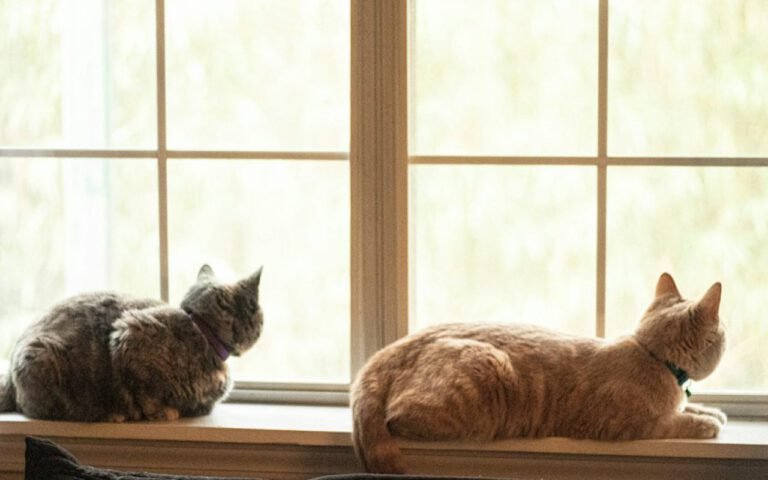 AdoptionWindow Watching: Enrichment Ideas for Indoor CatsBird feeders, perches and a little cat TV.
 Care & GearCozy Cat Beds Our Readers Swear ByHeated, hooded and cardboard — the honest results.
 AdoptionBonded Pairs: Why Adopting Two Can Be EasierTwo friends, one adoption, half the loneliness.
 AdoptionFoster Before You Adopt: The Try-It-First OptionShelters need foster homes — and fostering helps you learn what fits.AdoptionBrushing Your Pet’s Teeth: A Two-Minute HabitPet toothpaste, a soft brush and patience.
Start the conversation