



 DogsYour New Puppy’s First Week: A Calm Survival GuideSleep, potty breaks and the art of saying “no” to a very cute face.
Written by
Dana Ruiz
Dana is a certified trainer and the human of two rescue mutts named Pickle and Waffles.
12Articles
2026Writing since
“Leave it” teaches your dog to ignore something on the ground — a dropped pill, a chicken bone, a sock. It is not the flashiest cue in a dog’s toolbox. Nobody posts videos of a dog calmly walking past a french fry on the sidewalk. But ask any veterinarian or trainer which skill they most want every family to teach, and “leave it” lands near the top of the list. It turns a split-second emergency into a non-event. The best part is that it does not take months. With five short sessions spread over a week or two, most dogs grasp the basic idea, and the rest is practice in the real world. Here is the plan we use, broken into bite-size steps that fit into a busy evening.
Why this cue matters
Dogs explore with their mouths. That is normal, but it also means they will happily scoop up things that can hurt them: medication that rolled under the couch, bones tossed on a city sidewalk, grapes dropped from a lunchbox, a sock that becomes an expensive trip to the emergency vet. A solid “leave it” gives you a way to step in before the item is in your dog’s mouth.
It also builds something bigger than a single behavior. Each time your dog chooses to look away from a tempting thing and back at you, it practices impulse control. Dogs who learn this tend to get calmer around food on the coffee table, toys belonging to the kids and squirrels in the yard. You are teaching your dog that good things come from checking in with you rather than grabbing whatever is closest.
Short, happy sessions beat long, frustrated ones every single time.
Dana Ruiz, certified dog trainer
Start easy
Hold a treat in a closed hand. The moment your dog backs off, reward from your other hand. That is session one in a nutshell, and it is worth doing slowly.
Session one: the closed fist
Sit or kneel at your dog’s level. Show a plain, low-value treat, then close your fist around it. Your dog will sniff, lick, paw and maybe nibble at your hand. Stay quiet and keep your fist still. Sooner or later, usually within a minute, your dog will pull back for a moment. Mark that instant with a cheerful “yes” and hand over a better treat from your other hand.
Notice the rule that runs through the whole plan: your dog never gets the item it was asked to leave. It gets something better from you. That is what makes the cue powerful. Repeat five to ten times, then stop and play.
Session two: adding the words
Once your dog backs away from your fist as soon as it closes, start saying “leave it” just before you present your hand. Keep the tone calm and friendly, not stern. Then begin opening your hand slightly. If your dog dives in, close it again. If it waits, mark and reward from the other hand. By the end of this session, many dogs will look up at your face instead of at the treat, which is exactly what you want.
Build up
Move to a treat on the floor under your foot, then out in the open, then on walks. Each step raises the difficulty a little, so take your time and go back a step whenever your dog struggles.
Session three: under your foot
Place a treat on the floor and cover it with your shoe. Say “leave it.” Your dog may sniff and paw at your foot. Wait. When it turns away or looks at you, mark and reward from your hand. After several clean repetitions, lift your foot a little to reveal the treat, ready to cover it again if your dog lunges.
Session four: out in the open
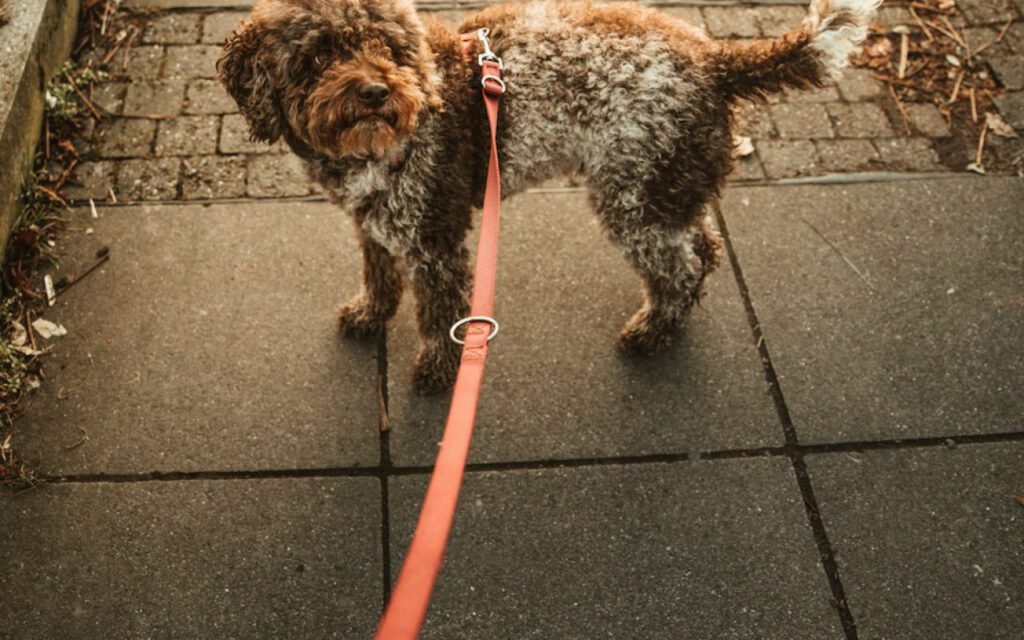
Now place a treat on the floor a few feet away while your dog is on a leash. Say “leave it” and walk past at a distance where your dog can succeed. Reward every glance back at you. Slowly shrink the distance over several repetitions. Try different items, too: a toy, a paper towel, a piece of kibble. Dogs learn best when the lesson is not tied to one specific object.
Session five: on walks
Plant a few “test” items along a short route before your walk, such as a toy or a treat in a sealed bag. Approach them on leash and practice the cue just as you did indoors. This is where the skill starts to become real. Keep the rate of reward high and the walk short.
Tips
Every dog learns at its own pace, but these habits help almost every dog get there faster:
- Sessions of 3–5 minutes
- Always reward with something better
- Practice in new places
- Stop while your dog is still succeeding and eager for more
- Use a cheerful voice, never a scolding one
- Keep a leash on during early outdoor practice so mistakes cannot be rewarded
The “something better” rule deserves extra attention. If you ask your dog to leave a piece of chicken and then reward it with a dry biscuit, it will quickly decide the trade is not worth it. Use your dog’s favorite treats for this cue, especially in the early weeks. Small pieces of cooked chicken, cheese or freeze-dried liver are common favorites, but check with your vet if your dog has a sensitive stomach or dietary restrictions.
Common mistakes to avoid
Most training hiccups with this cue come from moving too fast. If your dog suddenly ignores the cue, go back to the last step it did well and repeat that for a session or two. Another frequent problem is repeating the words over and over. Say “leave it” once, then wait. If your dog needs help, make the next attempt easier rather than louder.
Avoid snatching items out of your dog’s mouth in anger, too. Dogs who learn that people steal their treasures sometimes start gulping things down faster or guarding them. If your dog already has something, a separate cue such as “drop it” or a calm trade for a treat works better. And never use real hazards, like medication or chocolate, as practice items. Stick with safe objects and save the real thing for real life.
Key takeaway: “Leave it” is learned in small, cheerful steps, and your dog should always earn something better than whatever it walked away from.
Keep it sharp for life
After five sessions, your dog will understand the idea. Turning that into a rock-solid habit takes ongoing practice in different places, with different distractions and with different family members giving the cue. Sprinkle a few quick repetitions into everyday life: when you drop a napkin in the kitchen, when you pass a fast-food wrapper on the sidewalk, when the kids spill cereal. A minute here and there adds up quickly.
Over time, you can start rewarding every second or third success instead of every one, but keep treats in your pocket on walks for the surprises the world throws at you. One day your dog will glance at something dangerous on the ground, look up at you and keep walking. That moment makes every short session worth it.
Written by
Dana Ruiz
Dana is a certified trainer and the human of two rescue mutts named Pickle and Waffles.
12Articles
2026Writing since
Read next
DogsYour New Puppy’s First Week: A Calm Survival GuideSleep, potty breaks and the art of saying “no” to a very cute face. DogsDog Park Manners: The Unwritten RulesHow to keep play fun for every dog (and every human).
 DogsPuppy Socialization: The 12-Week WindowGentle new experiences that shape a confident adult dog.
 AdoptionBringing Home a Senior DogWhy older dogs make wonderful, mellow companions.
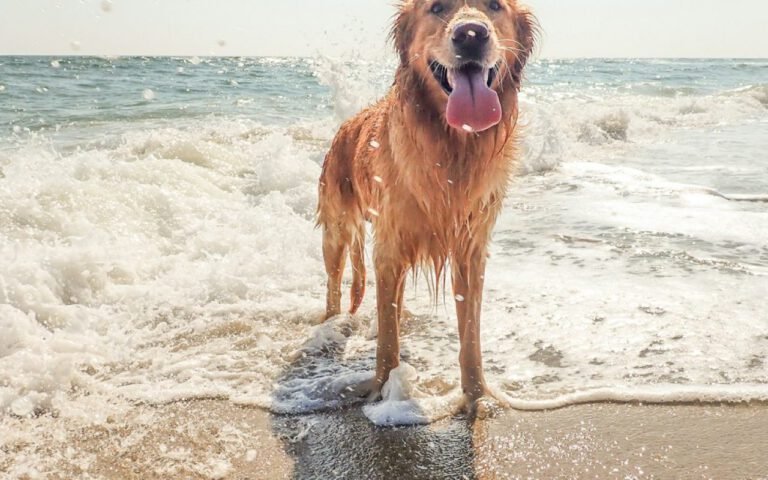 Care & GearThe Best Dog Beaches Are Also the Best-Behaved OnesEtiquette, safety and how to keep sand out of your car (mostly).
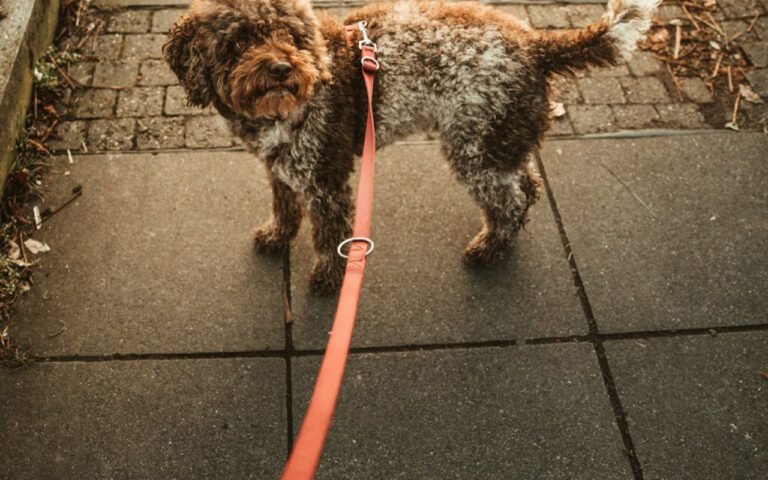 DogsLeash Walking: Turning Pulling Into StrollingStop, turn, reward — and repeat.PuppiesCrate Training Without TearsA cozy den, short steps and lots of treats.
 AdoptionAdopting From a Shelter: What to Ask Before You CommitQuestions that help you find the right match.
 Care & GearHow to Give Your Dog a Bath Without a Wrestling MatchWarm water, lots of treats and the right towel.
Thanks for explaining this so clearly.
Great reporting — please keep following this story.