



 DogsDog Park Manners: The Unwritten RulesHow to keep play fun for every dog (and every human).
Written by
Dana Ruiz
Dana is a certified trainer and the human of two rescue mutts named Pickle and Waffles.
12Articles
2026Writing since
The first week with a puppy is magical and exhausting. A simple routine makes it easier for both of you. One minute you are watching a tiny, sleepy ball of fur snore on your lap, and the next you are standing in the backyard at two in the morning, whispering “go potty” into the dark. That mix of joy and chaos is completely normal. Your puppy has just left everything familiar, including their mother and littermates, and is learning a new home, new people and new rules all at once. You are learning, too. The good news is that a calm, predictable first week sets the stage for a confident dog and a much easier few months ahead. Here is how to get through it with your patience, and your shoes, intact.
Before your puppy comes home
A little preparation makes the first day far less hectic. Set up your puppy’s space before you pick them up, so you aren’t assembling a crate while a small dog chews the box. You will want a crate or exercise pen, a washable blanket or bed, food and water bowls, the food your breeder or shelter has been using, a collar with an ID tag, a leash, a few safe chew toys and plenty of enzyme cleaner for accidents.
Decide on house rules as a family, too. Will the puppy be allowed on the couch? Which rooms are off-limits? Who handles the late-night potty trip? Agreeing now means everyone gives the puppy the same message, and consistency is what helps them learn fastest.
Finally, puppy-proof at puppy height. Get down on the floor and look around. Anything that dangles, wobbles or fits in a small mouth is fair game, from phone chargers and socks to houseplants and kids’ toys.

Potty breaks on a schedule
Take your puppy out after waking, after meals and after play — and praise every success outside. Young puppies have small bladders and very little control, so the goal in week one isn’t perfection. It is to give them as many chances as possible to get it right, and to make getting it right feel wonderful.
A typical day might include potty trips at these moments:
- First thing in the morning, before you even make coffee
- Within a few minutes after every meal
- Right after waking up from every nap
- After a play session or a training game
- Before bedtime, and once or twice overnight for very young puppies
Take them to the same spot each time, stay calm and quiet, and wait. When they go, praise warmly and offer a small treat right away, while they are still in the spot. If there is an accident indoors, don’t scold. Simply clean it thoroughly with an enzyme cleaner so the smell doesn’t invite a repeat, and take them out more often. Punishment teaches puppies to hide when they need to go, which makes house training harder, not easier.
A quiet place to sleep
A crate or pen with a soft blanket becomes a safe den, not a punishment. Many dogs come to love their crate as a cozy retreat, but only if it is introduced gently and always linked with good things. Toss treats inside, feed meals near or in the crate and let your puppy wander in and out on their own during the day before you ever close the door.
At night, many trainers suggest placing the crate in or near your bedroom for the first week or two. Your puppy has just left a warm pile of siblings, and being able to hear and smell you can make a big difference. A blanket that smells like their litter, if the breeder or shelter can share one, helps too. Expect some crying the first few nights. A quiet word or a hand near the crate is fine, but try not to make a big production of it.
Puppies don’t need perfect owners. They need predictable ones.
Dana Ruiz, certified dog trainer
Puppies also need a lot of sleep, often eighteen hours or more a day. An overtired puppy gets bitey, wild and hard to settle, a lot like a toddler who skipped a nap. If your puppy suddenly turns into a tiny shark, a quiet nap in the crate is often the answer.
The art of saying no
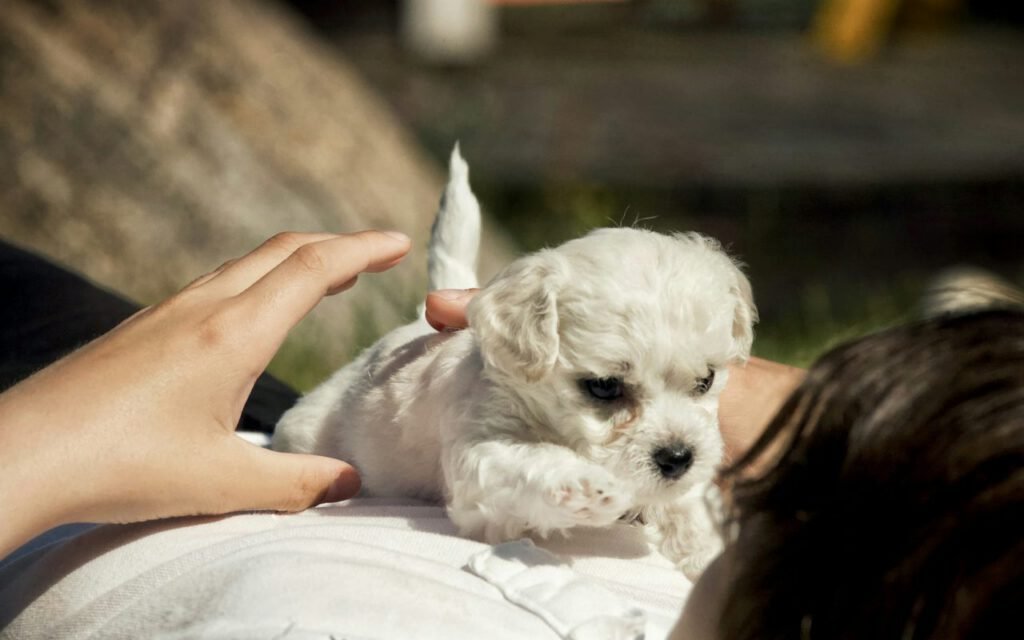
That very cute face will test you. Puppies chew, nip, jump and pull, not because they are naughty, but because that is how they explore the world. The trick is not to punish natural behavior but to redirect it toward something acceptable, then reward the better choice.
If your puppy grabs a shoe, calmly trade it for a chew toy and praise them when they chew the toy. If they nip hands during play, stop the game for a few seconds, then offer a toy instead. If they jump up for attention, turn away and greet them only when all four paws are on the floor. These small, repeated moments add up quickly, especially when everyone in the house responds the same way.
Keep training sessions short and fun. Five minutes of practicing “sit,” name recognition or coming when called, a few times a day, is plenty for a young puppy. Use tiny, soft treats and end each session on a success.
Give your puppy plenty of legal things to chew, too. Teething puppies need to gnaw, and a rotating basket of safe chew toys, swapped out every few days so they feel new, saves a lot of furniture. Ask your vet which chews are appropriate for your puppy’s size and age.
This week
There is a lot to think about, but a few tasks really belong in the first seven days. Keep this short list on the fridge:
- Book a vet visit in the first week
- Puppy-proof cords and shoes
- Keep training sessions to five minutes
The vet visit matters for several reasons. Your vet can check your puppy’s overall health, review vaccination and deworming records from the breeder or shelter, talk through a feeding plan and answer questions about microchipping, parasite prevention and spaying or neutering. Bring any paperwork you received and a list of questions. It is also a great chance to make the clinic a happy place with treats and gentle handling.
Beyond the checklist, give your puppy, and yourself, some grace. A few accidents, a couple of rough nights and a chewed sock or two are part of the deal. Within a week or two, most families find a rhythm that starts to feel natural.
Key takeaway: Frequent potty breaks, a cozy crate, lots of sleep, gentle redirection and a first-week vet visit will carry you through the toughest days.
You’ve got this
The first week with a new puppy can feel like a blur of potty trips, chew toys and broken sleep. But it is also the week you start building a lifelong bond. Every calm routine, every praised success and every gentle “let’s try this instead” teaches your puppy that their new world is safe and that you are someone to trust. Keep it simple, stay predictable and enjoy the small wins. Before long, that sleepy ball of fur will be a confident young dog, and you will look back on this week with a smile, and maybe a few fewer shoes.
General pet-care information, not veterinary advice. Call your own vet with any health question.
Written by
Dana Ruiz
Dana is a certified trainer and the human of two rescue mutts named Pickle and Waffles.
12Articles
2026Writing since
Read next
DogsDog Park Manners: The Unwritten RulesHow to keep play fun for every dog (and every human). DogsPuppy Socialization: The 12-Week WindowGentle new experiences that shape a confident adult dog.
 AdoptionBringing Home a Senior DogWhy older dogs make wonderful, mellow companions.
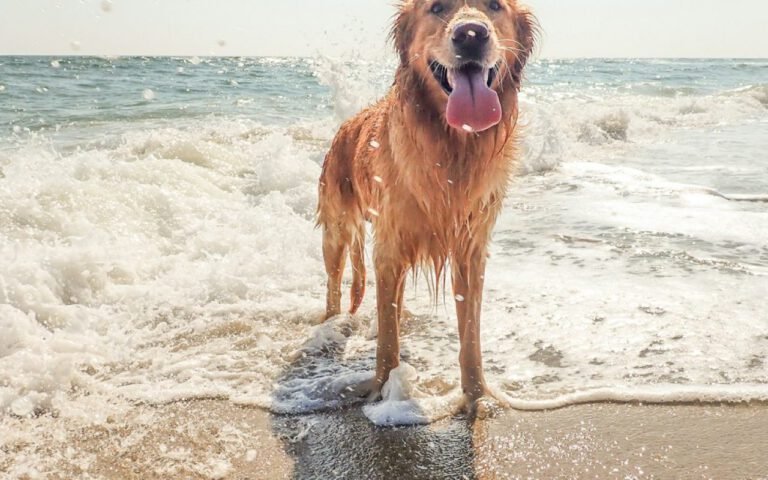 Care & GearThe Best Dog Beaches Are Also the Best-Behaved OnesEtiquette, safety and how to keep sand out of your car (mostly).
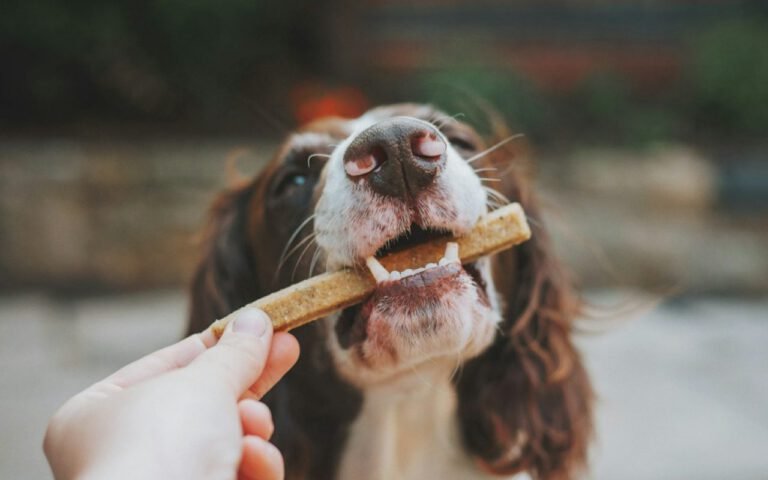 DogsTeaching “Leave It” in Five Short SessionsThe one cue that can keep your dog safe.
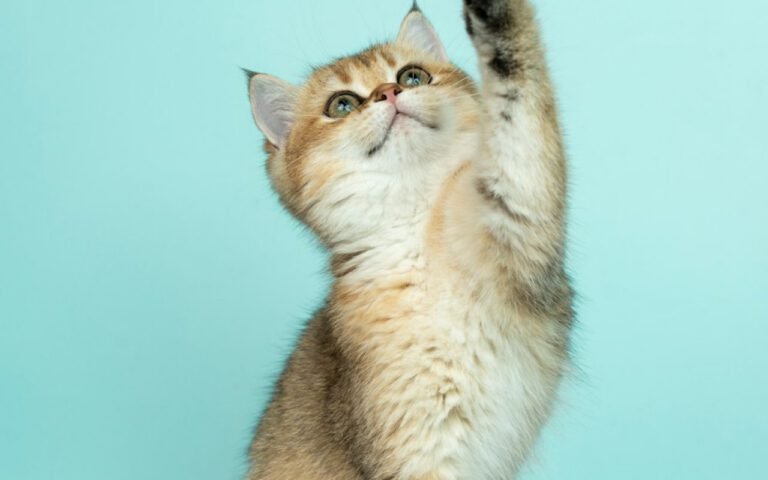 CatsKitten Playtime: Games That Build a Confident CatWand toys, boxes and why hands are not toys.
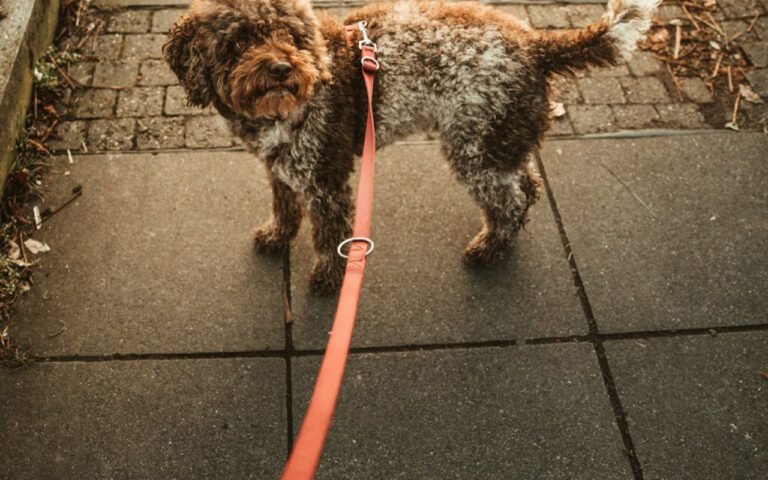 DogsLeash Walking: Turning Pulling Into StrollingStop, turn, reward — and repeat.PuppiesCrate Training Without TearsA cozy den, short steps and lots of treats.
 AdoptionAdopting From a Shelter: What to Ask Before You CommitQuestions that help you find the right match.
Thanks for explaining this so clearly.
Great reporting — please keep following this story.