Shooting a Documentary in Twelve Days
A small crew, a big story and very little sleep.
 Theo Grant6 min read

Theo Grant
Theo has visited more than 300 houses for the magazine and still gets excited about a good window seat.



Our latest short documentary was shot in twelve days with a crew of four (a fictional project for this demo). Twelve days to follow a family-run boatyard on the Maine coast through the last busy stretch of the season, before the yard closed for winter and the owner’s daughter decided whether to take it over. Twelve days, one van, two cameras and a lot of coffee. Here’s how we did it without losing the story, or our minds.
I want to be honest from the start: twelve days is not a lot of time for a documentary. Most of the films I admire were shot over months or years. But budgets are real, schedules are real and sometimes a story only exists for a short window. When that happens, you have a choice. You can wait for perfect conditions that will never arrive, or you can go with what you have and make it count. We went.
Planning for the unplannable
Documentary planning is a strange exercise, because you are preparing for events you cannot control. We spent three weeks before the shoot talking with the family on the phone, learning the rhythm of the yard and building a loose calendar of what was likely to happen: boats being hauled out, a final repair on an old lobster boat, a farewell dinner for the summer workers. None of those were guaranteed. All of them gave us something to aim for.
We also wrote what I call a story map, a single page with the questions we hoped the film would answer. Will Hannah take over the yard? What does her father want, and what is he afraid to say? What does the place mean to the town? A story map is not a script. It is a compass. When you are exhausted on day nine and something unexpected happens, it helps you decide in seconds whether to roll.
What we packed
Traveling light was a rule, not a preference. Everything had to fit in one van and be carried by four people across wet docks. Our kit list looked roughly like this:
- Two matching cinema cameras, so footage would cut together easily
- Three lenses each, mostly fast primes for low light
- One shotgun microphone, two wireless lavaliers and a small recorder
- A single LED panel and a reflector for interviews
- Rain covers for everything, because it was Maine in October
- Enough drives to back up every card twice, every night
Small crew, big trust
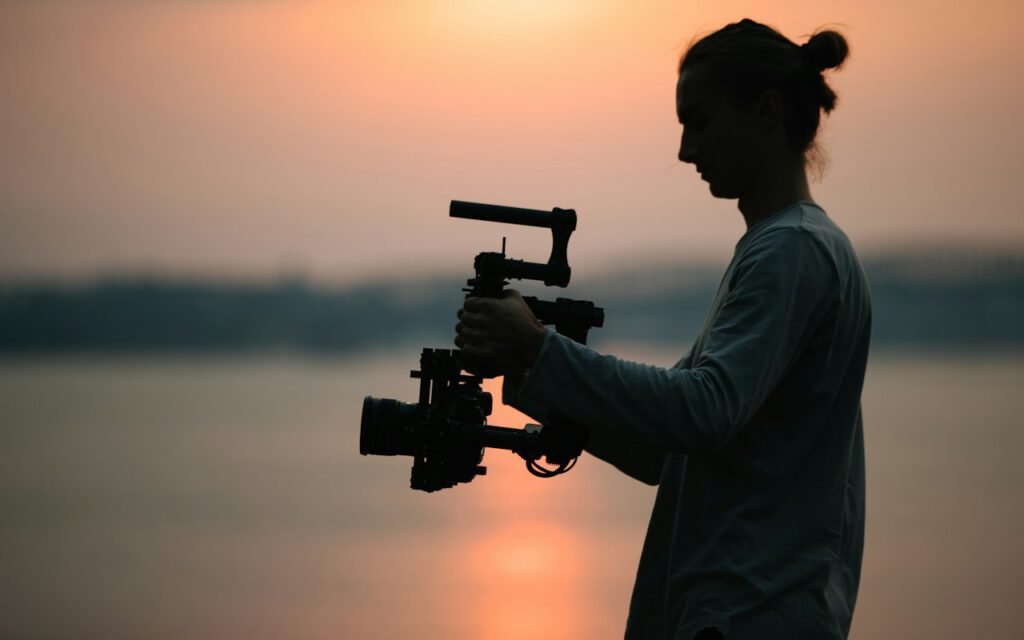
Four people can move fast and blend in. Subjects relax when the room isn’t full. Our crew was me directing and operating the second camera, a cinematographer, a sound recordist and a producer who handled logistics, releases, food and about a hundred other things. Every person had a clear role, and everyone was also ready to carry a bag, hold a door or make a sandwich when needed.
The size of the crew changed how the family treated us. On the first day, they were polite and careful. By the third, they were teasing our sound recordist about her rain boots. By the fifth, Hannah’s father forgot we were there during an argument about the yard’s future, and that scene became the emotional center of the film. You cannot get moments like that with fifteen people and a lighting truck parked outside.
Documentary is the art of being ready.
Theo Grant, director
Trust also works inside the crew. On a twelve-day shoot there is no time for long meetings. Our cinematographer often made framing decisions on her own while I was talking with the family, and I trusted those choices completely. That trust came from working together on earlier projects and from a short conversation before the shoot about the look we wanted: patient, observational, close but never intrusive.
Follow, don’t direct
In documentary, the best scenes happen when you stop trying to make them happen. That was the hardest lesson for me as someone who also directs commercials, where every second is planned. On this film, my job was not to stage moments. It was to notice them early and make sure we were in the right place with the camera rolling.
Practically, that meant a few simple habits. We kept the cameras on our shoulders, not in their cases. We left the van with batteries charged and cards formatted, even for what looked like a quiet morning. And we listened. Many of our best scenes started with someone mentioning, almost in passing, that they were “going to check on the old boat” or “calling the bank later”. Those small sentences were our cue to follow.
The interviews
We saved formal sit-down interviews for the final three days. By then, the family knew us, and we knew which questions mattered. We kept the setup simple: one camera, one light, a quiet corner of the workshop with the sea faintly visible through a window. I asked short, open questions and then stayed silent for longer than felt comfortable. Some of the most honest answers came after a long pause, when people decided to say the thing they had been holding back.

Surviving twelve days
Fast shoots fail for practical reasons more often than creative ones. People get sick, gear gets wet, drives fill up and tempers fray. We built a few rules to protect the crew and the footage:
- Back up every night. Two copies on separate drives before anyone went to bed.
- Eat real meals. Our producer booked a local diner for dinner, so we sat down together daily.
- Cap the day. No more than eleven hours on the clock, unless something truly unrepeatable was happening.
- Log as you go. Each evening, I wrote a short list of the strongest moments while they were fresh.
- Take one half day. On day seven, we slept in. It made the second week far better.
That half day felt risky at the time. What if something important happened while we rested? But tired crews miss things, make mistakes and lose patience with the people they are filming. Resting was not a luxury. It was part of the plan.
Key takeaway: on a short documentary, protecting your crew’s energy is as important as protecting your footage.
From footage to film
We came home with just over forty hours of material. The nightly notes saved weeks in the edit, because I already knew where the strongest moments were. The structure followed the season itself: the busy days of hauling boats, the slow quiet as the yard emptied and the final evening when Hannah made her decision. We cut the first assembly in three weeks and spent another four refining it, with color and sound finishing after that.

Twelve days taught me that time pressure is not always the enemy of good documentary. It forces you to focus, to trust your crew and to stay alert. The story was there all along. Our job was to be ready when it showed up, and to be kind to each other while we waited. If you are planning your own short shoot, keep the crew small, the kit light and the camera close. The moments will come.
Theo Grant
Theo has visited more than 300 houses for the magazine and still gets excited about a good window seat.

2 Comments
Thanks for explaining this so clearly.
Great reporting — please keep following this story.