 Theo Grant6 min read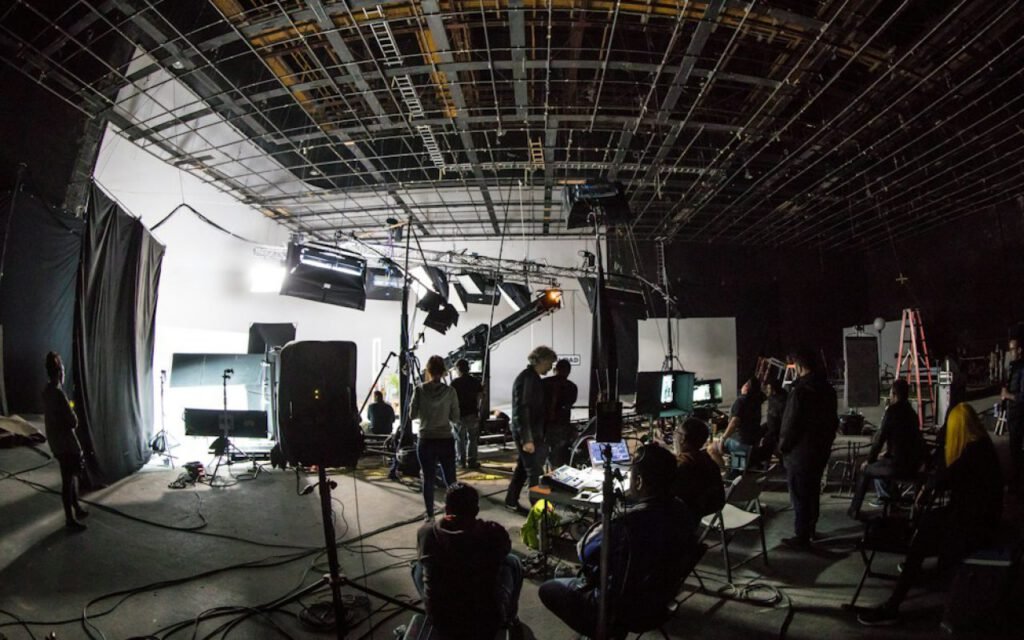
People imagine sets are glamorous. Mostly they’re early mornings and careful planning. Friends ask me what it is like to direct, and they picture director’s chairs, famous faces and someone shouting “action” through a megaphone. The truth is quieter, colder and a lot more about coffee. A typical shoot day is a long, carefully organized puzzle, with dozens of people working together to capture a few minutes of usable film. Here’s a real day, hour by hour.
This particular day was from a fictional two-day commercial shoot in a small coastal town outside San Diego. We were filming a family on a beach walk at sunrise and a backyard dinner scene in the afternoon. Twenty-four crew members, five actors, two locations and one very unpredictable sky. It was a good day, and like most good days on set, it did not go exactly to plan.
Before the day begins
Every shoot day really starts the evening before, when the call sheet goes out. The call sheet is the bible of the day: call times for each department, locations, parking, weather, nearest hospital, scene order and contact numbers. Our second assistant director sent it at 7 p.m., and I read it twice before bed, once for the schedule and once for anything that might go wrong.
The call sheet also tells you how many people it takes to make a few minutes of film. Ours listed a producer, a first and second assistant director, a cinematographer with two camera assistants, a gaffer and three electricians, a key grip and two grips, a production designer with a props master and set dresser, a costume designer, a hair and makeup artist, a sound mixer and boom operator, a script supervisor, a location manager and several production assistants. Every one of those roles exists because, at some point in film history, a shoot went badly without it. When people ask why commercials cost what they do, I show them a call sheet.
I also spend the night before reviewing my shot list and storyboards one last time. By then, most decisions are made. What I am really doing is visualizing the day so that, tomorrow, I can make fast choices when things change. Something always changes.
4:30 a.m. to 6:00 a.m.
On sunrise shoots, the camera and lighting teams arrive first, often in total darkness. By the time I pulled into the beach parking lot at 5:15, our grip team was already unloading carts, the camera assistants were building the camera on a folding table and the art department was carefully placing a few pieces of driftwood near our first frame.
Crew call for everyone else was at 6:00 a.m. Coffee, breakfast and a safety talk before anything moves. The safety talk is not a formality. Our first assistant director walked everyone through the risks of the day: incoming tide times, uneven sand, cables near the parking lot and the location of the first aid kit. Then we were ready.

6:30 a.m. to noon
Sunrise gave us about forty minutes of perfect light, and every minute was planned. We had rehearsed the family’s walk the evening before, so the actors knew their path, the camera team knew their moves and the grips knew where to stand to stay out of frame. We shot the wide shots first, while the sky was at its best, then moved closer for the details as the light grew stronger.
Filmmaking is ninety percent preparation and ten percent luck.
Theo Grant, director
By 9:00 a.m., the sun was too high for the soft look we wanted, so we switched to smaller close-up scenes under a large overhead diffusion frame that softened the light. Shells being picked up, a child’s hand reaching for her father’s, footprints filling with water. These small shots often end up being some of the most important in the edit, and the morning flew by.
What a director actually does all morning
- Talks with actors before each setup about the moment, not just the movement
- Checks every frame with the cinematographer on the monitor
- Decides when a take is good enough, and when to try once more
- Listens to the first assistant director about time and adjusts the plan
- Answers dozens of quick questions from every department
Noon to 1:00 p.m.
Lunch is a sacred hour on set. Union rules and common sense both say crews need a proper break, and on our shoots everyone eats together, from the producer to the newest production assistant. We drove the short distance to our second location, a family home with a big backyard, and ate under a tent the caterer had set up. Conversations at lunch are often where problems get solved: the gaffer mentioned a lighting idea for the dinner scene, and the props master asked whether we wanted real or fake food on the table. Real, I said. It always looks better.
2:00 p.m.
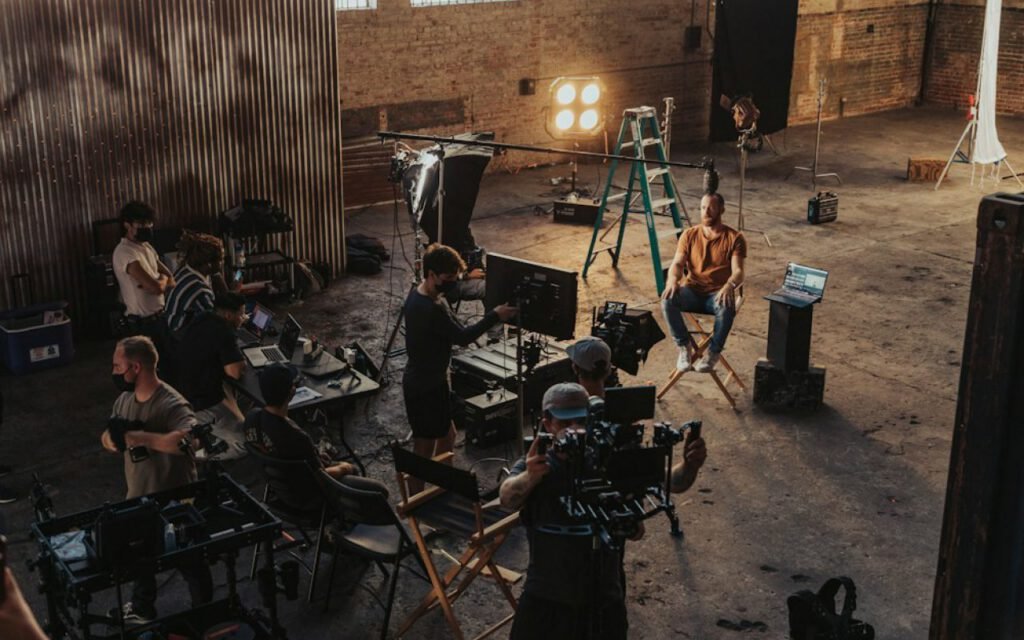
We wait for clouds to pass. Everyone stares at the sky like it owes them money. The backyard scene was designed around soft, golden late-afternoon light, but a thick bank of clouds rolled in from the ocean just as we were ready. Our cinematographer checked a weather app every few minutes, the gaffer prepared backup lights and the actors sat patiently in the shade.
Waiting is a huge part of filmmaking that nobody talks about. Waiting for light, for planes to pass, for a neighbor’s lawnmower to stop, for a reset after a spilled glass. Good crews use the time well. We rehearsed the dinner dialogue with the actors, adjusted the table dressing and grabbed a few extra cutaway shots that did not depend on the sun.
Our cloud plan
- Rehearse with the actors so the scene is ready the moment light returns.
- Shoot detail inserts that work in any light.
- Set backup lighting so we can fake warm sun if needed.
- Agree on a deadline; after that, we commit to the backup plan.
4:00 p.m. to wrap
At 4:20, the clouds broke and golden light poured across the yard. Everyone moved at once. We shot the full dinner scene in a little over an hour, with the family laughing, passing dishes and toasting the camera. The actors had been waiting all afternoon, and their energy was wonderful. Sometimes the wait makes the moment better.
We called wrap at 6:45 p.m. Wrap is not the end of the day for the crew. Lights come down, cables are coiled, the art department restores the house to exactly how we found it and the camera team backs up every card. I usually stay for a while, thanking people and making sure the location owners are happy. The last trucks pulled away around 8:00 p.m.

Key takeaway: a successful day on set is built the night before, protected by good people and rescued, when needed, by patience.
Why I love it anyway
Call times, coffee and waiting for the light: that is most of what a day on set looks like. It is not glamorous, but it is deeply satisfying. Dozens of skilled people come together, solve problems in real time and leave with something none of them could have made alone. When I watched that sunset dinner scene in the edit a week later, I did not think about the clouds or the long hours. I thought about the crew, and how lucky I am to do this work with them.

Theo Grant
Theo has visited more than 300 houses for the magazine and still gets excited about a good window seat.



Theo Grant
Theo has visited more than 300 houses for the magazine and still gets excited about a good window seat.




2 Comments
Thanks for explaining this so clearly.
Great reporting — please keep following this story.