
Theo Grant
Theo has visited more than 300 houses for the magazine and still gets excited about a good window seat.


Audiences forgive average pictures. They never forgive bad sound. You can watch a slightly soft, poorly lit film and still be moved by it, as long as you can hear every word clearly and the world around the characters feels real. But the moment dialogue becomes muddy, the wind roars through the microphone or the room echoes like an empty gym, people stop watching and start reaching for the remote. That’s why audio is the first line in every budget I write.
When I started directing, I made the same mistake many young filmmakers make. I spent nearly everything on cameras and lenses and recorded sound with whatever microphone was left in the bag. The images looked great. The films were almost unwatchable. It took a few painful screenings, watching audiences lean forward and squint at the screen as though that would help them hear, before I understood that sound is not a technical detail. It is half the experience.
Why sound matters so much
Sound works on the audience in ways they rarely notice. A low hum in a hospital corridor creates unease. Distant traffic and birdsong make a backyard feel alive. A sudden silence after a loud scene can be more powerful than any music cue. Our eyes focus on whatever is in the frame, but our ears take in the whole world around it. When that world sounds right, the audience believes the film without knowing why.
Dialogue is the most important part of that world. If the audience has to work to understand what characters are saying, they stop feeling and start decoding. Clear, natural dialogue is the foundation everything else is built on: the music, the effects and the atmosphere all sit around it.
Hire a sound mixer
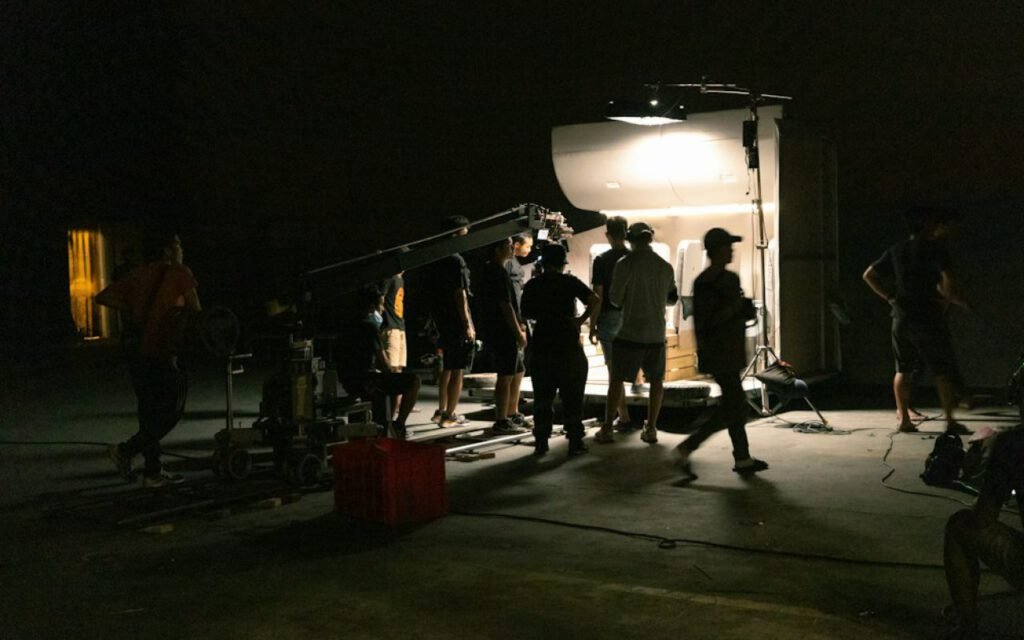
A great sound mixer is the best investment on any shoot. I say this to every producer I work with, and I mean it. A skilled production sound mixer does far more than press record. They choose the right microphones for each scene, place them where they will capture clean dialogue, monitor levels constantly and flag problems the rest of us cannot hear: a refrigerator buzzing two rooms away, a fluorescent light humming or a plane approaching from miles off.
Equally important is the boom operator, who holds the microphone just outside the frame and follows the actors as they move. It is physically demanding work that requires real skill and concentration. A good boom operator anticipates every line, every turn of the head and every camera move.
What I ask of my sound team
- Visit locations during scouting to listen for problems before we commit
- Combine boom and wireless microphones for every dialogue scene
- Keep detailed sound reports so the editor can find the best tracks
- Speak up immediately when a take is compromised, even if the picture is perfect
- Record wild lines and effects whenever there is a spare moment
That fourth point is important. A director has to create a set where the sound mixer feels comfortable asking for another take. If the mixer is afraid to speak up, problems slip through, and they become far more expensive to fix later in post-production with re-recorded dialogue.
Record room tone
Thirty seconds of silence on every location saves hours in the edit. Room tone is the natural background sound of a space when no one is talking: the faint air of an apartment, the hum of a café, the soft wind of an open field. Every location sounds slightly different, and that sound is present under every line of dialogue.
Close your eyes during a film. If it still works, the sound is right.
Theo Grant, director
When an editor cuts between takes, they often need to fill small gaps, remove a cough or smooth out a transition. Without clean room tone, those fixes sound like holes in the world, sudden dead spots that audiences feel even if they cannot name them. With room tone, the editor and sound designer can patch the gaps invisibly.
How we record it
On my sets, we record room tone at the end of each setup, before anyone moves the lights. The first assistant director calls for quiet, everyone freezes where they are and the mixer records thirty to sixty seconds. It feels strange the first time, a room full of people standing perfectly still, but crews quickly get used to it. It is one of the cheapest and most valuable things we do all day.
Sound in post-production
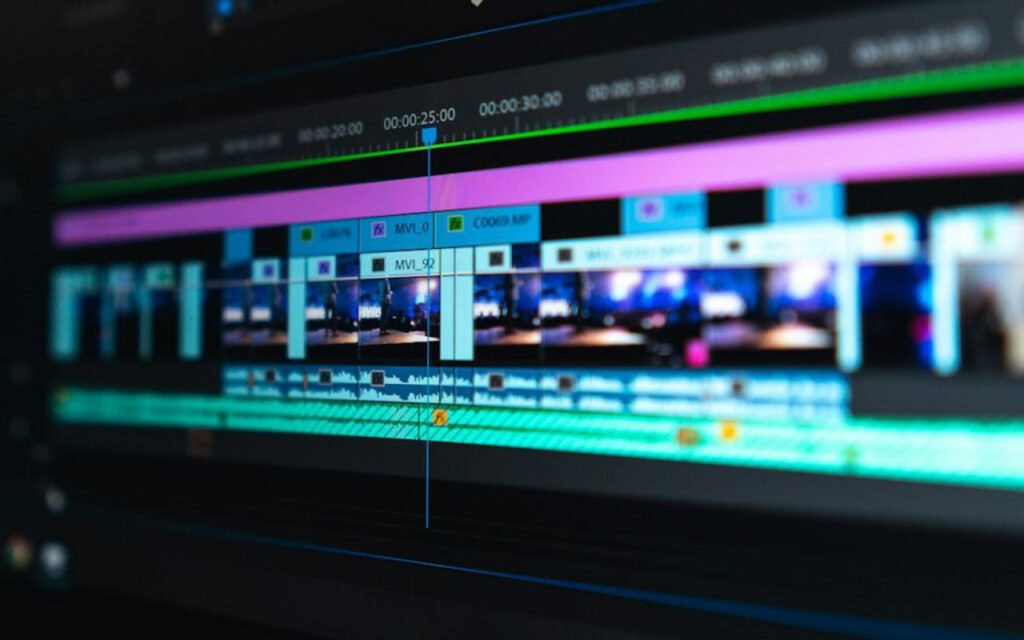
Recording clean sound on set is only the beginning. In post-production, a sound team turns those recordings into a complete soundtrack. The process usually follows a few clear stages:
- Dialogue editing. Choosing the best takes, cleaning noise and smoothing transitions.
- Sound effects. Adding footsteps, doors, cars and countless small details.
- Foley. Performing everyday sounds in a studio, from rustling clothes to clinking cups.
- Atmosphere. Building the background world of each scene.
- Music. Placing score and songs so they support rather than bury the dialogue.
- Final mix. Balancing everything for cinema, streaming or broadcast.
The final mix is where the film comes alive. I always try to attend in person. Hearing the film in a proper mixing room, with every detail placed carefully in space, is one of the most exciting moments of the whole process. It is often the first time the film feels truly finished.
Key takeaway: great sound starts on set and is finished in post. Skimp on either, and the audience will notice.
Budgeting for audio
When I build a budget, I start with sound and work outward. That means a professional mixer and boom operator for every shoot day, good microphones, time for a full post-production sound edit and a proper mix. On commercials and music videos, I also make sure there is room for licensed music or an original score, and for clean versions of the track for different deliveries.
Producers sometimes push back. They want to know why sound deserves so much when the client is paying for pictures. My answer is always the same: the pictures will only work if people stay to watch them, and people only stay if they can hear. I would rather shoot with a simpler camera package and a great sound team than the other way around, every single time.
Tips for low-budget filmmakers
If you are working with almost no money, you can still protect your sound. Choose quiet locations, even if they are less beautiful. Turn off refrigerators, air conditioners and fans during takes, and put your car keys inside the fridge so you never forget to turn it back on. Get the microphone as close to the actor as possible. And always, always record room tone. These habits cost nothing and make an enormous difference.
It also helps to listen back at the end of every day. Put on good headphones, pick a few takes at random and play them through. It is far easier to schedule a short pickup the next morning than to discover, weeks later in the edit, that a whole scene was ruined by a buzzing light nobody noticed. That nightly listen takes ten minutes and has saved more than one of my films.
Listen first
Sound is half the picture, and sometimes more than half. It carries the dialogue, builds the world and shapes how the audience feels in every moment. Treat it as a creative partner from the very first day of planning, not as something to fix later. Hire a great mixer, record your room tone and give your sound team the time and respect they deserve. Then close your eyes at the final mix and listen. If the film still works in the dark, you have done your job.
Theo Grant
Theo has visited more than 300 houses for the magazine and still gets excited about a good window seat.