 Theo Grant6 min read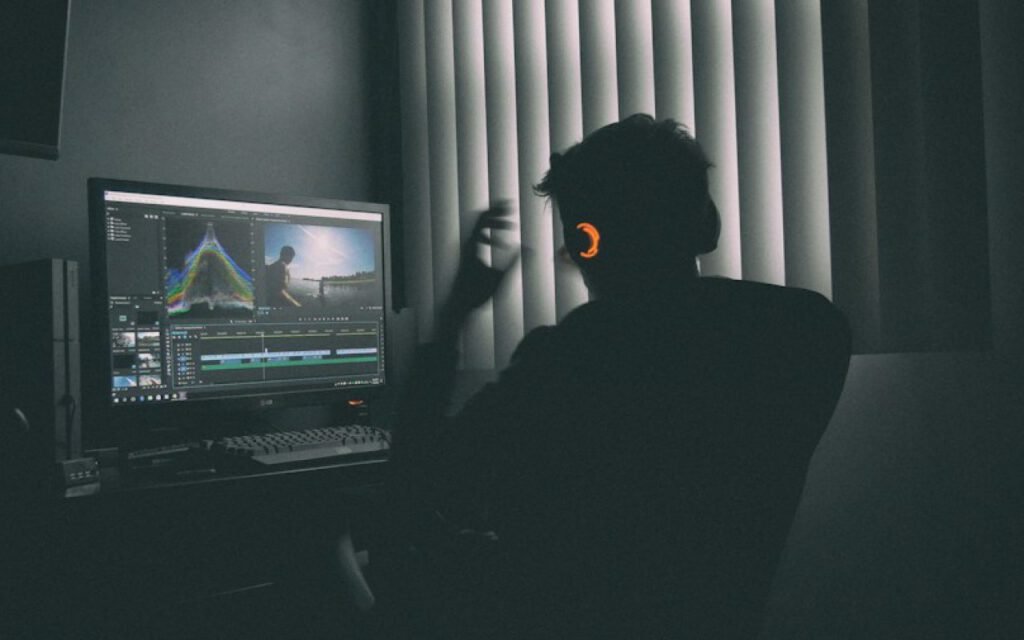
I used to think the film was made on set. Now I know it’s rewritten in the edit. Early in my career, I would walk into the edit suite with a shot list in my head and a stubborn belief that the story I had planned was the story we had captured. It rarely was. The footage always had its own ideas. Learning to listen to it, instead of forcing it to match my plans, changed everything about how I work. Here’s how I approach the first cut.
Editing is often described as the final rewrite of a film, and I think that is exactly right. The script is the first draft, the shoot is the second and the edit is where you discover what the film actually wants to be. Sometimes that means a scene you loved on paper disappears. Sometimes a throwaway moment between takes becomes the ending. The work is humbling, and it is also the most creative part of the whole process.
Watch everything once
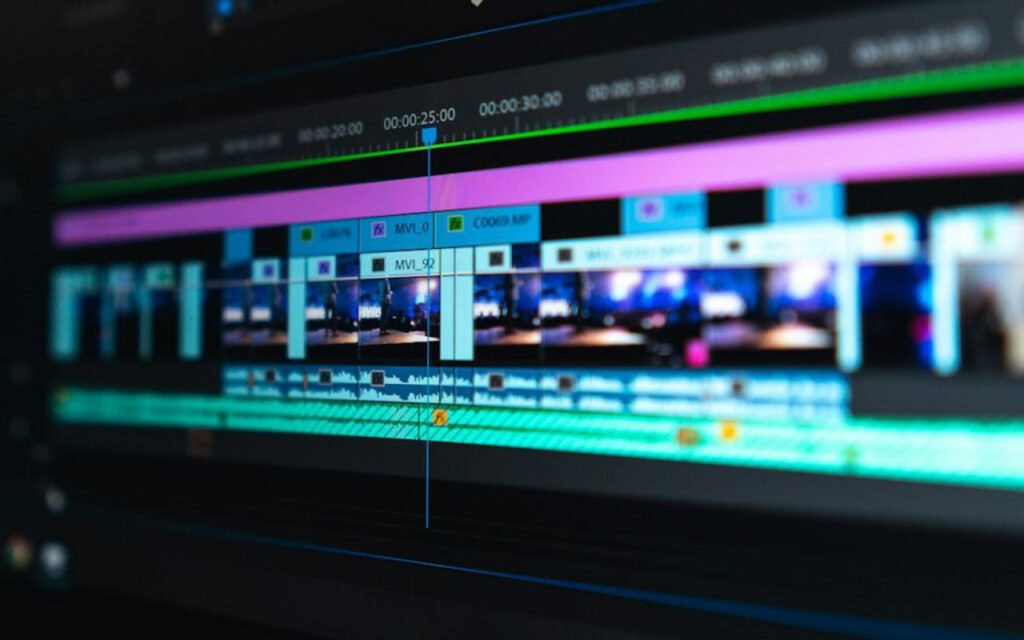
Before cutting a frame, I watch all the footage and write down moments that move me. Every take, every angle, every bit of b-roll. On a short film, that might be ten or twelve hours. On a documentary, it can be forty or more, spread across several days. It is slow, sometimes tedious and absolutely essential.
The notes I take are simple: a timecode and a few words about what I felt. “Laugh after the line, real.” “Her hands shaking on the cup.” “Light changes, beautiful, no dialogue.” I am not judging technical quality yet. I am looking for emotion. Those notes become a map of the film’s heart, and I come back to them again and again as the cut evolves.
Why I watch alone
I do this first viewing alone, without the producer or the cinematographer in the room. Not because their opinions don’t matter, but because I want my first reactions to be honest. When someone else is watching, it is easy to start defending choices or explaining what we meant. Alone, I just respond. Later, I invite others in and compare notes, and the moments that moved all of us almost always end up in the film.
Find the spine
After watching everything, I write one sentence that describes what the film is really about. Not the plot, but the core. For a recent fictional short about a retired jazz musician in New Orleans, the sentence became: “A man learns that letting go of music does not mean letting go of himself.” Every scene in the cut had to serve that sentence or support it in some way.
That one sentence is the spine of the edit. It is the tool I use to make hard decisions quickly. When a scene feels uncertain, I ask whether it moves the spine forward, deepens it or distracts from it. If it distracts, it is in trouble, no matter how much it cost to shoot.
My first-cut process
- Watch everything and take notes. Timecodes and feelings, nothing else.
- Write the spine. One sentence about what the film is truly about.
- Build an assembly. All the scenes in script order, loose and long.
- Cut for structure. Move, remove and combine scenes until the story flows.
- Cut for rhythm. Tighten individual moments, trims and transitions.
- Rest and rewatch. Take at least a day away before judging the cut.
Cut for feeling
If a scene is beautiful but doesn’t move the story, it goes. This is the rule I break most often, and the one I regret breaking every time. A gorgeous wide shot of the city at dawn, a perfectly lit close-up, a crane move we spent half a day setting up: none of that matters if the audience is waiting for the story to continue.
Kill your darlings. Then go to bed. Then kill one more.
Theo Grant, director
Cutting for feeling means paying attention to what the audience experiences moment by moment, rather than what I know about the scene. I know how hard a shot was to get. The audience does not, and they should not have to care. They only feel whether the film is alive or stuck. When I watch my own cuts, I try to notice where my attention drifts. That drift is usually the most honest feedback I will ever get.
Performance over perfection
Another rule I follow: when choosing between takes, performance wins over technical perfection. A take with a small focus buzz but a truly honest reaction is almost always better than a perfectly sharp take where the actor feels slightly rehearsed. Audiences forgive small technical flaws. They do not forgive false emotion.

Rhythm and silence
Once the structure works, I move on to rhythm. This is where editing starts to feel like music. Each scene has its own tempo, and the film as a whole needs variation: fast moments and slow ones, loud and quiet, tension and release. A film that moves at the same speed throughout feels flat, even if every individual scene is good.
Silence is one of my favorite tools. Holding on a face for two extra seconds after a line can say more than a page of dialogue. Leaving a moment without music gives the audience room to feel something on their own. Many first cuts are too busy, stuffed with cuts and score and information. Some of my best editing sessions are about removing things and letting the film breathe.
Key takeaway: structure first, rhythm second, polish last. Trying to perfect individual moments before the story works wastes days.
Showing the cut
When the cut feels close, I show it to a small group of people who were not involved in the production. Friends, other filmmakers, sometimes a family member who rarely watches short films. I don’t explain anything beforehand. Afterward, I ask a few simple questions:
- Where did you feel most involved?
- Where did your mind wander?
- Was anything confusing?
- What do you remember most clearly?
Their answers are rarely about technique. They are about feeling. If three people say their mind wandered in the same place, I know that section needs work, even if I personally love it. If everyone remembers the same small moment, I know I have found something worth protecting.
The film you actually have
The story you shot isn’t always the story you have, and that is not a failure. It is the nature of filmmaking. Plans meet reality, actors bring surprises, weather changes everything and the footage reveals truths nobody expected. The edit is where you stop fighting that and start working with it.
If you are editing your own work, be patient with yourself. Watch everything, find the spine, cut for feeling and be brave enough to lose the shots you love. Then go to bed, wake up and watch it fresh. The film is in there. Your job is to find it, one honest cut at a time.

Theo Grant
Theo has visited more than 300 houses for the magazine and still gets excited about a good window seat.



Theo Grant
Theo has visited more than 300 houses for the magazine and still gets excited about a good window seat.



Start the conversation