Heat pumps have changed a lot in ten years. Our answer for Denver homes has changed with them. A decade ago, if a family on the Front Range asked us whether a heat pump could carry their house through a January cold snap, we would have smiled politely and quoted them a furnace. Today the honest answer is more interesting, and for a lot of homes it is a clear yes. For others it is “yes, with a backup.” And for a few it is still “not yet.”
Here is how we help families decide. No sales script, no rebate math that falls apart after the first winter, just the questions our comfort advisors ask at the kitchen table before anyone signs anything.
Cold-climate heat pumps
Modern units keep heating efficiently well below freezing, and they cool in summer too. That second part matters more than people expect. Many Denver-area homes were built without central air, and summers along the Front Range keep getting warmer. A heat pump replaces the furnace and adds air conditioning in one box, which is why so many of our customers end up choosing it even when heating was their only original concern.
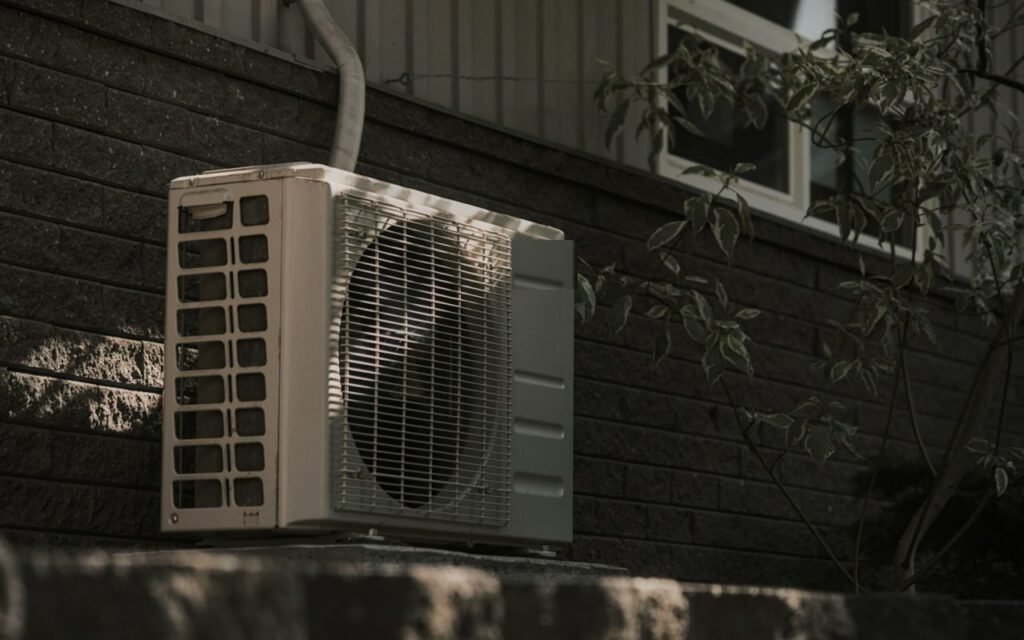
The key word is “cold-climate.” A standard heat pump designed for Georgia or the Carolinas loses a lot of its heating capacity as the outdoor temperature drops into the teens. The newer cold-climate models use variable-speed compressors and better refrigerant management, so they keep producing useful heat at 5°F and, in many cases, well below zero. They do not stop working at a certain temperature; they simply produce less heat and use a bit more electricity per unit of warmth as it gets colder.
What altitude does to the picture
At 6,000 feet the air is thinner, and that affects every piece of HVAC equipment. Gas furnaces need to be derated or set up for altitude so they burn cleanly. Heat pumps move heat with refrigerant rather than combustion, so altitude affects them mainly through fan performance and airflow. A good installer accounts for both. When we size a system in Lakewood, Littleton or Castle Rock, we are not using the same numbers a contractor would use in Kansas City.
Sizing comes before everything
If you take one thing from this article, let it be this: the right size matters more than the brand, the rebate or the efficiency sticker. An oversized system short-cycles, which means it turns on and off constantly, wears out faster and leaves rooms feeling uneven. An undersized system runs all day in a cold snap and still cannot keep up.
The best system is the one sized for your house — not the one with the biggest rebate.
Marcus
Marcus has been running our installation crews for years, and he says some version of that line to almost every family he meets. We do a full room-by-room heat load calculation on every replacement. That means measuring windows, checking insulation in the attic, looking at which way the house faces and asking how warm you actually like it at night. It takes about an hour. It is the most valuable hour of the whole project.
Here is what we look at during that visit:
- Square footage, ceiling height and the number of levels in the home
- Attic insulation depth and the condition of the ductwork
- Window type, age and how much sun each side of the house gets
- Air leaks around doors, rim joists and older fireplaces
- Your electric panel capacity and where the outdoor unit can sit
- How you use the house: home office, guest rooms, a finished basement
Those answers decide whether a heat pump alone can do the job, or whether it needs help.
When we still suggest a furnace
Older, drafty homes with big heating loads often do best with a dual-fuel setup: heat pump first, furnace as backup. Think of a 1950s brick ranch in Englewood with original windows, or a big two-story in the foothills with a lot of glass facing north. On the coldest nights of the year, those houses lose heat quickly, and a heat pump sized to cover that peak would be oversized for the other 340 days.
A dual-fuel system solves that. The heat pump handles heating and cooling for most of the year. When the outdoor temperature drops below a set point, usually somewhere in the teens or low twenties depending on your utility rates, the thermostat hands off to a gas furnace. You get efficient heating most of the time and strong, fast heat when you need it most.

When a furnace alone still makes sense
We will also tell you when a simple furnace replacement is the smarter move. If your furnace is the only thing that failed, your air conditioner is only a few years old and you plan to move in two or three years, replacing the furnace by itself is often the most sensible spend. A heat pump is a long-term decision, and it pays off best for families who plan to stay.
Running costs and comfort
Families usually ask two questions next: what will it cost to run, and will it feel as warm? The cost answer depends on your local gas and electric rates, how well the house is sealed and how you set the thermostat. We run the numbers for your specific home using your past utility bills, and we show you a range rather than one perfect figure. Anyone who promises an exact savings number before seeing your house is guessing.
The comfort answer surprises people. A furnace blasts hot air in short bursts, so the house swings a degree or two above and below your set point. A variable-speed heat pump runs longer at a lower output, so the temperature stays steady and the air feels more even from room to room. The air coming out of the vents is not as hot as furnace air, and some people notice that at first. Most stop noticing within a week.
Key takeaway: a well-sized heat pump feels different from a furnace, not worse. Steadier, quieter and more even, with cooling built in.
A few practical notes we share with every family:
- Set the thermostat and leave it. Big nightly setbacks make a heat pump work harder in the morning.
- Keep the outdoor unit clear of snow, ice and fallen branches.
- Expect a short defrost cycle on frosty days. A little steam from the outdoor unit is normal.
- Ask about utility and federal incentives, but let sizing drive the decision, not the incentive.

Our honest recommendation
For most Denver-area homes built or updated in the last thirty years, with decent insulation and reasonable windows, a cold-climate heat pump is now our first recommendation. It heats, it cools and it does both quietly. For older homes with high heating loads, we usually suggest dual fuel so you never have to worry on the coldest night of the year. And for families with a short timeline or a newer air conditioner, a straightforward furnace replacement can still be the right call.
What we will not do is push a system because it is popular or because the incentive is large this month. Every house on the Front Range is different, and every family uses their home differently. The right answer starts with a real look at your house.
If you are weighing the decision this season, book a free comfort assessment. One of our advisors will measure, ask questions and walk you through two or three honest options, including the one that costs the least. Then you decide, with real numbers in hand and no pressure from us.