Polls open at 7 a.m. on Town Meeting Day. Here is a plain-language guide to every question on Burlington’s ballot. This year voters will decide on the school budget, a $6 million parks bond and two contested City Council races, along with several smaller items. Turnout in local elections is often low, which means a relatively small number of voters can decide questions that shape schools, parks and neighborhoods for years. Whether you have voted here for decades or are casting your first local ballot, this guide covers what is being decided, what supporters and critics say and how to make sure your vote counts.
When and where to vote
Polls are open from 7 a.m. to 7 p.m. Every registered voter is assigned to a polling place based on their ward. If you are not sure where to go, the city clerk’s office lists polling places by address on its website, and you can also call the office during business hours.
- Same-day registration: Vermont allows eligible residents to register and vote on Election Day at their polling place.
- Early voting: You can vote early in person at City Hall during regular business hours until the day before the election.
- Mail ballots: Ballots mailed to voters can be returned by mail, dropped in the secure box outside City Hall or brought to your polling place by 7 p.m.
- Accessibility: Every polling place is accessible, and an accessible voting machine is available at each location.
The school budget
The proposed budget rises 3.1 percent, mostly for teacher pay and a new reading program. The school board approved the budget in January after several public hearings, and it now goes to voters for final approval.
What it pays for
According to the district, most of the increase covers raises negotiated in the teachers’ contract last year, along with rising health insurance costs. A smaller portion funds the continuation of the reading program that placed tutors in every first- and second-grade classroom this year, after its initial grant funding ends. The budget also includes money for building repairs, school bus service and special education.
What it means for taxpayers
District officials estimate that the budget would raise the school portion of the property tax on a home assessed at $350,000 by about $112 a year, though the final amount depends on state education funding formulas that will not be settled until later this spring. Income-eligible households may qualify for a reduced property tax through the state’s adjustment program.
Supporters, including the teachers’ union and several parent groups, say the budget protects small class sizes and builds on gains in early reading. Some residents who spoke at budget hearings argued that the increase is too steep at a time when many households are struggling with rising costs, and urged the board to look harder at administrative spending.
The parks bond
A $6 million bond would repair playgrounds, pools and two lakeside beaches. If approved, the city would borrow the money and repay it over 20 years through the general fund.
According to the parks department, the bond would pay for:
- Replacing aging equipment and safety surfaces at five neighborhood playgrounds
- Repairing the filtration systems and pool decks at both city pools
- Rebuilding stairs, ramps and restrooms at two lakeside beaches
- Improving accessibility at several park entrances and paths
- Planting shade trees at parks with little cover
City finance officials estimate the bond would cost the owner of a $350,000 home about $38 a year on average over the life of the loan. Supporters say much of the equipment is past its expected life and that waiting will only increase repair costs. Critics say the city should cover repairs through its regular budget rather than borrowing, and some have questioned whether the list includes the right parks.
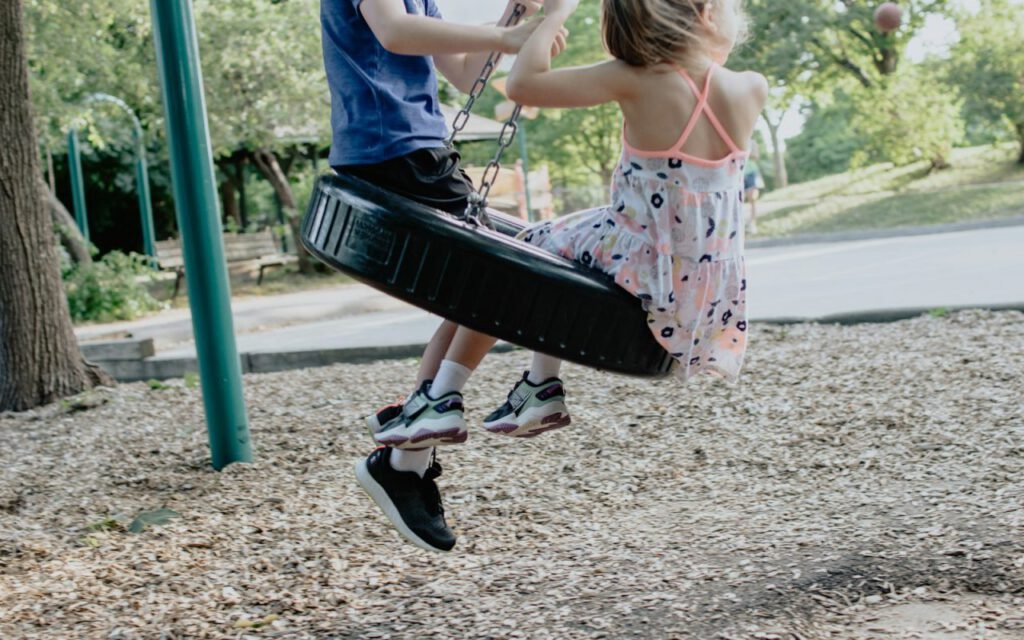
The parks department has said that if the bond fails, it will continue making emergency repairs but will likely have to close some older equipment for safety reasons until money is found. If it passes, design work would begin this summer, with most construction scheduled over the following two years so that pools and beaches stay open during peak season.
How the money questions work
The school budget and the parks bond are separate questions, and voters can approve one, both or neither. A simple majority is needed for each. If the school budget fails, the board must prepare a revised budget and bring it back to voters at a special election, while the district continues operating under temporary spending rules in the meantime.
The council races
Two City Council seats are contested this year. In Ward 2, incumbent Councilor Sam Whitaker faces challenger Maria Lopes, a public health nurse and neighborhood association leader. Whitaker has focused on housing and downtown safety, while Lopes has campaigned on expanding mental health services and improving snow removal on side streets.
In Ward 5, an open seat, Theo Grant, a small business owner, is running against Nadia Kowalski, a former school board member. Both candidates support more housing near transit. Grant has emphasized property tax relief and support for local businesses, while Kowalski has pointed to her experience on school budgets and called for more investment in child care.
All four candidates participated in a public forum last month. A recording is available on the city’s public access channel and its website, and each candidate’s written answers to our questionnaire are posted with this guide.
Other items on the ballot
Voters will also consider an advisory question about renaming a small park in the Old North End and a routine charter change that updates the language around how council vacancies are filled. City staff say neither item carries a direct cost.
Why your vote matters
In recent local elections, turnout has often been far lower than in presidential years, and some council seats have been decided by fewer than 100 votes. That means each ballot carries real weight, especially on budget and bond questions that affect property taxes and services.
Most of our decisions are made by a few thousand voters. Every vote really matters here.
Diane Marsh, city clerk
Marsh said her office has added staff at the busiest polling places this year to keep lines short during the morning and evening rush. She encouraged voters to check their registration ahead of time and to bring a form of identification if they are registering on Election Day, though ID is not required for most registered voters.
Key takeaway: Polls are open 7 a.m. to 7 p.m. You can register and vote on the same day, vote early at City Hall or return a mail ballot by 7 p.m.
Before you go
A few minutes of preparation can make voting quick and easy. Check your polling place, look over a sample ballot on the city clerk’s website and read up on the questions that matter most to you. Results will be posted on the city’s website and on our live results page as wards report on Tuesday evening.
Maple & Main will be at polling places throughout the day and will report results as they come in. If you have questions about voting or encounter a problem at the polls, contact the city clerk’s office, and let our newsroom know as well.
Thanks for explaining this so clearly.
Great reporting — please keep following this story.