Highway 1 through Big Sur is ninety miles long and takes most people a full day, not because of traffic, but because you will stop every ten minutes. There is a pull-off above a hidden cove, then a bridge arching over a canyon, then a waterfall pouring straight onto a beach, then a redwood grove so quiet it feels like a cathedral. Between Carmel and San Simeon, the Santa Lucia Mountains drop straight into the Pacific, and the road clings to the cliffs in between. It is, in our honest opinion, the most beautiful drive in America. Here is how to do it right.
Best time April–May, Sept–Oct · Stay 2 days · Budget $$$
Before you go
Spring and fall are the best seasons. In April and May, the hillsides are green, wildflowers line the road and waterfalls are running. September and October often bring the clearest skies of the year, after the summer fog has faded. Summer is popular but can be foggy along the coast, especially in the mornings, and traffic is heavier. Winter brings storms and the highest chance of road closures.
Fill your gas tank in Carmel or Monterey before you start. There are only a few gas stations along the Big Sur coast, and prices are much higher than in town. Download offline maps and music, since cell service is spotty for most of the drive. Pack snacks, water and layers. It can be warm and sunny in one cove and cold and windy at the next pull-off. A pair of binoculars is worth packing too. Gray whales migrate along this coast in winter and spring, and sea otters often float in the kelp beds just offshore.
Road status
Landslides and storm damage are a regular part of life on this coast. Sections of the highway can be closed for weeks or months at a time, sometimes forcing long detours inland. Always check current road conditions with the state transportation department before your trip, and again the morning you drive.
Check the highway status before you go. Landslides close sections of Highway 1 most winters.
Road-trip writer Nora Feld
Why drive south
Heading south puts you on the ocean side of the road, so every pull-off is a right turn. That small detail makes a big difference. You never have to cross oncoming traffic on a blind curve to reach a viewpoint, and the passenger gets an unobstructed view of the ocean the entire way. Driving north works too, of course, but it is more stressful, and the views are partly blocked by the car’s driver side.
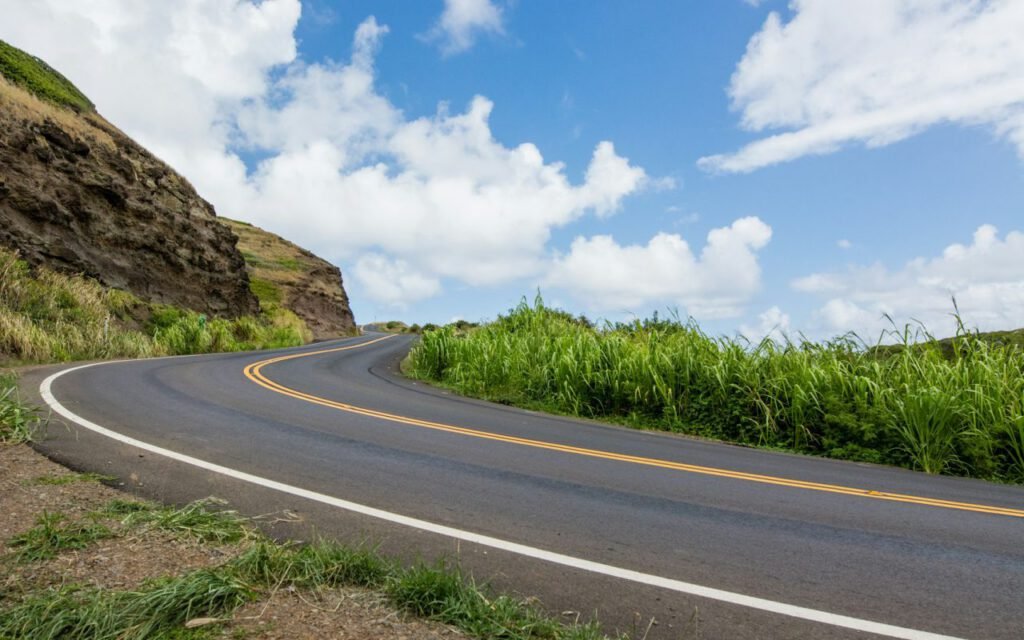
The best plan is to start in Carmel or Monterey in the morning, drive south slowly with plenty of stops and finish in Cambria or San Simeon by evening. If you are coming from San Francisco, spend the night before in Carmel so you can get an early start. From the south end, you can continue down the coast toward Santa Barbara or head inland on a faster highway.
Driving etiquette matters here. The road is narrow and winding, and many drivers want to go slower than others. Use the turnouts to let faster cars pass. Never stop in the road to take photos. Pull completely off the pavement before you get out of the car.
Where to stop
Bixby Bridge, Pfeiffer Beach and McWay Falls are the classics. Garrapata State Park is the quiet alternative. Here is the order you will reach the main stops when driving south from Carmel:
- Point Lobos State Natural Reserve: just south of Carmel, with tide pools, sea otters and cypress-lined trails. Arrive early, since parking fills fast.
- Garrapata State Park: easy coastal trails, wildflowers in spring and far fewer people than the famous stops.
- Bixby Creek Bridge: the iconic arched concrete bridge from 1932. Pull over at the turnout on the north side for the classic view.
- Pfeiffer Big Sur State Park: redwood groves, a short waterfall hike and a good spot to stretch your legs.
- Pfeiffer Beach: reached by a narrow, unsigned road, with purple-tinged sand and a famous rock arch. Check whether the road is open and expect a small fee.
- McWay Falls: in Julia Pfeiffer Burns State Park, an 80-foot waterfall that drops onto a beach. A short, easy trail leads to the overlook.
- Elephant seal rookery: just past the south end of Big Sur near San Simeon, where hundreds of seals lounge on the beach for much of the year.
Two days lets you see all of these without rushing, with time for a hike or two and a long lunch. If you only have one day, pick three or four stops and resist the urge to cram in more.

Where to stay
There are only a few hundred rooms in Big Sur. Book campgrounds six months ahead or stay in Carmel and Cambria. The small inns and lodges along the coast range from rustic cabins to some of the most expensive resorts in California, and nearly all of them fill up on weekends and holidays. If you find a room in Big Sur itself at a price that works, grab it.
Camping is a popular option. State park campgrounds in the redwoods along the Big Sur River are lovely, but they sell out the moment reservations open, often six months in advance. Set a reminder and book as early as you can. A few private campgrounds also operate along the river, and some offer simple cabins.
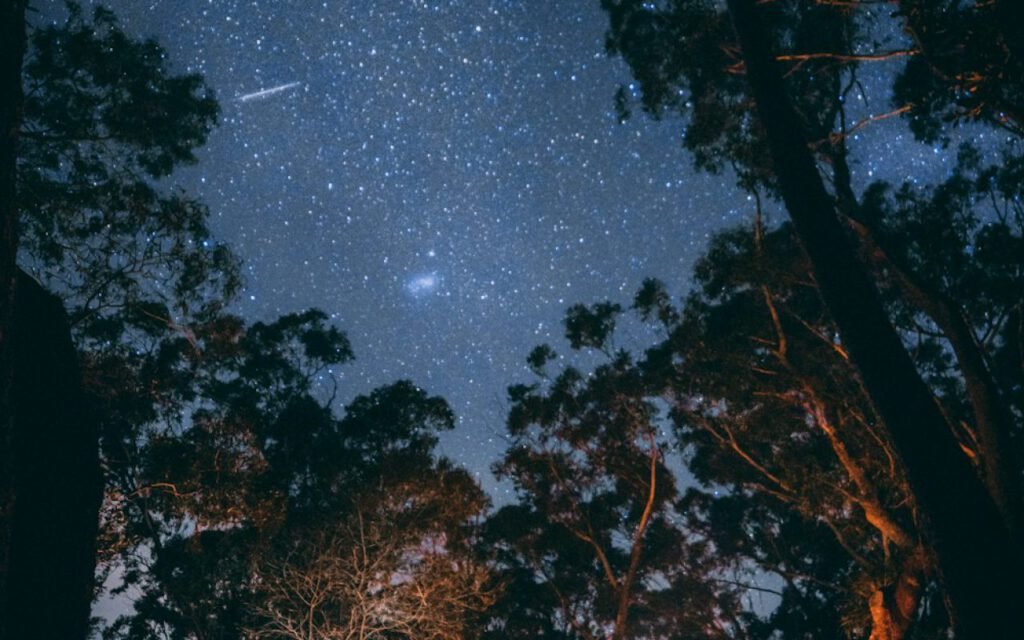
If Big Sur lodging is full or out of budget, base yourself at either end. Carmel-by-the-Sea has charming inns, great restaurants and walkable streets. Cambria, on the south end, is a quiet seaside village with reasonably priced motels and a beautiful boardwalk along the bluffs. Splitting your two nights, one in Carmel and one in Cambria, works perfectly with a north-to-south drive.
Eating along the coast
Food options are limited and often pricey along the Big Sur coast, so plan your meals. Pack a picnic for at least one stop, since many pull-offs and state parks have picnic tables with ocean views. For a sit-down meal, there are a handful of cafés, bakeries and restaurants clustered in the central part of Big Sur, near the river and the state park.
Lunch with a view at Nepenthe is a longtime tradition for many travelers. Its terrace sits high on a cliff, with a sweeping look down the coast. Go early or late to avoid a long wait, and bring a jacket, because the wind can pick up in the afternoon.
Don’t miss
- Bixby Creek Bridge
- McWay Falls in Julia Pfeiffer Burns State Park
- The purple sand at Pfeiffer Beach
- Lunch with a view at Nepenthe
Key takeaway: Check the road status, drive south, start early and give yourself two days. The stops are the trip, not the miles.
Big Sur is not a place to rush. It is a place to pull over, turn off the engine and listen to waves crashing far below. Bring a good jacket, a full tank of gas and plenty of patience, and let the road take as long as it takes. By the time you reach the elephant seals at the south end, you will understand why so many people come back to drive it again.