

 CampingYour First Camping Trip: A No-Stress ChecklistTent, sleep system, kitchen and a backup plan.
Hiking Jesse Lane6 min read
The Ten Essentials for Every Hike
Navigation, light, sun, first aid and more.
Jesse Lane6 min read

Written by
Jesse Lane
Jesse has paddled every lake within 200 miles of home and is working on the rest.
6Articles
2026Writing since
The Ten Essentials are a widely taught list of gear that helps you handle surprises outdoors. The idea is simple: a sprained ankle, a wrong turn or a sudden storm should be an inconvenience, not an emergency. Whether you are walking a three-mile loop in Shenandoah or climbing switchbacks above the tree line in Colorado, the same short list covers the problems that most often turn a good day into a long night. At Basecamp we pack it on every trip, and after years of trail miles we have learned that the kit matters most on the days you least expect to need it.
The list
Navigation, headlamp, sun protection, first aid, knife, fire, shelter, extra food, extra water and extra clothes. That is the whole thing. It has been passed from hiking club to hiking club for decades, and the wording changes a little depending on who is teaching it, but the categories stay the same. Each item answers a question you hope you never have to ask on the trail: Where am I? How do I see? How do I stay warm, fed and hydrated if I am out longer than planned?
It helps to think of the list as systems rather than specific products. You do not need the newest gadget in each category. You need something that solves the problem, that you know how to use, and that actually fits in your pack.
Navigation
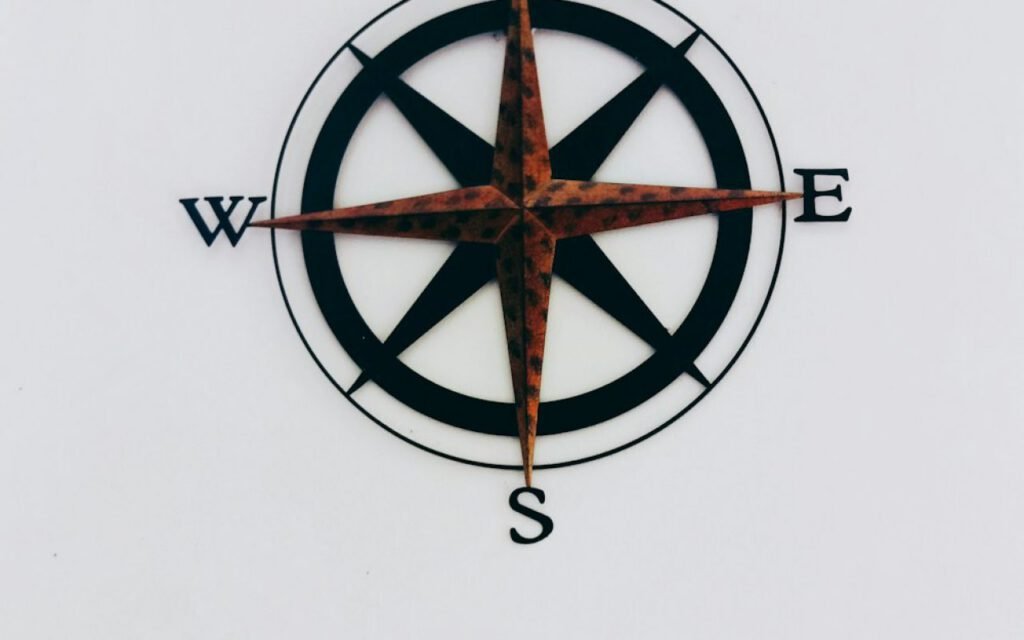
A paper map of the area and a baseplate compass are the foundation. A phone with offline maps and a charged battery is a great addition, but phones die in the cold, lose signal in canyons and break when dropped on granite. Know how to orient a map and take a basic bearing before you count on it.
Headlamp
Even on a morning hike, pack a headlamp with fresh batteries. A slow descent, a long lunch or a wrong fork can push your return past sunset faster than you think, especially in late fall when the light fades by five o’clock.
Sun protection
Sunglasses, sunscreen and a hat with a brim. Sun exposure is stronger at altitude and on snow, and a bad burn or snow-glare headache can make the walk out miserable.
First aid and a knife
A compact first-aid kit should handle blisters, small cuts, splinters and minor sprains. Add any personal medications you need. A small knife or multi-tool handles gear repairs, cutting tape and moleskin, and the dozen small jobs that come up on any trip.
Fire and shelter
Waterproof matches or a lighter plus a little fire starter can make a cold, wet wait much safer. An emergency shelter can be as small as a reflective bivy sack or a lightweight tarp. It weighs only a few ounces and gives you a way to stay dry and out of the wind if you are stuck waiting for help.
Extra food, water and clothes
Carry at least one extra day’s worth of simple food, such as bars, nuts or jerky, more water than you think you need (or a way to treat it), and one more layer than the forecast calls for. A warm hat and a rain shell take up very little room and solve a surprising number of problems.
The day you leave the essentials at home is the day you’ll need them.
Cal Brooks, outdoor guide (fictional)
Scale it
Short hikes still deserve a small kit. The mistake we see most often is the belief that the list only applies to big days in the backcountry. In reality, many of the calls that rescue teams answer involve hikers on short, popular trails who simply stayed out longer than they planned. A two-hour loop becomes a five-hour ordeal with one twisted ankle.
The good news is that the essentials scale. On a short summer walk near town, your kit might be a small pouch: a mini first-aid kit, a headlamp, a lighter, an emergency blanket, a snack and an extra bottle of water, plus a light jacket tied around your waist. On a long day in the mountains, the same categories grow: a fuller first-aid kit, a proper insulated layer, a water filter, more food and a printed map of the whole range.
- Quick local loop: pocket-size first aid, headlamp, sunscreen, lighter, emergency blanket, snack, one extra liter of water.
- Full day hike: everything above plus a paper map, compass, rain shell, warm hat, insulated layer and a water filter.
- Winter or high country: add a larger shelter, spare gloves, extra headlamp batteries kept warm in an inside pocket, and more calories.
Keeping a pre-packed essentials bag by the door makes it easy. When you head out, you grab the bag and adjust it for the day rather than building a kit from scratch every time.
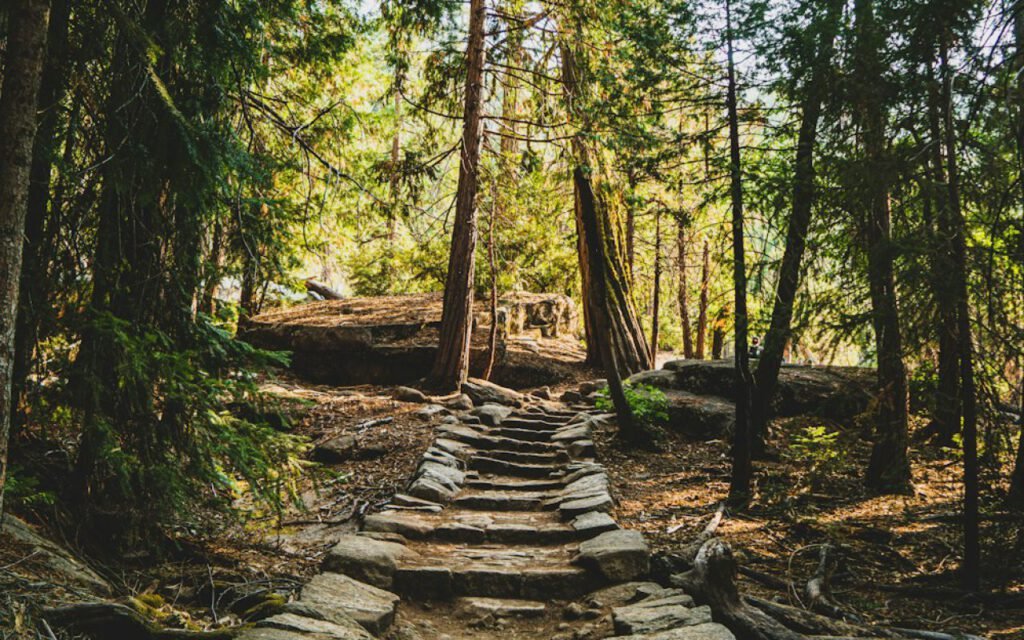
Never skip
If you are trimming weight for a fast summer hike, some items can shrink. These four we never leave behind, no matter how short the walk looks on the map:
- Map & compass
- Headlamp
- First-aid kit
- Extra water and food
Navigation keeps you from getting lost in the first place. A headlamp turns a dark descent from dangerous to merely slow. First aid handles the small injuries that become big ones when ignored. Extra water and food keep your judgment sharp, and good judgment is the real piece of safety gear on any hike.
Key takeaway: the list is less about gear and more about margin. Each item buys you time and options when the day does not go to plan.
Know how to use it
Carrying the essentials is only half the job. The other half is practice. A compass you have never used is just a nice-looking object in your pocket. Before your next trip, spend an evening at home with your kit. Check that the headlamp works and that you have spare batteries. Open the first-aid kit, restock anything that has been used and toss expired items. Practice setting up your emergency shelter in the backyard so it is not your first time on a windy ridge.
Many local hiking clubs and outdoor retailers run free or low-cost navigation and wilderness first-aid classes. A weekend course is one of the best investments a new hiker can make, and it pairs naturally with the kit you already own. When you understand why each item is on the list, you are far more likely to keep carrying it.
It also pays to tell someone where you are going. Leave a simple plan with a friend or family member: the trailhead, your route, who is with you and when you expect to be back. If you change your plans, let them know. That note is not technically one of the ten, but it works alongside them every time.
Pack it, then go
The Ten Essentials are not about fear. They are about freedom. When you know you can handle a cold night, a wrong turn or a minor injury, you can relax and enjoy the views, the wildlife and the quiet that bring us to the trail in the first place. Build your kit once, keep it stocked and make grabbing it a habit, the same way you grab your keys before you leave the house.
Next time you lace up your boots, take one extra minute to run through the list. It is the cheapest insurance you will ever buy, and it fits in a daypack.
Outdoor activities carry real risks. Check conditions, tell someone your plan and know your limits.
Written by
Jesse Lane
Jesse has paddled every lake within 200 miles of home and is working on the rest.
6Articles
2026Writing since
Read next
CampingYour First Camping Trip: A No-Stress ChecklistTent, sleep system, kitchen and a backup plan. HikingLeave No Trace: Seven Principles Every Hiker Should KnowPlan ahead, pack it out, respect wildlife.
 HikingSnowshoeing: Winter Hiking Made EasyIf you can walk, you can snowshoe.
 CampingHammock Camping: Sleep Among the TreesStraps, bug nets and the diagonal lie.
 HikingHow to Read a Topographic MapContour lines, scale and the compass basics.
 PaddlingPaddleboarding: Find Your Balance in an AfternoonWide boards, calm water and knees first.
 HikingSummit Fever: Knowing When to Turn AroundThe smartest hikers set a turnaround time.
 CampingCampfire Cooking: Five Easy MealsFoil packets, skillet breakfasts and s’mores, upgraded.
 HikingTrail Etiquette: Who Yields to Whom?Hikers, bikers, horses and the uphill rule.
Start the conversation