


 CampingYour First Camping Trip: A No-Stress ChecklistTent, sleep system, kitchen and a backup plan.
Camping Cal Brooks6 min read
Campfire Cooking: Five Easy Meals
Foil packets, skillet breakfasts and s’mores, upgraded.
Cal Brooks6 min read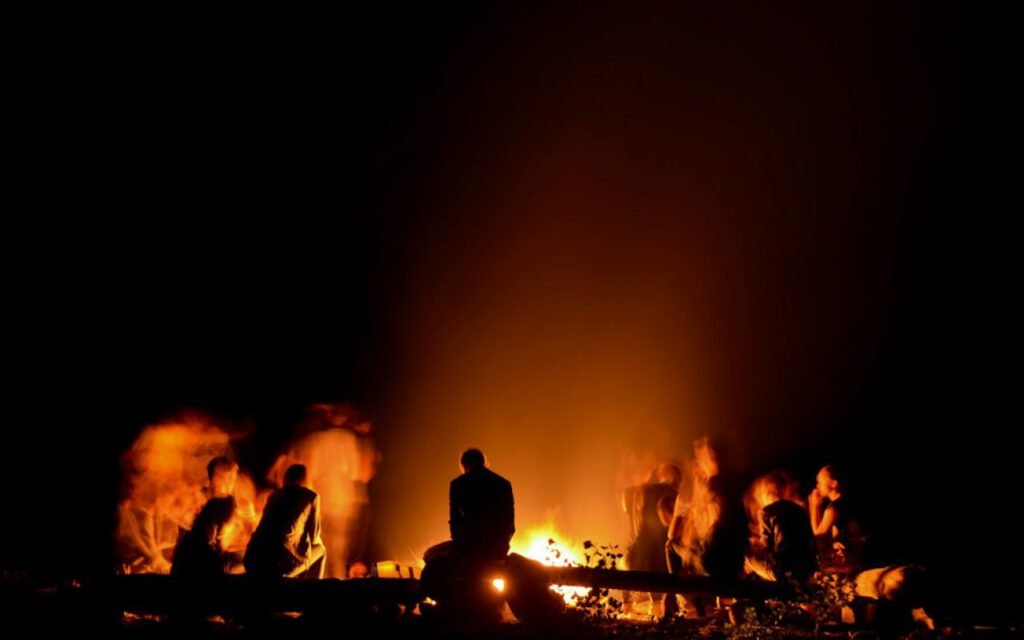

Written by
Cal Brooks
Cal has guided trips for 18 years and still packs too many snacks on purpose.
10Articles
2026Writing since
After a long day on the trail, few things beat the smell of dinner cooking over glowing coals. Simple campfire meals taste amazing after a day outside, and they do not require fancy gear or chef skills. A sturdy grate, some heavy-duty foil, a cast-iron skillet and a little planning are enough to feed a hungry group well. Here are five easy campfire meals our editors make again and again, plus the fire skills and safety habits that keep every cookout fun.
Build a cooking fire, not a bonfire
The biggest mistake new campfire cooks make is cooking over tall flames. Flames scorch the outside of food while leaving the inside raw. What you want is a bed of glowing coals, which gives steady, even heat. Start your fire about 45 minutes to an hour before you plan to cook, and let it burn down until the logs are mostly red embers covered with a light layer of ash.
Use only firewood that is local or certified, since moving firewood can spread pests that harm forests. Many parks sell bundles at the camp store. Hardwoods like oak and maple make long-lasting coals, while softer woods burn faster and hotter. Keep a small pile of extra wood nearby so you can feed the fire gradually.
Arrange the coals so you have a hotter zone and a cooler zone. That way, you can sear on one side and keep food warm on the other. A long pair of tongs, heat-resistant gloves and a small shovel or stick for moving coals make the whole process easier and safer.
Five easy campfire meals
1. Foil packets
Veggies, potatoes and sausage in foil cook right in the coals. This is the classic campfire dinner for good reason. Dice potatoes small so they cook through, then add sliced smoked sausage, bell peppers, onion and zucchini. Drizzle with olive oil, sprinkle with salt, pepper and garlic powder, and wrap it all tightly in a double layer of heavy-duty foil. Set the packets on hot coals and cook for 20 to 30 minutes, flipping once. Open carefully, since steam escapes fast.
2. Skillet breakfast hash
A cast-iron skillet over the grate turns breakfast into a feast. Cook diced bacon until crisp, then add pre-cooked diced potatoes and onions. Once everything is golden, make a few wells in the hash and crack eggs into them. Cover with foil or a lid until the eggs are set. Top with shredded cheese and hot sauce.
3. Campfire quesadillas
Fill flour tortillas with shredded cheese, canned black beans and leftover chicken or veggies. Fold them and toast them in a skillet or wrapped in foil on the grate for a few minutes per side, until the cheese melts. They are quick, kid-friendly and easy to customize.
4. Chili in a pot
Brown ground beef or turkey in a sturdy pot, then add canned beans, diced tomatoes, chili powder and cumin. Let it simmer over the coals for 30 minutes, stirring now and then. Make the spice mix at home in a small bag to save time. Serve with corn chips and shredded cheese.
5. Campfire banana boats
For dessert, slice a banana lengthwise through the peel without cutting all the way through. Stuff the opening with chocolate chips and mini marshmallows, wrap it in foil and set it near the coals for about 10 minutes. Eat it right out of the peel with a spoon.
Everything tastes better with a little smoke.
Our outdoors editor
Prep at home, cook at camp
The secret to easy campfire cooking is doing most of the work in your own kitchen. Chop vegetables, mix spice blends, marinate meat and pre-cook potatoes before the trip. Pack each meal’s ingredients together in labeled bags or containers so you can grab what you need without digging through the cooler.
Here is a short packing list for a weekend of campfire meals:
- Heavy-duty aluminum foil and a cast-iron skillet with a lid.
- A sturdy pot, long tongs, a spatula and heat-resistant gloves.
- Cooking oil, salt, pepper and pre-mixed spice blends.
- A cutting board, a sharp knife and paper towels.
- A cooler with plenty of ice and a food thermometer.
- Biodegradable soap, a scrub pad and a wash basin.
Key takeaway: Cook over coals, not flames, and do your chopping at home. That combination makes campfire meals faster, tastier and far less stressful.
Cooking for a group is easier when everyone has a job. One person tends the fire and manages the coals, another handles prep and assembly, and a third sets up the eating area and starts heating water for cleanup. Kids love helping with foil packets and banana boats, and giving them a task keeps them busy and away from the hottest part of the fire. Rotate jobs at each meal so everyone gets a turn at the grate, and plan simple leftovers, like extra chili, for lunch the next day. A shared plan makes camp kitchens run smoothly, even when everyone is tired and hungry after a long hike.
Food safety at camp
Keeping food safe outdoors takes a little extra care. Keep cold foods cold in a well-packed cooler and limit how often you open it. Store raw meat in sealed containers at the bottom so juices cannot drip onto other food. A food thermometer is the most reliable way to know whether meat is cooked through. Follow widely accepted guidelines for safe cooking temperatures.
Wash your hands before handling food, especially after building the fire. Many campers set up a simple hand-washing station with a jug of water, soap and a basin. Wash dishes at least 200 feet from lakes and streams, and scatter strained dishwater away from camp as local rules allow.
Wildlife is another concern. Store food, coolers and trash in your vehicle or in bear-resistant lockers where required, and never leave food out unattended. Follow the specific food storage rules for the park or forest where you are camping.

Fire safety
Use existing fire rings, keep water nearby and drown the fire completely. Campfires are a highlight of camping, but they also carry real risks. Always check current fire restrictions before your trip, since bans are common during dry seasons in many parts of the country. Even if fires are allowed, avoid building one on windy days.
Follow these steps every time you cook over a fire:
- Use an established fire ring or grill, never a new spot.
- Clear the area around the ring of leaves, needles and other fuel.
- Keep a full bucket of water and a shovel within reach.
- Never leave the fire unattended, even for a few minutes.
- Keep kids and pets a safe distance away from the fire ring.
- When you are done, drown the fire with water, stir the ashes and drown it again until everything is cool to the touch.
If it is too hot to touch, it is too hot to leave. That simple test is one of the best fire safety habits a camper can have.
Gather around the fire
Campfire cooking is about more than food. It is the moment the group slows down, shares stories from the trail and watches the sky turn dark. Pick one or two of these meals for your next trip, prep what you can at home and give yourself time to enjoy the process. With a good bed of coals and a little smoke, even the simplest dinner can become the best meal of the weekend.
Always check local fire restrictions before lighting a campfire.
Written by
Cal Brooks
Cal has guided trips for 18 years and still packs too many snacks on purpose.
10Articles
2026Writing since
Read next
CampingYour First Camping Trip: A No-Stress ChecklistTent, sleep system, kitchen and a backup plan. HikingLeave No Trace: Seven Principles Every Hiker Should KnowPlan ahead, pack it out, respect wildlife.
 CampingKayaking for Beginners: Calm Water FirstPaddle basics, life jackets and picking the right day.
 CampingRock Climbing: How to Start SafelyGyms, guides and the knots you must know.
 CampingStargazing at Camp: What to Look For TonightThe Milky Way, planets and meteor showers.
 HikingSnowshoeing: Winter Hiking Made EasyIf you can walk, you can snowshoe.
 CampingHammock Camping: Sleep Among the TreesStraps, bug nets and the diagonal lie.
 PaddlingPaddleboarding: Find Your Balance in an AfternoonWide boards, calm water and knees first.
 CampingWinter Camping BasicsStay dry, eat often and bring a warm water bottle.
2 Comments
Thanks for explaining this so clearly.
Great reporting — please keep following this story.