


 CampingYour First Camping Trip: A No-Stress ChecklistTent, sleep system, kitchen and a backup plan.
Hiking Cal Brooks6 min read
Trail Etiquette: Who Yields to Whom?
Hikers, bikers, horses and the uphill rule.
Cal Brooks6 min read

Written by
Cal Brooks
Cal has guided trips for 18 years and still packs too many snacks on purpose.
10Articles
2026Writing since
It happens on almost every popular trail in the country. You are climbing a narrow switchback, breathing hard, when a group of hikers comes bounding down toward you. Or a mountain biker rounds a blind corner. Or you hear hoofbeats behind you and realize a line of horses is approaching. Who steps aside? Who keeps going? Shared trails work best when everyone knows the basics, and the basics are simpler than most people think. Here is a friendly, practical guide to trail etiquette, from right-of-way rules to the small courtesies that make a hike better for everyone.
Why trail etiquette matters
Trails across the US are busier than ever. More people are discovering hiking, trail running, mountain biking and horseback riding, often on the same paths. That is wonderful news for the outdoors, but it also means more encounters on narrow trails, at overlooks and around popular landmarks. A few shared rules keep those encounters safe and pleasant.
Trail etiquette is also about protecting the land. When people step off trail to pass, they trample plants, widen paths and cause erosion that can take years to repair. Good habits help keep trails healthy and open for future visitors.
Most importantly, etiquette is about respect. Everyone on the trail has come for something, whether that is exercise, quiet, a great view or time with friends. A little awareness goes a long way toward letting everyone enjoy their day.
The common rule
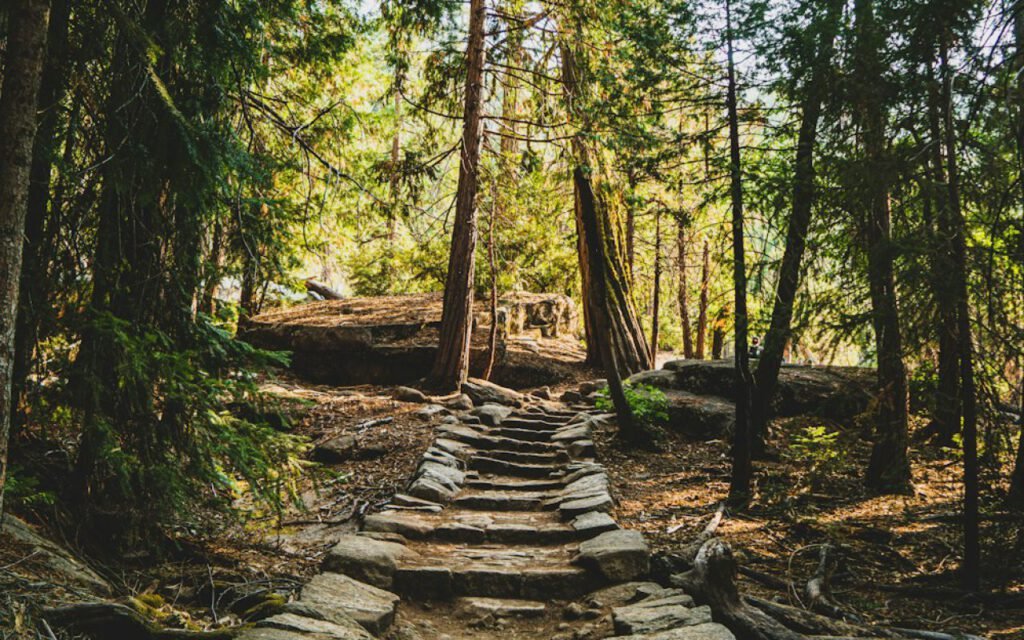
Bikers yield to hikers, and everyone yields to horses. Downhill hikers often yield to uphill hikers. Those guidelines are widely used across many parks and trail systems, and they are often shown on signs at trailheads as a simple triangle. Local rules can vary, so always read posted signs, but these basics are a good starting point.
Why bikers yield to hikers
Mountain bikers move faster and can usually stop or maneuver more easily than a hiker can get out of the way on a narrow trail. In practice, many hikers step aside for a biker anyway, especially on a steep climb where restarting is hard for the rider. That kind of give and take is great. The rule simply sets the default.
Why everyone yields to horses
Horses are large animals that can be startled by sudden movements or unfamiliar shapes, such as a hiker with a big backpack or a bike appearing suddenly. A spooked horse can be dangerous for its rider and for people nearby. When you meet horses, step off the trail on the downhill side if it is safe, stand still and speak calmly to the rider. Hearing a human voice helps the horse recognize you as a person. Ask the rider how they would like you to proceed, and wait until the horses have passed before moving on.
Why downhill hikers yield
Hikers climbing uphill are working harder and have a narrower field of view, and breaking their rhythm can be tiring. Downhill hikers can see further ahead and usually have an easier time stepping aside. That said, many uphill hikers welcome a quick break and will wave you through. Communicate, and do what makes sense in the moment.
Key takeaway: Bikers yield to hikers, everyone yields to horses and downhill yields to uphill, but clear, friendly communication beats any rule.
Passing and sharing narrow trails
When you need to pass someone going the same direction, let them know you are coming. A friendly “on your left” or “coming up behind you” is all it takes. Give them time to find a safe spot to step aside, and say thanks as you pass. If you are the one being passed, step to the side of the trail on durable ground, like rock or gravel, rather than trampling plants.
Groups need extra awareness. Hike in single file on narrow trails, and step to one side together when others need to pass. Avoid spreading across the full width of a path or stopping in the middle of the trail for a break or a photo. Move to a wide spot instead.
A few more passing tips:
- Stay on the trail, even when it is muddy, to avoid widening it.
- On switchbacks, never cut corners. It causes erosion and damages the trail.
- If you wear earbuds, keep the volume low or use one ear so you can hear others.
- At narrow spots, a simple wave or nod helps everyone decide who goes first.
Be friendly
A friendly “hello” is the best trail etiquette there is.
Park ranger (fictional)
A quick hello and a little space go a long way. A greeting is more than politeness. It lets people know you are there, makes passing easier and helps everyone feel welcome. It is also a good safety habit. Hikers who greet each other are more likely to remember one another if someone later goes missing or needs help.
Keep noise to a reasonable level. Many people head outdoors for peace and quiet, and the sounds of wind, birds and water are part of the experience. Play music only through headphones, keep conversations at a natural volume and save loud celebrations for the summit, away from others.
If you bring a dog, keep it on a leash where required and under control at all times. Step aside with your dog when others pass, and never let it approach people, other dogs or horses without permission. Pack out pet waste, since bags left beside the trail are one of the most common complaints rangers hear.
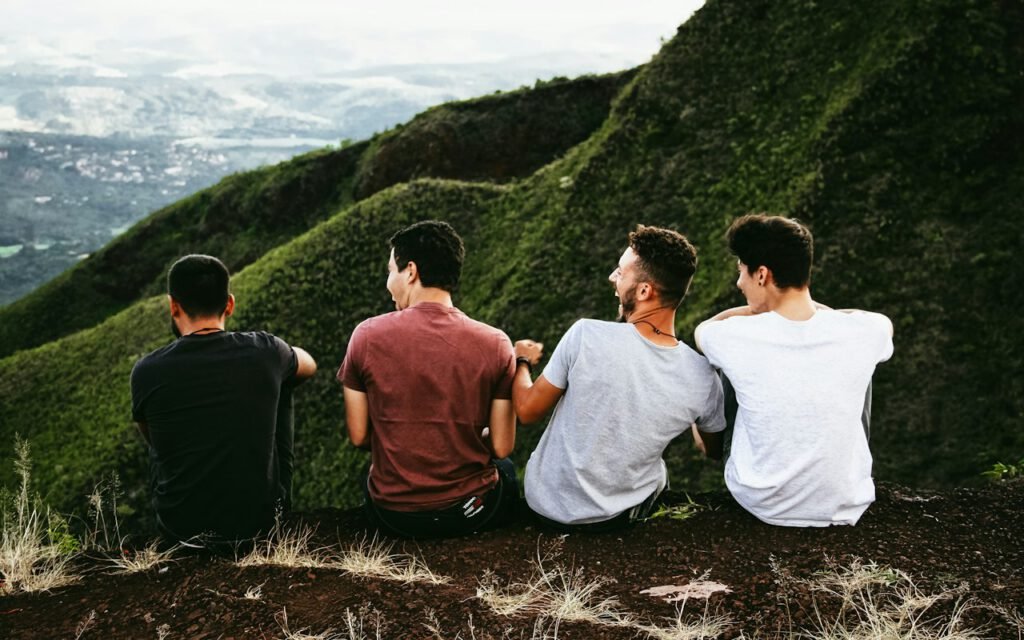
Trail runners have a role to play, too. Running quietly up behind a hiker can startle them, so call out early and slow to a walk as you pass. On busy weekends, consider running popular trails early in the morning or choosing less crowded routes. The same goes for large groups such as clubs or scout troops: break into smaller groups spaced a few minutes apart, so you do not overwhelm narrow trails or crowd a scenic overlook for everyone else.
Leave the trail better than you found it
Good etiquette extends beyond how you treat other people. It also means taking care of the places we share. The widely used Leave No Trace principles offer a simple framework for low-impact hiking. Here are a few that apply on every trail:
- Pack out everything you bring, including food scraps like orange peels and nutshells.
- Stay on durable surfaces and established trails.
- Leave rocks, plants and other natural objects where you find them.
- Respect wildlife by watching from a distance and never feeding animals.
- Be considerate of other visitors, from the trailhead to the summit.
Many hikers go one step further and carry a small bag to pick up litter they find along the way. It is a simple habit that makes a real difference, especially on busy trails near cities.
Parking lots and trailheads count, too. Park only in designated spaces, avoid blocking gates or other cars and keep noise down early in the morning, when nearby campers may still be sleeping.
Common courtesy, common ground
Trail etiquette is not about memorizing a rulebook. It is about awareness, respect and a little patience. Know the basics: bikers yield to hikers, everyone yields to horses and downhill hikers usually yield to those climbing. Then add a smile, a greeting and a bit of extra space. Those small habits turn a crowded trail into a friendly one and help keep our favorite places beautiful for everyone who comes next.
Written by
Cal Brooks
Cal has guided trips for 18 years and still packs too many snacks on purpose.
10Articles
2026Writing since
Read next
CampingYour First Camping Trip: A No-Stress ChecklistTent, sleep system, kitchen and a backup plan. HikingLeave No Trace: Seven Principles Every Hiker Should KnowPlan ahead, pack it out, respect wildlife.
 HikingSnowshoeing: Winter Hiking Made EasyIf you can walk, you can snowshoe.
 CampingHammock Camping: Sleep Among the TreesStraps, bug nets and the diagonal lie.
 HikingHow to Read a Topographic MapContour lines, scale and the compass basics.
 PaddlingPaddleboarding: Find Your Balance in an AfternoonWide boards, calm water and knees first.
 HikingSummit Fever: Knowing When to Turn AroundThe smartest hikers set a turnaround time.
 CampingCampfire Cooking: Five Easy MealsFoil packets, skillet breakfasts and s’mores, upgraded.HikingLayering for Cold-Weather HikesBase, mid, shell — and no cotton.
Start the conversation