



 Interviews“Models Before Computers”: Inside the Studio That Still Builds Everything by HandOkafor Lindqvist makes a physical model of every project. Here’s why.
Interviews Nora Kessler6 min read
Landscape Architect Renata Solis on Designing for Drought, Hail and a Mile-High Sun
The Denver designer plants for the climate the city is getting, not the one it had. A conversation on water and shade.
Nora Kessler6 min read

Written by
Nora Kessler
Nora trained as an architect before turning to writing. She has edited Form & Frame since 2018.
13Articles
2026Writing since
Renata Solis keeps a rain gauge on the windowsill of her studio and checks it more often than her email. The Denver landscape architect has spent nineteen years designing parks, schoolyards, rooftop gardens and private yards along the Front Range, where summers are getting hotter, hailstorms arrive with little warning and every gallon of irrigation water is spoken for. Her work is known for looking lush without being thirsty, a balance she says took most of her career to learn.
Interview by Nora Kessler · Studio Solis Ground · Founded 2014 · Team 11 people
Solis Ground works out of a converted auto-body shop in the Santa Fe Arts District, its front lot now a test garden of native grasses, salvaged flagstone and three kinds of shade structure. The studio’s best-known project is the garden at a branch library in north Denver that uses roughly a third of the water of the lawn it replaced. We talked with Solis on a bench in the test garden, during a dry week in late summer. Our conversation has been edited for length and clarity.
On designing for the climate ahead
You often say you design for the climate Denver is getting, not the one it had. What does that mean in practice?
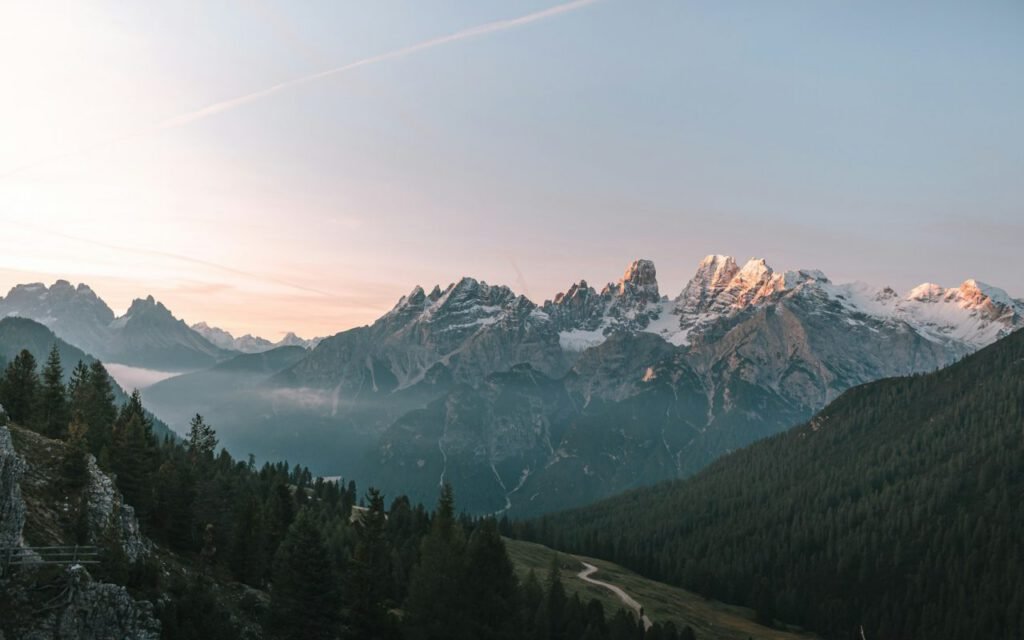
It means I stop trusting the plant lists I learned in school. Many of the trees that were standard street trees here thirty years ago are struggling now. Summers are longer, nights stay warmer and we get these strange swings, a week in the nineties followed by a hard freeze. So I look south. I ask what grows well in places that are a little hotter and drier than Denver is today, and I test those plants here before I put them in a public project.
How do you test them?
Mostly right here in this lot. We have about 140 species growing out front, and every one has a tag with its planting date and how much water it gets. Some get no supplemental water at all after the first summer. We keep a spreadsheet. It is not glamorous, but it means when I tell a city that a plant will survive, I am not guessing.
On water
Water is the obvious constraint in Colorado. How does it shape a design?
It shapes everything, starting with where the water goes when it does arrive. We get most of our rain in short, heavy storms. Hard surfaces send that water straight into the drains, and it is gone. So my first drawing on any site is a grading plan, not a planting plan. I want to know where every drop lands and how I can slow it down. Sometimes that is a shallow swale lined with river rock. Sometimes it is just tilting a path two degrees so it waters a bed instead of a gutter.
And lawn?
I am not anti-lawn, which surprises people. A lawn is a wonderful place for children to run, and some parks need open grass. What I am against is lawn as the default, lawn in places where nobody ever walks. On the library project, we kept a small lawn for story time and turned the rest into a meadow with a mown path through it. The kids actually prefer the path. They call it the maze.
A garden should look its best in its fifth year, not on the day the photographer comes. I design for the fifth year.
Renata Solis, landscape architect
On shade and hail
Denver is a mile up. How does the sun change your work?
The sun here is intense, and people underestimate it. A playground with no shade is empty by eleven in the morning from June to September. We measure surface temperatures on every schoolyard project, and dark rubber surfacing under full sun can get hot enough to burn skin. So shade comes first, before play equipment and before planting. Trees are the best shade, but they take fifteen years. In the meantime, we use structures, usually a mix of steel frames and fabric or slatted wood.
And hail?
Hail is the thing visitors never think about. A bad storm can shred a garden in ten minutes. We choose plants that recover from the base, like grasses and many perennials, and we avoid big-leafed plants in exposed spots. Shade structures have to survive it too, which rules out some of the prettier fabrics.
On working with the public
Much of your work is public. How do you involve neighbors?
Early, and outdoors. I hate community meetings in a fluorescent room with a slideshow. We hold them on the actual site, on a Saturday morning, with coffee and big printed plans weighed down with rocks. People will tell you things standing on the ground that they will never say in a meeting room. On a park project in Aurora, an older man walked me to a corner and showed me exactly where the snow drifts every winter. That changed where we put the entry path.
What do people ask for most often?
Shade, restrooms and places to sit. Almost never the things designers obsess over. I keep a running list from every meeting. The top five have not changed in ten years:
- More shade, especially near playgrounds.
- Benches with backs, so older visitors can rest comfortably.
- Better lighting along paths in the evening.
- Drinking fountains that work.
- Less mud in spring, which mostly means better drainage.
On rooftops
Your studio has designed several rooftop gardens downtown. What makes them hard here?
Wind, mostly. People imagine a rooftop as a calm little terrace, but twelve stories up in Denver you can get gusts that strip a young tree in an afternoon. We plant low and dense, anchor everything, and put taller plants in the lee of stair towers and parapets. Soil depth is the other limit. Most roofs can carry only a shallow layer, often six to eighteen inches, so the plants have to be happy with a thin, fast-draining mix.
Are they worth the trouble?
Absolutely, if they are used. A green roof cools the building below it, holds back stormwater and gives office workers somewhere to eat lunch that isn’t their desk. On one residential tower, we measured the planted roof at more than forty degrees cooler than the bare membrane next to it on a July afternoon. The residents care less about that number than about the evening light. They go up there to watch the sun drop behind the mountains, and that is reason enough.
On the next generation
What would you tell a young landscape architect starting out in the West?
Learn plants, really learn them, by growing them yourself. Spend a summer working on a maintenance crew if you can. Most landscapes fail not because of design but because nobody planned how they would be cared for. If you know what it takes to keep a garden alive in August, you will design differently.
And for a homeowner who wants to start?
Pick the sunniest, most neglected corner of your yard and plant it with native grasses and a few tough perennials. Water deeply for the first summer, then gradually back off. Leave the seed heads up in winter for the birds. If it works, you will want to do the next corner. If it doesn’t, you have lost one small patch of lawn you were not using anyway.
Key takeaway: for Solis, a landscape in the dry West begins with water, shade and patience, and its real test comes years after the ribbon cutting.
Written by
Nora Kessler
Nora trained as an architect before turning to writing. She has edited Form & Frame since 2018.
13Articles
2026Writing since
Read next
Interviews“Models Before Computers”: Inside the Studio That Still Builds Everything by HandOkafor Lindqvist makes a physical model of every project. Here’s why. InterviewsThe Staircase as Sculpture: Five Stairs Worth ClimbingFrom spiral to cantilevered, the most beautiful staircases of the year.
 InterviewsArchitect Maya Halden on Building Less and Listening MoreThe founder of Studio Halden Rowe talks about sites, silence and saying no.
 InterviewsPortland Furniture Maker Graham Pell on Slow Joinery, Local Wood and Chairs That Outlive UsFrom a small Central Eastside shop, Pell builds about 60 pieces a year. He explains why…
2 Comments
Her point about designing the first five years, not the rendering year, is something every client should hear.
I walk past the library garden every week. Didn’t know it used a third of the water. Fascinating.