



 DogsYour New Puppy’s First Week: A Calm Survival GuideSleep, potty breaks and the art of saying “no” to a very cute face.
Adoption Dr. Leah Moran6 min read
Graying Muzzles: Caring for Older Pets
Comfort, checkups and gentle changes at home.
Dr. Leah Moran6 min read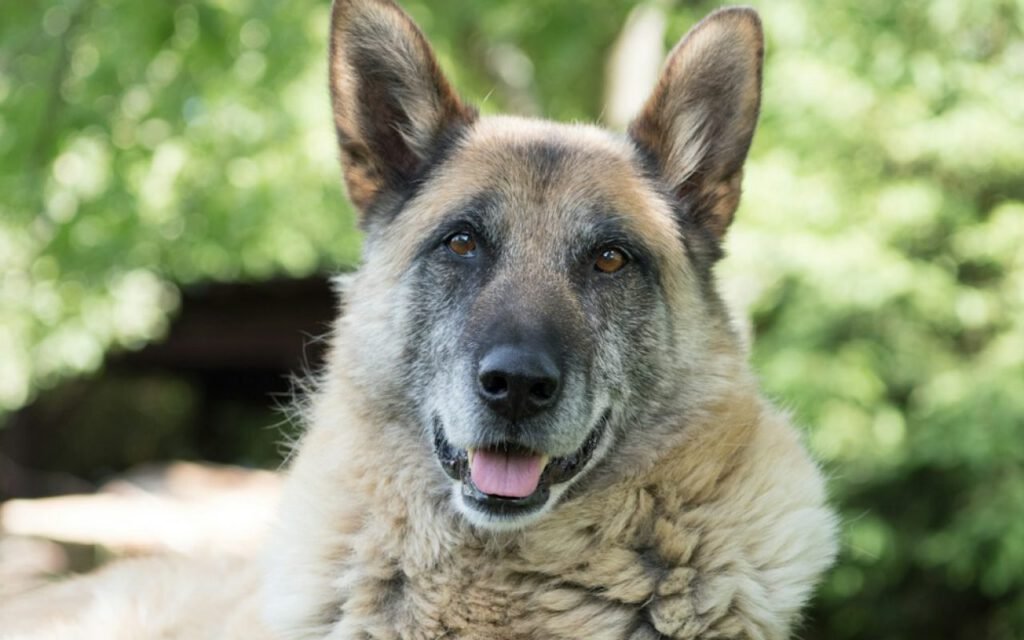

Written by
Dr. Leah Moran
Leah is a small-animal vet who reviews our health and safety stories.
7Articles
2026Writing since
Many dogs and cats are considered seniors around age 7 or later, depending on size and breed. That number often surprises people. The dog who still bounces at the door and the cat who still leaps onto the bookcase do not look old. But inside, gradual changes are already underway, from stiffer joints to slower metabolism to subtle shifts in hearing and vision. The good news is that today’s older pets can enjoy many comfortable, happy years with a little extra attention. Senior care is not about wrapping a pet in bubble wrap. It is about noticing small changes early, adjusting the home and routine, and giving a longtime companion the comfort it has more than earned. Here is where to start.
When is a pet a senior?
There is no single birthday that turns a pet into a senior. Size and breed play a big role. Large and giant breed dogs tend to age faster, and some are considered seniors at six or seven. Small breed dogs often stay youthful longer and may not hit their senior years until nine or ten. Cats are commonly considered mature around seven and senior a few years later, though many cats stay active well into their teens.
Rather than focusing on a number, watch for signs of aging. A graying muzzle is the classic one, but others matter more: sleeping more, moving more slowly, hesitating at stairs, changes in appetite or thirst, weight gain or loss, cloudy eyes or not hearing you come in. Your vet can help you understand where your pet is on its timeline and what to watch for.
Twice-yearly checkups
Many vets recommend more frequent visits for older pets to catch problems early. Pets age faster than people, so a lot can change in a year. Many common issues in senior pets, including kidney disease, thyroid problems, diabetes, arthritis and dental disease, are easier to manage when they are found early.
At a senior visit, your vet may suggest blood work, urine tests and a blood pressure check, along with a thorough physical exam. Before the appointment, make a list of any changes you have noticed at home. Small details, like drinking more water, waking up at night or taking longer to get up after a nap, can be important clues. Bring a short video if your pet does something odd at home but not at the clinic.
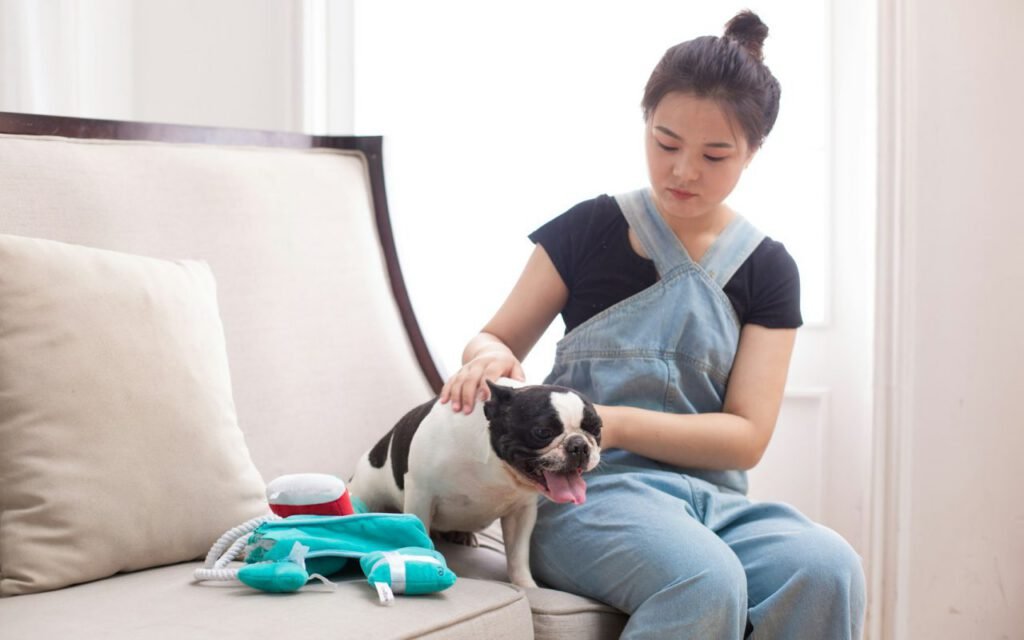
Old pets have earned the softest beds in the house.
Dr. Leah Moran, veterinarian
Small changes help
Ramps, rugs on slippery floors and orthopedic beds make daily life easier. Many senior pets live with some level of joint stiffness or arthritis, and a few simple adjustments at home can make a real difference in comfort and confidence.
- Traction: Add runners or non-slip rugs on hardwood and tile, especially in hallways and near food bowls.
- Ramps and steps: Help pets reach beds, couches and cars without jumping.
- Supportive beds: Orthopedic or memory foam beds cushion aging joints. Place them in warm, draft-free spots.
- Easy access: Keep food, water and, for cats, litter boxes on the main floor of the house.
- Low-entry litter boxes: Cats with stiff joints may struggle with high sides.
- Night lights: Pets with fading vision can benefit from soft lighting in hallways.
- Raised bowls: Some larger dogs find these more comfortable, though ask your vet first.
Keep paws and nails tidy too. Long nails can make walking on smooth floors harder, and trimming the fur between paw pads improves grip.
Food, weight and movement
Nutritional needs often change with age. Some senior pets gain weight as they slow down, while others, especially older cats, may lose weight. Extra pounds put more strain on aging joints, and unexplained weight loss can be a sign of illness, so both are worth discussing with your vet. Weigh your pet regularly at home or during vet visits, and ask your vet whether a senior diet, a different calorie target or joint-support supplements make sense for your pet.
Exercise still matters, but it may look different. Instead of one long hike, try two or three shorter walks a day at a gentler pace. Swimming can be a great low-impact option for dogs who enjoy water. For cats, gentle play with a wand toy on the floor, rather than high jumps, keeps them moving without strain. Watch for signs that your pet has done too much, such as limping or extra stiffness the next day, and adjust.
Keep the mind busy
Mental exercise matters as much as physical activity. Food puzzles, sniff walks, short training sessions and new toys keep older brains engaged. Yes, old dogs can learn new tricks, and so can old cats. Gentle brain games can be especially valuable for pets showing early signs of confusion or restlessness.
Don’t forget the teeth
Dental disease is one of the most common health problems in older dogs and cats, and it is easy to overlook because pets rarely complain. Bad breath, red or swollen gums, dropping food, chewing on one side or pawing at the mouth can all point to painful teeth. Left untreated, dental problems can affect appetite and overall comfort. Ask your vet to check your pet’s mouth at every senior visit, and talk through whether a professional cleaning makes sense. Your vet may suggest blood work beforehand to make sure anesthesia is as safe as possible for an older pet. At home, regular tooth brushing with a soft brush and pet-safe toothpaste, dental chews your vet approves of and water additives can all help. Many owners are surprised by how much more playful and hungry their senior pet becomes once a sore tooth is treated.

Comfort, patience and quality of life
Older pets sometimes develop new habits. They may sleep more deeply and startle when touched, become more vocal at night or have occasional accidents. Many of these changes have medical causes that can be treated or managed, so mention them to your vet rather than assuming they are just “old age.” Pain, in particular, can be easy to miss. Pets often hide discomfort, showing it through subtle signs like reluctance to jump, changes in posture, irritability or licking a particular joint.
Patience goes a long way. Approach a pet with weaker hearing or vision from the front, and let it see or smell you before you touch it. Keep routines steady, since predictability is comforting for older animals. And make time for the things your pet still loves, whether that is a slow sniff around the block, a sunny window or a long brushing session on the couch.
As pets reach their final years, many families find it helpful to talk with their vet about quality of life. Simple questions, such as whether your pet is still eating, moving comfortably and enjoying favorite activities, can guide decisions with compassion. Your vet is a valuable partner in these conversations.
Key takeaway: Senior pets thrive with more frequent checkups, small home adjustments, gentle exercise and a lot of patience. Watch for changes and talk to your vet early.
The golden years
Caring for an older pet can be one of the most rewarding parts of pet ownership. These are the animals who have shared our moves, our milestones and our quiet evenings for years. A few ramps, an extra rug and a softer bed are a small price for the loyalty they have given us. Pay attention, adjust as needed and enjoy every slow walk together.
General pet-care information, not veterinary advice. Call your own vet with any health question.
Written by
Dr. Leah Moran
Leah is a small-animal vet who reviews our health and safety stories.
7Articles
2026Writing since
Read next
DogsYour New Puppy’s First Week: A Calm Survival GuideSleep, potty breaks and the art of saying “no” to a very cute face. DogsDog Park Manners: The Unwritten RulesHow to keep play fun for every dog (and every human).
 DogsPuppy Socialization: The 12-Week WindowGentle new experiences that shape a confident adult dog.
 AdoptionBringing Home a Senior DogWhy older dogs make wonderful, mellow companions.
 Care & GearThe Best Dog Beaches Are Also the Best-Behaved OnesEtiquette, safety and how to keep sand out of your car (mostly).
 DogsTeaching “Leave It” in Five Short SessionsThe one cue that can keep your dog safe.
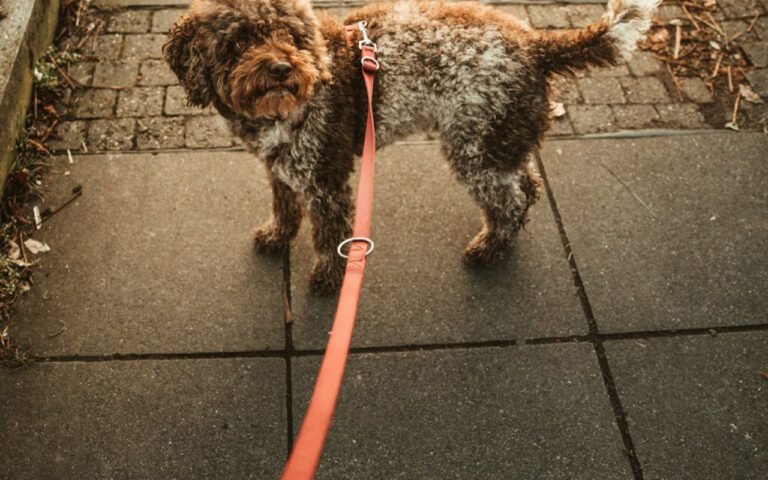 DogsLeash Walking: Turning Pulling Into StrollingStop, turn, reward — and repeat.
 AdoptionAdopting From a Shelter: What to Ask Before You CommitQuestions that help you find the right match.
 Care & GearHow to Give Your Dog a Bath Without a Wrestling MatchWarm water, lots of treats and the right towel.
Start the conversation