



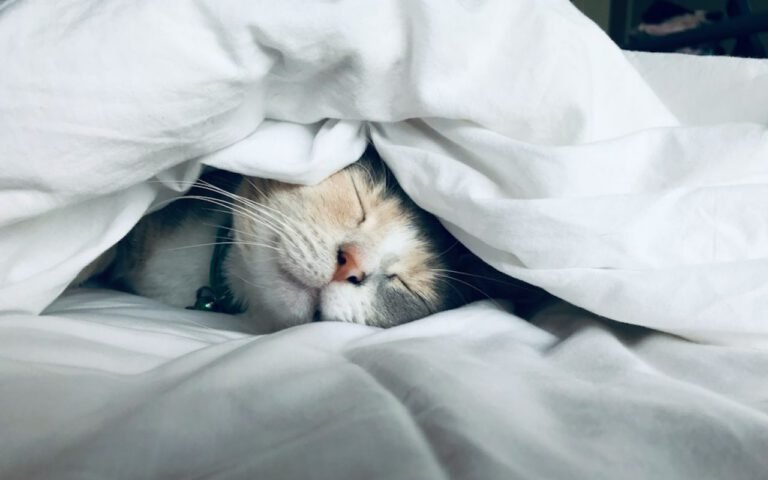
 Care & GearWhy Do Cats Sleep So Much?Up to 16 hours a day — and it’s completely normal.
Adoption Sam Okafor6 min read
Window Watching: Enrichment Ideas for Indoor Cats
Bird feeders, perches and a little cat TV.
Sam Okafor6 min read

Written by
Sam Okafor
Sam is a cat behavior consultant who has never once won an argument with a cat.
6Articles
2026Writing since
Indoor cats live longer on average, but they need things to watch, climb and explore. A cat stretched out on a windowsill, tail twitching as a sparrow lands on the fence, is doing exactly what it was built to do: watching, planning, hunting in its imagination. For indoor cats, those moments are more than entertainment. They are mental exercise, stress relief and a daily dose of the outdoors without the dangers of traffic, predators and disease. The good news is that enriching an indoor cat’s life rarely requires a big budget or a dramatic home makeover. A sunny perch, a few clever toys and a little rotation can transform a bored cat into a curious, content one. Here are the ideas our readers and experts love most.
Why enrichment matters
Cats are natural hunters and explorers. In the wild, much of their day would be spent patrolling territory, stalking prey, climbing and resting in safe, elevated spots. Indoors, those needs do not disappear. When they go unmet, cats often find their own outlets, and those outlets are not always ones we like: scratching furniture, knocking things off counters, overeating, overgrooming, nighttime yowling or picking fights with other pets.
Enrichment means giving cats appropriate ways to use their natural instincts. It covers the physical environment, like perches and scratching posts, and daily activities, like play and food puzzles. It also includes sensory experiences, such as new smells, sounds and, of course, things to watch out the window.
Boredom causes more cat problems than almost anything else.
Sam Okafor, cat behavior consultant
A perch with a view
A window shelf near a bird feeder can keep a cat entertained for hours. Cats love height, and they love to watch. Combine the two and you have a cat’s version of a favorite armchair in front of a big-screen TV.
Choosing the perch
Window perches come in many styles: shelves that mount on the sill, hammocks that attach to the glass with suction cups and cat trees placed right beside the window. Whatever you choose, make sure it is sturdy enough for your cat’s weight and wide enough for a comfortable nap. Add a soft pad or folded blanket, since cats tend to spend a lot of time dozing between bird sightings.
Setting up the show
A bird feeder placed a short distance outside the window turns a quiet view into a lively one. Squirrels, chipmunks and visiting birds provide constant action. If you can, place the feeder far enough from shrubs that birds have a clear view of approaching predators, and clean it regularly to keep visiting wildlife healthy. A small birdbath or a garden of flowering plants can draw butterflies and bees for even more to watch.
Make sure window screens are secure. Cats who spot a bird can launch themselves at the glass or screen with surprising force, and a loose screen can lead to a fall, especially from upper floors.

Rotate toys
Put half the toys away each week. Old toys feel new again. Cats are drawn to novelty, and a basket full of the same mice and balls can quickly become background clutter. Rotation is one of the cheapest, simplest enrichment tricks there is.
Divide your cat’s toys into two or three groups. Keep one group out and store the rest in a closed container, ideally with a pinch of dried catnip or silvervine to keep them interesting. Swap the groups every week. Many owners find their cats pounce on “new” toys with fresh enthusiasm, even though they have seen them before.
Interactive play still matters most. Toys left on the floor rarely move by themselves, and cats need something that behaves like prey. A wand toy with feathers, dragged slowly across the floor and around corners, gives your cat a satisfying chase. Aim for at least one or two short play sessions every day, ending with a successful catch and a small treat.
Easy wins
Not every enrichment idea needs a project weekend. Some of the best are things you can set up in an afternoon:
- Cat trees near windows
- Food puzzles
- Cardboard boxes (always)
- Paper bags with the handles removed
- A sturdy scratching post in each main room
- Pots of cat grass on a sunny sill
- Videos of birds and fish played on a screen for short periods
Food puzzles deserve special mention. Instead of filling a bowl, put part of your cat’s daily food into a puzzle feeder, a treat ball or even a muffin tin with toys covering some of the cups. Working for food mimics the hunting process, slows down fast eaters and can help prevent boredom-related overeating. Start with easy puzzles and make them harder as your cat catches on.
Think vertical
Floor space is limited in most homes, but wall space often is not. Cats experience a room in three dimensions, and adding vertical territory can make a small apartment feel much bigger to them. Wall-mounted shelves arranged like a staircase, a tall cat tree in a corner or a cleared-off top of a bookcase all give your cat new routes to travel and new lookout points. Vertical space is especially valuable in homes with more than one cat or with a dog, since it lets each animal claim its own spot and avoid conflict. When you add shelves, mount them securely into studs, space them so your cat can step or hop comfortably between them and add carpet or a grippy surface so paws do not slip. Older cats may appreciate lower steps and ramps. Place at least one high perch near a window, and you have combined two of the best enrichment ideas in a single afternoon project.

Cat TV and beyond
Some cats are mesmerized by videos made for them, featuring birds, squirrels or fish. These can be a fun addition, especially for cats in apartments without great window views. Keep sessions short and watch your cat’s reaction. Some cats get frustrated when they cannot catch what they see, so follow screen time with a real play session that ends in a catch.
Other sensory enrichment ideas include safe herbs, like catnip or silvervine, for cats who respond to them, and new objects to investigate, like a paper bag or a cardboard box from a grocery delivery. A supervised outdoor experience, such as a secure screened porch or harness walks for cats who enjoy them, can add even more variety. Introduce a harness slowly, with plenty of treats, and never force a nervous cat outside.
Key takeaway: A secure window perch, a bird feeder, rotating toys and daily play give indoor cats the stimulation they need to stay happy and healthy.
A richer indoor life
Enrichment is not about buying every gadget on the market. It is about seeing your home through your cat’s eyes. Where can it climb? What can it watch? What can it hunt, chew, scratch and explore? Small changes, like moving a cat tree to a sunnier window or turning a delivery box into a hideout, can make a big difference in how your cat feels each day.
If your cat seems withdrawn, stressed or suddenly destructive despite plenty of enrichment, it is worth a call to your vet. Behavior changes sometimes signal a medical issue, and a vet or certified cat behavior consultant can help you find the cause. In the meantime, clear off that windowsill. Your cat has some birds to watch.
Written by
Sam Okafor
Sam is a cat behavior consultant who has never once won an argument with a cat.
6Articles
2026Writing since
Read next
Care & GearWhy Do Cats Sleep So Much?Up to 16 hours a day — and it’s completely normal. AdoptionBringing Home a Senior DogWhy older dogs make wonderful, mellow companions.
 CatsKitten Playtime: Games That Build a Confident CatWand toys, boxes and why hands are not toys.
 AdoptionAdopting From a Shelter: What to Ask Before You CommitQuestions that help you find the right match.
 CatsCats and Dogs Under One Roof: A Slow Introduction PlanScent first, sight second, supervised visits third.
 AdoptionGraying Muzzles: Caring for Older PetsComfort, checkups and gentle changes at home.
 Care & GearCozy Cat Beds Our Readers Swear ByHeated, hooded and cardboard — the honest results.
 AdoptionBonded Pairs: Why Adopting Two Can Be EasierTwo friends, one adoption, half the loneliness.AdoptionFoster Before You Adopt: The Try-It-First OptionShelters need foster homes — and fostering helps you learn what fits.
Start the conversation