



 Everyday LivingComposting 101: Turning Scraps Into SoilCut food waste and feed your garden.
Written by
Ben Okoro
Ben fits a month of trash in one jar and is very calm about it.
6Articles
2026Writing since
Every meal has a backstory. Before a bowl of chili reaches your table, there was a farm, a field, water, fuel for tractors, a truck or train, a grocery store’s refrigerated aisle and finally your stove. What we eat has a footprint. Small shifts help. The good news is that food is one of the most flexible parts of daily life. You eat several times a day, which means you get several chances a day to make a slightly better choice, without giving up the foods you love.
At Greenline, we are not interested in food rules or guilt. We are interested in swaps that are easy, affordable and actually stick. This guide focuses on the changes that make a real difference: wasting less, eating more plants, shopping with the seasons and cooking in ways that save energy. Pick one or two to start, and build from there.
We also asked readers what makes climate-friendly eating hard. The answers were familiar: busy weeknights, picky kids, tight grocery budgets and a fear of doing it wrong. Every tip below was chosen with those real obstacles in mind. None of them require special ingredients, expensive gadgets or hours in the kitchen. Most of them will save you money, and several will save you time once they become routine. Think of this as a menu of options rather than a checklist, and choose the ones that fit the way your household already shops, cooks and eats.
Why your plate matters
The food system touches the climate in many ways. Growing crops and raising animals uses land, water and energy. Fertilizers, livestock and rotting food release greenhouse gases. Processing, packaging, refrigeration and transportation add more. Some foods carry a much heavier footprint than others, and how much we throw away multiplies all of it.
That can sound overwhelming, but it also means there are lots of places to make a difference. You do not have to overhaul your diet overnight or become a perfect eater.
The planet doesn’t need perfect eaters. It needs millions of better ones.
Our climate editor
That idea shapes everything in this guide. If you change one habit and keep it for a year, you have done more than someone who tries everything for two weeks and burns out.
Waste less
If you only take one idea from this article, make it this one. Plan meals and use leftovers, because wasted food wastes everything that went into it: the water, the soil, the fuel, the labor and the money you spent. Food that rots in a landfill also produces methane, a powerful greenhouse gas.
Cutting food waste is also the easiest swap for your wallet. Here are habits that work for busy households:
- Shop with a plan. Before you go to the store, check what you already have and sketch out a few meals for the week.
- Make a “use it up” shelf. Put items that need to be eaten soon in one visible spot in the fridge.
- Understand date labels. “Best by” dates are usually about quality, not safety. Use your senses and follow food safety guidance for perishable items.
- Cook once, eat twice. Make a big pot of soup, beans or grain and plan a second meal around the leftovers.
- Freeze generously. Bread, ripe bananas, cooked rice, soups, sauces and chopped herbs all freeze well.
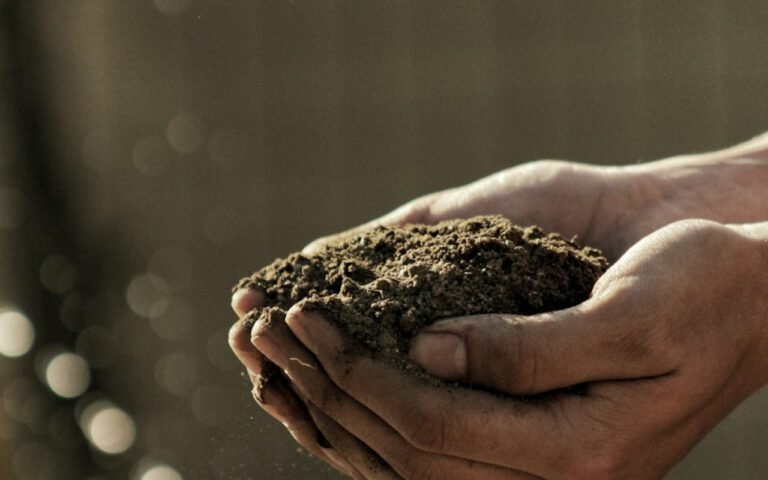
- Compost what is left. Peels, cores and coffee grounds can go into a backyard bin, a worm bin or a city compost program.
More plants
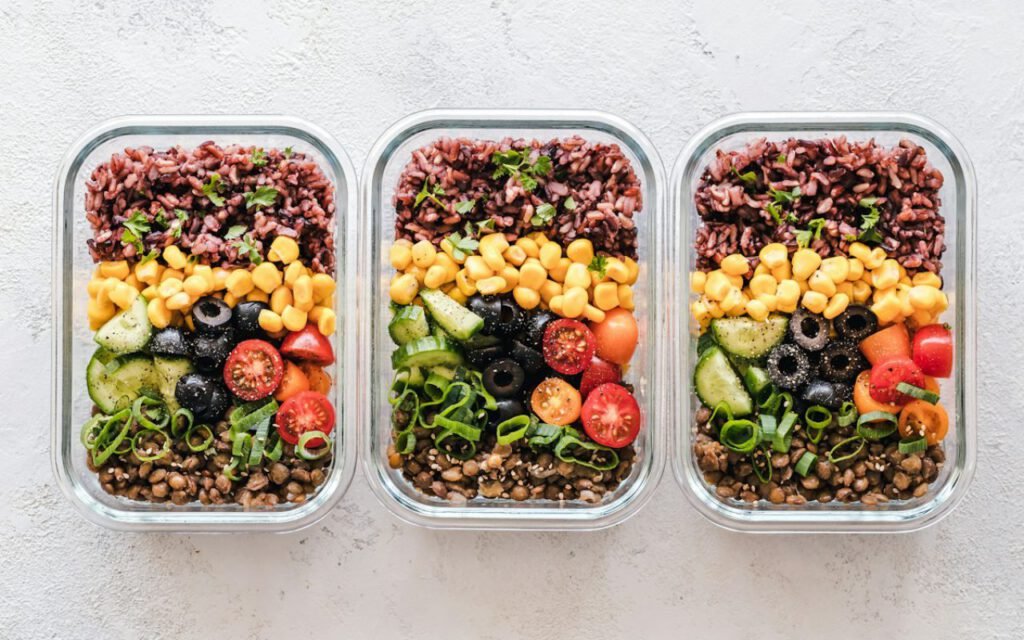
Plant foods like beans, lentils, grains, vegetables, fruits, nuts and seeds generally have a smaller climate footprint than most animal foods, especially beef and lamb. You do not need to go vegetarian or vegan to make a difference. Adding a few plant-based meals each week is an easy start.
Some approaches that make it feel natural:
- Start with meals you already like. Bean chili, veggie stir-fry, pasta with roasted vegetables, black bean tacos and lentil soup are familiar and filling.
- Try “half and half.” Mix ground meat with lentils, mushrooms or beans in tacos, sauces and burgers. Most people barely notice.
- Make plants the main event. Build plates around vegetables and grains, and treat meat as a side or a flavor rather than the centerpiece.
- Keep easy staples on hand. Canned beans, dried lentils, frozen vegetables, peanut butter, oats and brown rice make quick plant-based meals possible on busy nights.
- Pick a regular night. A weekly meatless dinner is simple to remember and easy to share with family.
If you have specific health conditions or dietary needs, talk with your doctor or a registered dietitian before making big changes. For most people, though, a few more beans and vegetables each week is a welcome addition.
Seasonal when you can
Eating with the seasons is another gentle swap. Produce that is in season locally often travels shorter distances and may need less energy for heated greenhouses or long cold storage. It also tends to taste better and cost less at peak harvest.
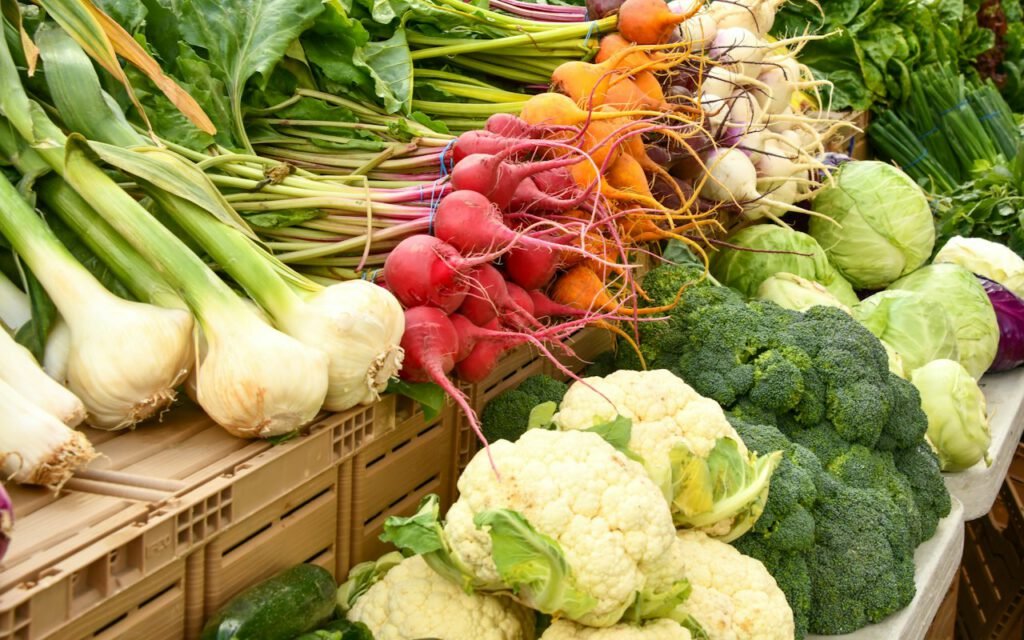
A farmers market is a great way to learn what is in season where you live. In much of the country, that means asparagus and strawberries in spring, tomatoes, corn and peaches in summer, apples and squash in fall and hearty greens and root vegetables in winter. Talk to the growers. Many will happily share recipes and tell you what is coming next week.
That said, seasonal and local are not the only things that matter, and they should not become another source of stress. Frozen and canned fruits and vegetables are often picked at peak ripeness, last a long time and help reduce waste. What you eat usually matters more than how far it traveled. Seasonal when you can is the right spirit.

Swaps in the kitchen
How you store and cook food matters too. A few easy changes can shrink your kitchen footprint and your energy bill:
- Match the pot to the burner. A small pot on a large burner wastes heat.
- Put a lid on it. Covered pots come to a boil faster and use less energy.
- Use small appliances for small jobs. A toaster oven, slow cooker or pressure cooker often uses less energy than heating a full oven.
- Batch cook. Roasting several trays of vegetables at once makes the most of a hot oven.
- Bring reusable bags and containers. They cut down on packaging waste when you shop and store leftovers.
- Drink tap water when it is safe. A refillable bottle avoids the packaging and shipping of bottled water.
Key takeaway: Start with food waste, add a few plant-based meals each week and shop with the seasons when it is easy. Small swaps, repeated often, make the biggest impact.
One better meal at a time
Climate-friendly eating does not have to be complicated or expensive. In many cases, it saves money. Beans cost less than steak. Leftovers cost less than takeout. Using up the spinach before it wilts is cheaper than buying more.
Try this for the next month: pick one swap from this guide and stick with it. Maybe it is a meatless Monday, a weekly fridge cleanout or a Saturday trip to the farmers market. Share it with your household or log it in Greenline’s reader pledge tracker so you can see your progress. When it feels like a habit, add another. That is how millions of better eaters are made, one meal, one week and one small swap at a time.
Written by
Ben Okoro
Ben fits a month of trash in one jar and is very calm about it.
6Articles
2026Writing since
Read next
Everyday LivingComposting 101: Turning Scraps Into SoilCut food waste and feed your garden. EnergyA Neighborhood Solar Co-op Signs Up Its 500th HomeBy buying panels together, homeowners are saving about 25 percent on installation.
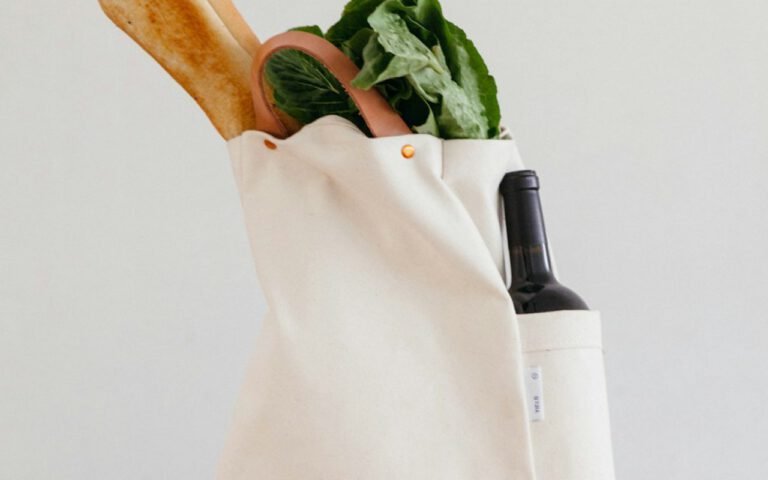 Everyday LivingReusable Swaps That Actually StickBags, bottles and containers — without the guilt.
 EnergyElectric Cars: Charging at Home, ExplainedLevel 1, Level 2 and what you actually need.
 EnergyYour Home’s Biggest Energy WinsInsulation, sealing drafts and smart thermostats.
 CommunityCommunity Gardens Grow More Than FoodNeighbors, shade and fresh produce.
 Everyday LivingSaving Rainwater for Your GardenRain barrels, mosquito screens and simple setups.
 Everyday LivingClothing Swaps: Refresh Your Closet for FreeBring five, take five, keep fashion out of landfills.
 EnergyHow Wind Farms Power Your HomeFrom breeze to grid to light switch.
Start the conversation