



 Everyday LivingComposting 101: Turning Scraps Into SoilCut food waste and feed your garden.
Getting Around Ben Okoro6 min read
Recycling Right: What Belongs in the Bin
Wishcycling, clean containers and local rules.
Ben Okoro6 min read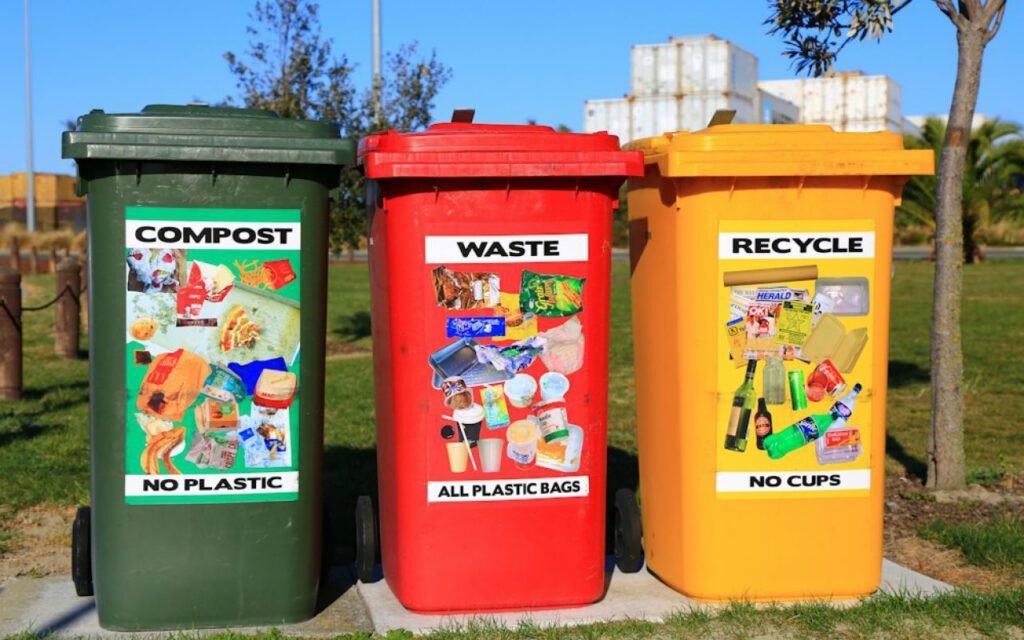

Written by
Ben Okoro
Ben fits a month of trash in one jar and is very calm about it.
6Articles
2026Writing since
Putting the wrong things in recycling can contaminate whole loads. Check your local rules. That advice sounds simple, but it surprises many people who assume that anything made of plastic, paper or metal belongs in the blue bin. In reality, every community’s recycling program is built around the specific equipment at its sorting facility and the markets available for the materials it collects. An item that is welcome in one city may be trash in the next town over.
Getting recycling right matters. When bins are full of the wrong items, sorting facilities slow down, equipment jams, workers spend more time pulling out problem materials and bales of paper or plastic can lose value or be rejected entirely. This guide explains how recycling works behind the scenes, which common mistakes cause the most trouble and how to figure out exactly what belongs in your bin.
What happens after the truck leaves
Most curbside recycling in the United States goes to a materials recovery facility, often called a MRF (pronounced “murf”). There, a combination of conveyor belts, screens, magnets, air jets, optical scanners and human sorters separates the mix into streams: cardboard, mixed paper, aluminum, steel, certain plastics and sometimes glass. Each stream is baled and sold to manufacturers who turn it into new products.
The system works best when it receives clean, dry, accepted materials. Problems start when bins contain items the facility cannot handle. Plastic bags and hoses wrap around spinning screens and force workers to shut down machines and cut them free. Food and liquids soak paper and cardboard, lowering their value. Batteries can spark fires in trucks and facilities. A single bin of mistakes will not ruin a whole load, but thousands of them across a city add up quickly.
Wishcycling feels good and does harm. Learn your local list.
Recycling coordinator (fictional)
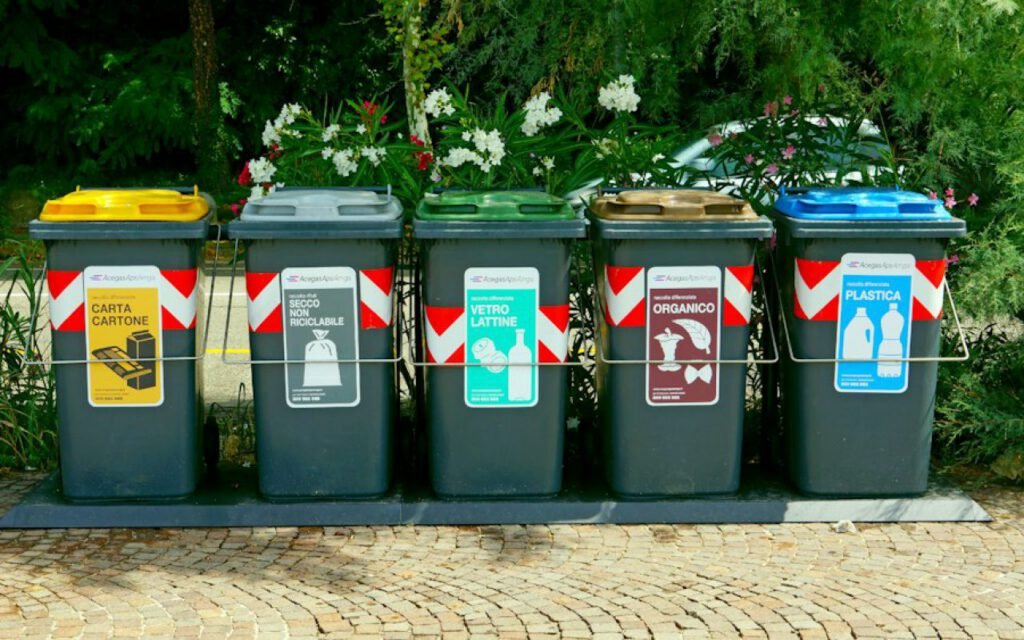
Glass is a good example of how much programs vary. Some cities collect it curbside along with everything else, some require it in a separate bin and others have stopped accepting it at the curb entirely, asking residents to bring bottles and jars to drop-off containers instead. Broken glass mixed with paper can make the paper harder to sell, which is one reason programs handle it so differently. The same goes for cartons, aerosol cans and aluminum foil. The only way to know is to check the rules where you live.
The trouble with wishcycling
Wishcycling is the habit of tossing something into the recycling bin in the hope that it will be recycled, even when you are not sure it is accepted. It comes from good intentions. Nobody wants to throw away something that might have a second life. But when an item is not accepted, it either gets pulled out and sent to a landfill anyway, or it slips through and contaminates a bale of otherwise good material.
The recycling symbol on a product, a number inside a triangle of arrows, often adds to the confusion. That number identifies the type of plastic resin. It does not guarantee that your local program accepts it. Many programs take certain bottles and jugs but not other containers made of the same type of plastic, because of how they are shaped or how they behave on sorting equipment.
Common contaminants
Recycling coordinators across the country tend to name the same culprits again and again:
- Plastic bags and film: usually not accepted curbside. Many grocery stores collect them separately.
- Tangled items: hoses, cords, string lights and wire hangers jam machinery.
- Food-soiled items: greasy pizza boxes and containers with food left inside.
- Batteries and electronics: a serious fire hazard that needs special drop-off.
- Small items: loose bottle caps, shredded paper and tiny pieces can fall through screens.
- Disposable coffee cups: many have a plastic lining that complicates recycling.
- Bagged recyclables: items tied up in a plastic bag often go straight to the trash, since workers cannot safely open them.
Clean and dry
Rinse containers and keep paper dry. That does not mean scrubbing every jar until it sparkles. A quick rinse to remove leftover food and liquid is usually enough. Shake out excess water so it does not soak paper in the bin. Empty bottles completely, and follow local guidance on whether to leave caps on or take them off, since programs differ.
Paper and cardboard should stay dry and as clean as possible. Flatten boxes so they take up less space and move easily through sorting lines. If part of a pizza box is greasy, tear off the clean top and recycle it, then put the greasy bottom in the trash or compost if your program accepts it.
A simple sorting routine at home
- Keep a recycling container right next to the kitchen trash so the right choice is just as easy.
- Post your city’s accepted list on the inside of a cabinet door or on the fridge.
- Rinse containers right after emptying them, while residue is still soft.
- Flatten cardboard boxes as soon as they are unpacked.
- Keep a separate bag or box for items that need special drop-off, such as batteries and plastic film.

When in doubt
Check your city’s guide instead of guessing. Most cities and counties publish an online list of accepted items, and many offer searchable tools or apps where you type in an item and get an answer. Some print a guide on the recycling cart lid or mail a flyer once a year. If you cannot find an answer, call your city’s solid waste department or your hauler. They field these questions every day.
Rules also change over time. As markets for materials shift and facilities upgrade their equipment, cities add some items and drop others. A list you memorized five years ago may be out of date, so it is worth taking a fresh look every year or two, especially after you move.
When there is truly no way to check, many recycling coordinators recommend a simple rule: when in doubt, throw it out. It feels counterintuitive, but one item in the trash does far less harm than a contaminated load at the sorting facility.
Beyond the blue bin
Plenty of items that do not belong in curbside recycling can still be kept out of the landfill. Many communities run collection events or permanent drop-off sites for household hazardous waste, electronics, paint and batteries. Some retailers take back plastic film, ink cartridges or rechargeable batteries. Donation centers welcome clothing, furniture and household goods in usable condition. A quick search for your city name plus the item usually turns up options.
Key takeaway: recycle fewer, cleaner items that your local program actually accepts. A smaller bin of the right materials does more good than a full bin of hopeful guesses.
Recycling is the last step
Recycling is valuable, but it works best as the final step after reducing and reusing. Buying products with less packaging, choosing refillable containers and repairing items instead of replacing them all mean less waste to sort in the first place. When something does need to go in the bin, a few seconds to check the local list, rinse it out and keep it dry ensures it has the best chance at a second life.
Take a few minutes this week to look up your city’s recycling guide. You may discover that a few items you have been tossing in the blue bin for years do not belong there, and a few you have been throwing away do. Either way, you will be helping your community’s recycling system work the way it was designed to.
Written by
Ben Okoro
Ben fits a month of trash in one jar and is very calm about it.
6Articles
2026Writing since
Read next
Everyday LivingComposting 101: Turning Scraps Into SoilCut food waste and feed your garden. Getting AroundBike Commuting: Getting Started in Your CityRoutes, gear and arriving not-too-sweaty.
 EnergyA Neighborhood Solar Co-op Signs Up Its 500th HomeBy buying panels together, homeowners are saving about 25 percent on installation.
 Everyday LivingReusable Swaps That Actually StickBags, bottles and containers — without the guilt.
 EnergyElectric Cars: Charging at Home, ExplainedLevel 1, Level 2 and what you actually need.
 Everyday LivingClothing Swaps: Refresh Your Closet for FreeBring five, take five, keep fashion out of landfills.
 EnergyHow Wind Farms Power Your HomeFrom breeze to grid to light switch.
 Everyday LivingCompost Bins Compared: Tumbler, Bin or Worms?Pick the right system for your space.
Thanks for explaining this so clearly.
Great reporting — please keep following this story.