


 Getting AroundBike Commuting: Getting Started in Your CityRoutes, gear and arriving not-too-sweaty.
Community Ana Flores6 min read
Planting Trees: Where It Helps Most
The right tree, in the right place, cared for over time.
Ana Flores6 min read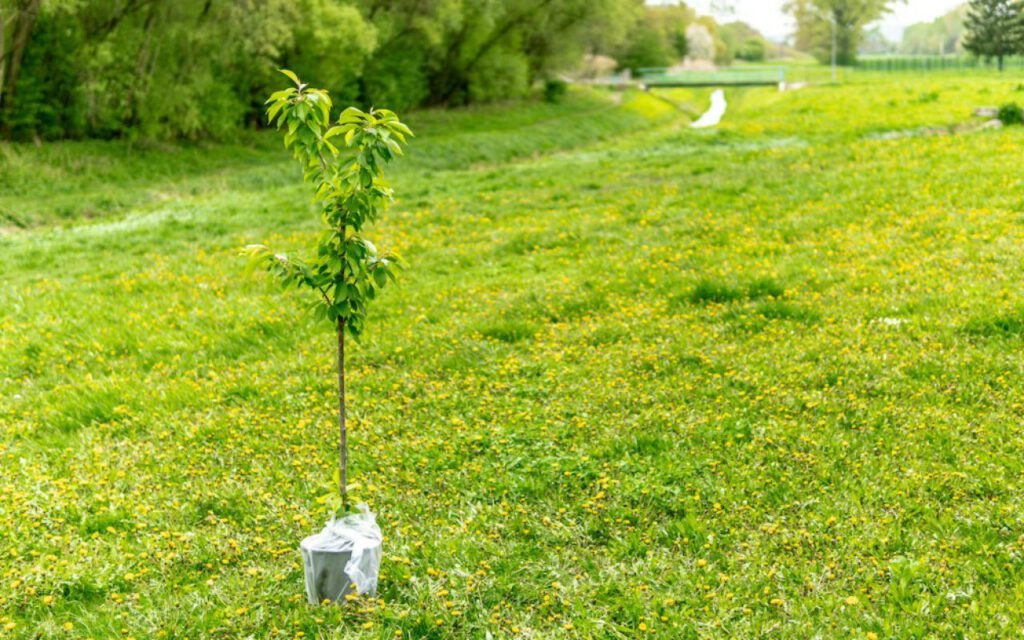
Trees shade streets, absorb rainwater and store carbon, when they survive and grow. That last part is easy to forget. Tree-planting events make for cheerful photos: volunteers in matching shirts, shovels in hand, a row of fresh saplings along a sidewalk. But a tree only delivers its benefits over decades, and many young trees never make it that far. They dry out in their first summer, get planted in the wrong spot or are damaged by mowers and string trimmers before their roots can take hold.
If you want to plant trees that matter, whether in your own yard, on your block or through a community program, the question is not only how many to plant. It is where to plant them, which species to choose and who will care for them in the years that follow. This guide looks at where trees help the most and what it takes to keep them alive long enough to make a difference.
Why trees are worth the effort
A mature shade tree is one of the hardest-working pieces of infrastructure in any neighborhood. Its canopy blocks sunlight from pavement and rooftops, which keeps streets and buildings cooler on hot afternoons. Its leaves release moisture into the air, adding a natural cooling effect. Its roots and the soil around them soak up stormwater that would otherwise rush into drains and creeks.
Trees also take carbon dioxide from the air and store carbon in their wood, roots and the surrounding soil. A single tree’s contribution is small compared with the emissions of a household, but healthy urban forests and woodlands add up across a city or region. They also provide habitat for birds and insects, buffer noise and, according to many residents, simply make a street feel more welcoming to walk.
Where trees help most
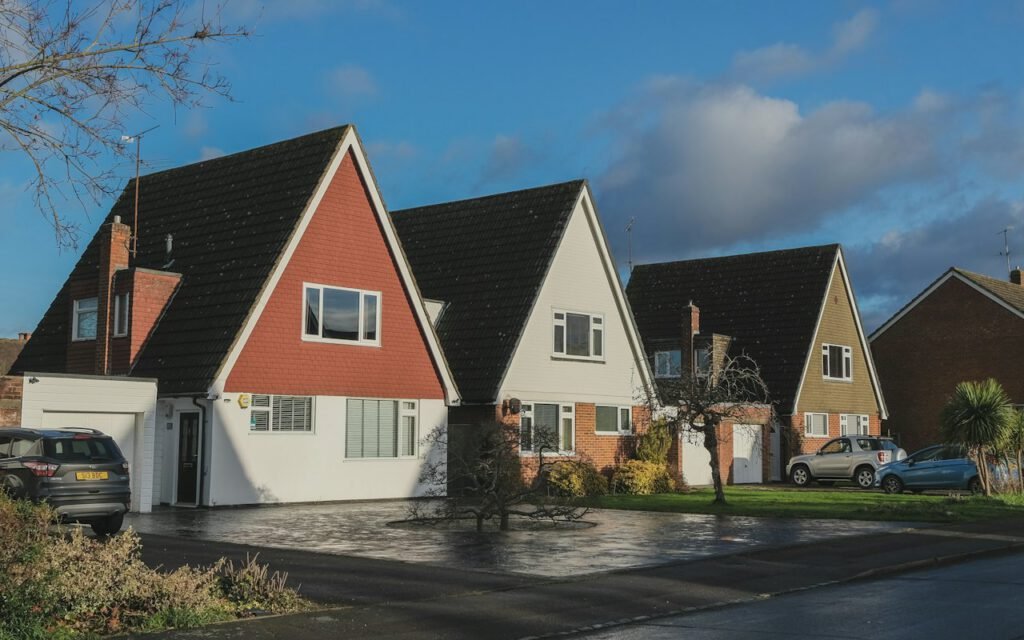
Not every planting location delivers the same benefits. Many city forestry departments and nonprofit groups use canopy maps to identify neighborhoods with the fewest trees and the hottest summer temperatures. In many American cities, those are often lower-income areas and places with lots of pavement, parking lots and industrial buildings. Planting there can have an outsized effect on comfort and health during heat waves.
On a smaller scale, placement around a single house matters too. Here are some spots where a tree tends to do the most good:
- West and south sides of a home: shade from these directions can cool walls and windows during the hottest part of the day.
- Over pavement: trees shading driveways, parking areas and sidewalks reduce the heat those surfaces absorb.
- Along streets and paths: street trees make walking and biking more comfortable and can calm traffic.
- Near low spots or slopes: roots help slow runoff and hold soil in place.
- School yards and playgrounds: shade gives kids a cooler place to play.
Keep safety and structure in mind as well. Give trees plenty of distance from foundations, septic systems and underground utilities, and avoid planting tall species beneath overhead power lines. Before digging, contact your local utility-locating service, usually by calling 811, to have underground lines marked.
Right tree, right place
Native species suited to local conditions usually do best. Trees that evolved in your region are adapted to its rainfall, soil and temperature swings, and they support local wildlife that depends on them. A tree that thrives in the Pacific Northwest may struggle through a Phoenix summer, and the reverse is just as true.
Beyond native status, think about the tree’s mature size. A sapling that fits neatly in a small yard today may grow 60 feet tall and 40 feet wide. Choose a species whose full-grown size fits the space without constant pruning. Consider whether you want shade in summer and sun in winter, which deciduous trees provide, or year-round screening from evergreens.
Questions to ask before you choose
- How tall and wide will this tree be in 20 or 30 years?
- Does the site get full sun, partial shade or deep shade?
- Is the soil heavy clay, sandy or rocky, and does it drain well?
- Is the species prone to pests or diseases in my area?
- Will roots have enough room to spread without damaging pavement?
Local nurseries, county extension offices and city forestry staff can recommend species that fit those answers. Planting a mix of species across a neighborhood also protects the canopy if a single pest or disease strikes one type of tree.
Planting is the start. Watering is the job.
Urban forester (fictional)
Care matters
Young trees need water and care for their first few years. This is where many planting efforts fall short. A newly planted tree has only a small root ball, and until those roots spread into the surrounding soil, it depends heavily on regular watering, especially during dry spells.
Planting it right
Dig a hole about two to three times as wide as the root ball but no deeper. The root flare, where the trunk widens at the base, should sit at or slightly above ground level. Planting too deep is one of the most common mistakes and can slowly suffocate the roots. Remove burlap, wire baskets and twine from around the trunk, backfill with the native soil and water thoroughly to settle it.
The first few years
Many forestry programs recommend deep, slow watering once or twice a week during the growing season for the first couple of years, adjusted for rainfall and local conditions. A slow-release watering bag or a hose left at a trickle helps water reach deep roots. Spread a wide ring of mulch two to three inches deep, keeping it a few inches away from the trunk. Protect the trunk from mowers and string trimmers, which can cause serious damage in seconds.
Light structural pruning in the early years, guided by a certified arborist if possible, helps the tree develop a strong form. Avoid heavy pruning or topping, which weakens trees and invites disease.
Key takeaway: the most valuable trees are not simply planted. They are carefully placed, well matched to their site and watered faithfully until they can stand on their own.
How communities keep trees alive
Some of the most successful urban tree programs pair planting with long-term care. Volunteers adopt a tree and commit to watering it through its first summers. Neighborhood groups organize watering schedules and send reminders during heat waves. Some cities provide free trees to residents who agree to plant them in a designated spot and care for them.
A tree-planting group in one Midwestern city, the fictional Elm Street Canopy Project, started tagging every new tree with a small card listing its species, planting date and the household that adopted it. Organizers say neighbors began checking on each other’s trees, and survival rates improved noticeably after the first year. Simple ideas like that help turn a one-day event into a lasting commitment.
Plant for the long run
The best time to plant a tree, the old saying goes, was 20 years ago. The second-best time is now. But the real work happens after the photo is taken. If you plant a tree this season, choose the spot with care, pick a species that belongs there and set a reminder to water it all summer. Do that, and in a few decades someone you may never meet will be grateful for the shade.

Written by
Ana Flores
Ana covers the neighbors planting trees, cleaning beaches and building gardens.
4Articles
2026Writing since
Read next
Getting AroundBike Commuting: Getting Started in Your CityRoutes, gear and arriving not-too-sweaty.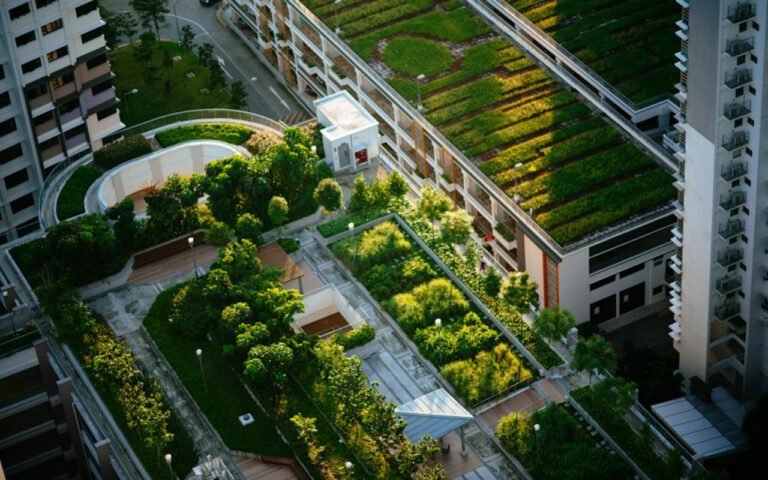 CommunityRooftop Gardens Are Cooling CitiesGreen roofs, shade and fewer heat islands.
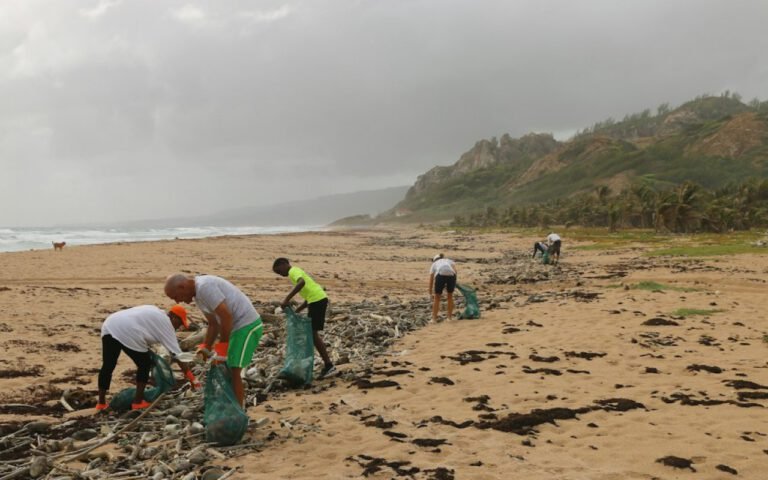 CommunityBeach Cleanups: How to Join (or Start) OneGloves, bags and data that helps scientists.
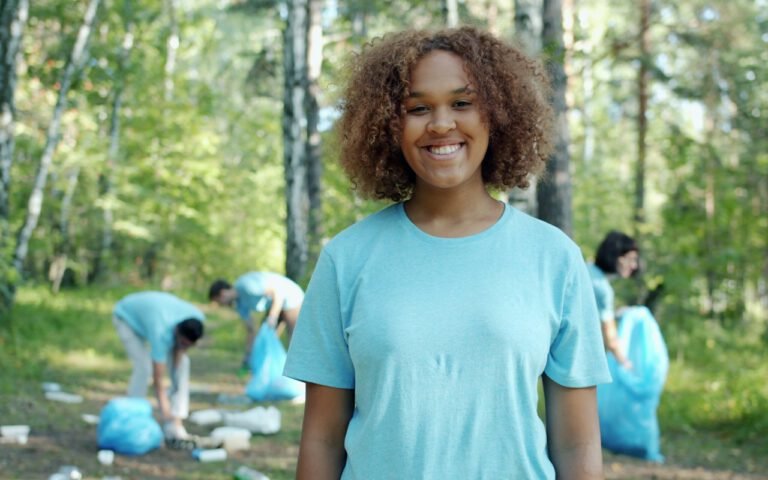 CommunityCommunity Gardens Grow More Than FoodNeighbors, shade and fresh produce.
 Everyday LivingSaving Rainwater for Your GardenRain barrels, mosquito screens and simple setups.
 CommunityClimate Anxiety: Turning Worry Into ActionFeel it, share it, then pick one thing to do.
2 Comments
Sharing this with my friends.
Saved this one for later. Really useful.