


 Everyday LivingComposting 101: Turning Scraps Into SoilCut food waste and feed your garden.
Community Ana Flores6 min read
Community Gardens Grow More Than Food
Neighbors, shade and fresh produce.
Ana Flores6 min read

Written by
Ana Flores
Ana covers the neighbors planting trees, cleaning beaches and building gardens.
4Articles
2026Writing since
Three summers ago, the corner lot at the end of a quiet block in Columbus, Ohio, was a fenced rectangle of gravel, broken glass and one stubborn sumac tree. Today it holds twenty-four raised beds, a tool shed painted sunflower yellow, two picnic tables and a waiting list that runs to the end of the street. Community gardens turn empty lots into shared green spaces, and stories like this one are happening in cities and small towns across the country. But talk to the people who tend them and you will quickly learn that the tomatoes are almost a side benefit.
At Greenline, we spent the growing season visiting gardens and talking with the volunteers who keep them going. What we heard again and again is that a community garden grows connection, shade, skills and a sense of ownership over the place you live. Here is what makes these spaces so valuable, and how you can find, join or help build one near you.
More than vegetables
Yes, gardens produce food. A well-tended raised bed can supply a household with salad greens, herbs, beans and tomatoes for much of the summer, and many gardens set aside plots to grow produce for local food pantries. In neighborhoods without a full-service grocery store nearby, that fresh food matters.
But gardeners are quick to point out what happens around the beds. Gardens build friendships and give kids a place to learn. Neighbors who lived on the same block for years without speaking end up trading zucchini and advice over the fence. Retirees teach teenagers how to save seeds. Families who just moved to town find a ready-made group of people who are happy to see them every Saturday morning.
A garden is a community you can eat.
Marisol Benton, garden coordinator (fictional)
Benton runs a forty-plot garden behind a former elementary school, and she says the social side is what keeps people coming back long after the novelty of their first harvest wears off. “People sign up for the vegetables,” she told us. “They stay for each other.”
Shade, soil and cooler blocks
Community gardens also do quiet work for the climate and for the neighborhood. Paved lots and bare gravel soak up heat all day and release it at night, which is one reason city blocks can feel noticeably warmer than nearby parks. Plants, trees and healthy soil help cool things down through shade and the water they release into the air.
Gardens can also help with stormwater. Soil rich in compost absorbs rain that would otherwise run off pavement into storm drains, carrying oil and litter with it. Many gardens add rain barrels, mulched paths and pollinator borders that support bees, butterflies and birds.
Then there is the waste side. Many community gardens run shared compost bins where members, and sometimes neighbors, can drop off kitchen scraps. Instead of heading to a landfill, those coffee grounds and carrot peels turn into rich soil for next year’s beds. It is a small, visible loop that helps people see how their daily habits connect to the ground beneath them.
A classroom without walls
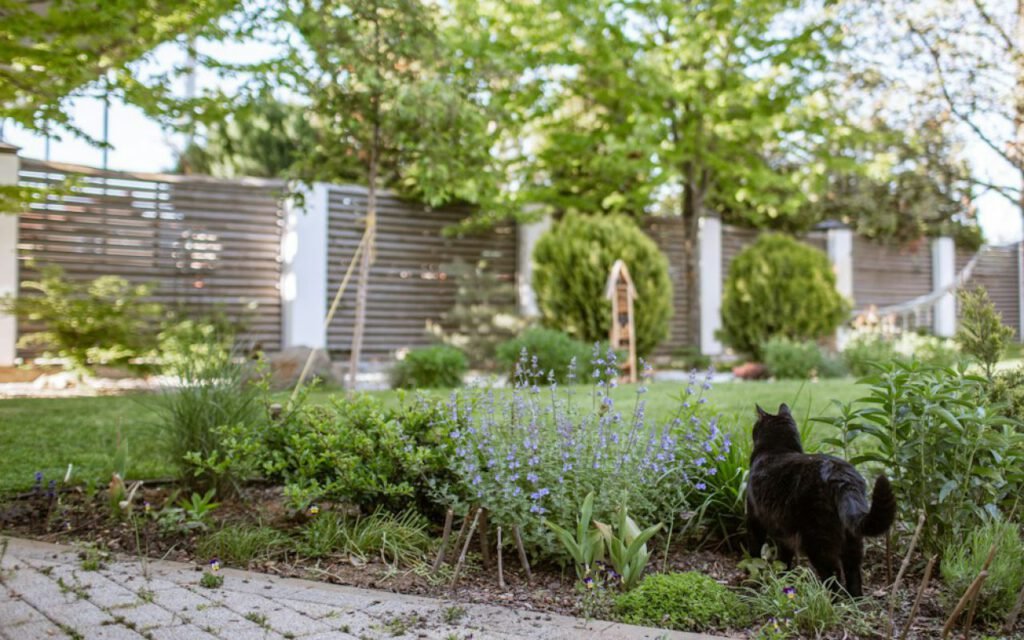
Ask any garden coordinator about their favorite moments and many will tell you about kids. A garden is one of the few places where a seven-year-old can dig, plant, wait, water and finally pull a carrot out of the ground and eat it. Children who would never touch a green vegetable at the dinner table will happily munch on snap peas they grew themselves.
Many gardens partner with schools, after-school programs and libraries to offer hands-on lessons. Topics range from basic plant biology to measuring rainfall, counting pollinators and cooking simple meals with the harvest. Adults learn too. Workshops on pruning, seed starting, canning and composting are common, and they are often taught by longtime members who are delighted to share what they know.
Skills spread in less formal ways as well. You learn how to deal with squash bugs by watching your neighbor do it. You learn which tomato varieties handle a humid July by tasting what the person in plot twelve grew. A community garden is, in a real sense, a library of local knowledge.
Get involved
If all of this sounds appealing, you have plenty of options. Many gardens have waitlists, and volunteering is a great way in. Here are a few ways to start:
- Find gardens near you. Check your city’s parks department, local extension office, libraries and neighborhood associations. Greenline’s community action calendar also lists open garden workdays.
- Volunteer on workdays. Most gardens hold regular group days for weeding, mulching, building beds and maintaining shared areas. Showing up is the best way to meet members and learn how the garden runs.
- Put your name on the list. Plot waitlists move as people relocate or step back. Being a familiar face from workdays never hurts.
- Offer your skills. Gardens need more than gardeners. They need people who can build things, write grants, manage email lists, keep books or translate flyers.
- Share a plot. Some gardens allow two households to split a bed, which cuts the waiting time and the workload.
- Donate supplies. Extra tools, seeds, buckets and untreated lumber are almost always welcome.
Plot fees vary. Some gardens charge a modest seasonal fee to cover water and supplies, while others offer free or sliding-scale plots. If cost is a concern, ask. Most coordinators work hard to keep gardens open to everyone.

Starting a garden from scratch
No garden nearby? A group of committed neighbors can start one. It takes patience and planning, but the path is well worn. Here is the general process many groups follow:
- Gather a core team. Five to ten dedicated people can carry the early work.
- Find a site. Look for a sunny lot with access to water. Vacant city land, church grounds, schoolyards and hospital campuses are common options.
- Get permission in writing. A simple lease or use agreement with the landowner protects everyone.
- Test the soil. Your local extension office can explain how to test for nutrients and contaminants. Raised beds with fresh soil are a common solution on urban lots.
- Write simple rules. Cover plot assignments, shared chores, organic practices and what happens if a plot is abandoned.
- Build in stages. Start with a few beds and a water source, then add paths, compost and a shed as you grow.
Key takeaway: You do not need a green thumb to join a community garden. You need a little time, a willingness to learn and the patience to wait for your turn at a plot.
Roots that last
Back on that Columbus corner, the sumac tree is still there. Gardeners decided to keep it, and it now shades a bench where older members rest between chores and kids sort through the day’s strawberries. On a warm evening in August, you might find a dozen people there at once, some working, some just talking, a few kids chasing each other between the beds.
That scene is the real harvest. A community garden is a place where climate action feels tangible and close to home, where neighbors become friends and where the work of caring for a small patch of earth gives people a reason to show up for each other. Find one near you this season, sign up for a workday and see what grows.
Written by
Ana Flores
Ana covers the neighbors planting trees, cleaning beaches and building gardens.
4Articles
2026Writing since
Read next
Everyday LivingComposting 101: Turning Scraps Into SoilCut food waste and feed your garden. CommunityPlanting Trees: Where It Helps MostThe right tree, in the right place, cared for over time.
 CommunityRooftop Gardens Are Cooling CitiesGreen roofs, shade and fewer heat islands.
 Everyday LivingReusable Swaps That Actually StickBags, bottles and containers — without the guilt.
 EnergyYour Home’s Biggest Energy WinsInsulation, sealing drafts and smart thermostats.
 CommunityBeach Cleanups: How to Join (or Start) OneGloves, bags and data that helps scientists.
 Everyday LivingSaving Rainwater for Your GardenRain barrels, mosquito screens and simple setups.
 Everyday LivingClothing Swaps: Refresh Your Closet for FreeBring five, take five, keep fashion out of landfills.
 EnergyEating for the Planet: Small Swaps, Big ImpactMore plants, less waste, seasonal when you can.
Start the conversation