 Getting AroundBike Commuting: Getting Started in Your CityRoutes, gear and arriving not-too-sweaty.
Community Ana Flores6 min read
Rooftop Gardens Are Cooling Cities
Green roofs, shade and fewer heat islands.
Ana Flores6 min readRead next
Getting AroundBike Commuting: Getting Started in Your CityRoutes, gear and arriving not-too-sweaty. CommunityPlanting Trees: Where It Helps MostThe right tree, in the right place, cared for over time.
 CommunityBeach Cleanups: How to Join (or Start) OneGloves, bags and data that helps scientists.
 CommunityCommunity Gardens Grow More Than FoodNeighbors, shade and fresh produce.
 Everyday LivingSaving Rainwater for Your GardenRain barrels, mosquito screens and simple setups.
 CommunityClimate Anxiety: Turning Worry Into ActionFeel it, share it, then pick one thing to do.
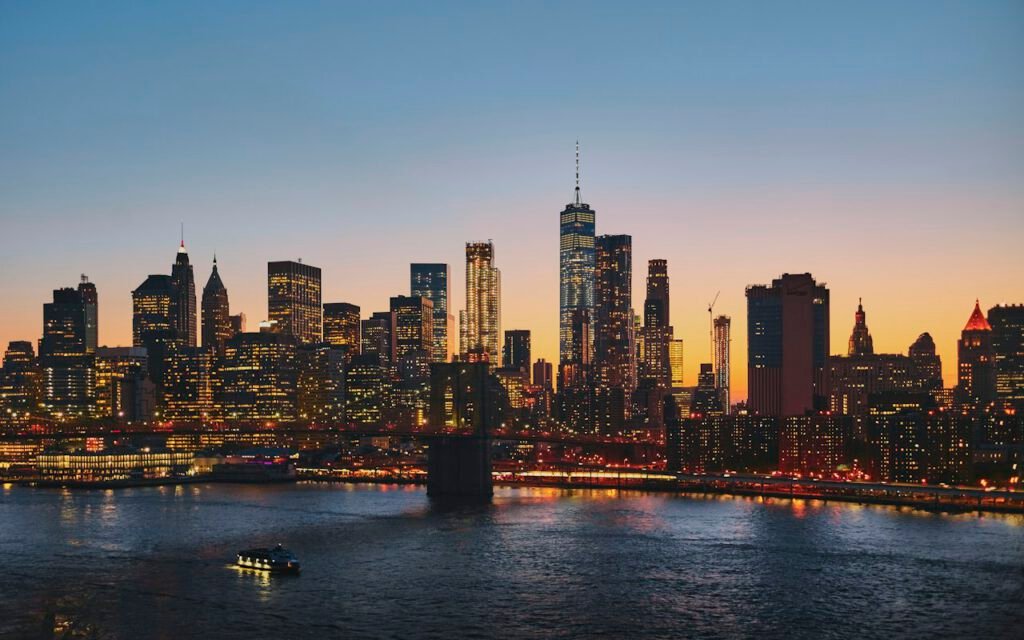
Green roofs can help cool buildings and soak up rainwater in dense cities. Look down from the top floor of an office tower in many American downtowns and you will see a patchwork of black tar, gray gravel and silver mechanical units baking in the sun. Here and there, though, a different kind of rooftop is appearing: carpets of hardy plants, rows of vegetable beds, small meadows buzzing with bees. These living roofs are turning wasted space into something useful, and they may help cities cope with hotter summers and heavier storms.
This article looks at why cities run hot, what green roofs actually do and how some rooftops are now growing food for the neighborhoods below. It also covers what building owners and residents should know before trying a garden in the sky.

Urban heat
Dark roofs and pavement absorb heat, making cities warmer than surrounding areas. Scientists call this the urban heat island effect. Asphalt, concrete, brick and dark roofing soak up sunlight during the day and release that heat slowly into the evening. Add the waste heat from cars, air conditioners and industry, plus a shortage of trees and open land, and city centers can stay noticeably warmer than nearby suburbs and countryside, especially at night.
That extra heat is more than an inconvenience. It drives up air conditioning use, which raises energy bills and emissions. It can worsen air quality. And during heat waves, it can be dangerous for older adults, young children, outdoor workers and people without reliable cooling. Many cities now treat heat as a public health issue and are looking for ways to bring temperatures down block by block.
How green roofs work
A green roof is a layered system built on top of a waterproof roof. From the bottom up, it typically includes a root barrier to protect the roof membrane, a drainage layer that lets excess water flow away, a filter fabric that keeps soil in place, a lightweight growing medium and finally the plants themselves.
Extensive and intensive roofs
Green roofs generally come in two broad styles. Extensive roofs have a thin layer of growing medium, often just a few inches deep, planted with tough, low-growing species such as sedums and native grasses. They are relatively light, need little maintenance and are often not meant for regular foot traffic. Intensive roofs have deeper soil and can support shrubs, small trees, lawns and vegetable gardens. They are heavier, cost more and need regular care, but they can function like true rooftop parks.
The benefits
- Cooler roofs: plants and moist soil shade the roof surface and cool it through evaporation, which can reduce heat entering the building below.
- Stormwater control: the growing medium soaks up rain and releases it slowly, easing pressure on city sewers during storms.
- Longer roof life: the plant layer shields the waterproof membrane from sun, temperature swings and wear.
- Habitat: flowering plants provide food for bees, butterflies and birds in places that otherwise have little green space.
- Quieter interiors: the extra mass of soil and plants can help muffle outside noise.
Plant choice is crucial. Rooftops are harsh places, with full sun, strong winds, shallow soil and wide temperature swings. Sedums are popular because they store water in their fleshy leaves and survive long dry spells. Many designers now mix in native grasses and wildflowers adapted to the local climate, which can provide more habitat and a more natural look. Irrigation is often added during establishment and dry periods, though some extensive roofs are designed to survive mostly on rainfall once plants mature.
One green roof will not cool a whole neighborhood on its own. The effect grows as more buildings take part, which is why several large American cities now encourage green or reflective roofs through building codes, permit incentives or stormwater fee credits.
Every green roof is a small park in the sky.
Our climate editor
Community gardens
Some rooftops also grow food for neighbors. Across the country, schools, hospitals, restaurants and apartment buildings are planting raised beds on their roofs. Tomatoes, peppers, greens, herbs and beans thrive in the full sun many rooftops receive, and the harvest often goes straight downstairs.

At the fictional Riverside Commons apartments, a mid-size building in a Midwestern city, residents converted part of the roof into two dozen shared garden plots. A volunteer garden committee manages a sign-up list, organizes watering shifts and hosts a harvest potluck each fall. Extra produce goes to a food pantry a few blocks away. Residents say the garden has become a social hub, where neighbors who rarely spoke in the elevator now trade seedlings and recipes.
“People told us nobody would climb six flights to water tomatoes,” said Denise Carver, who chairs the garden committee. “Now we have a waiting list for plots, and the roof is the busiest place in the building on summer evenings.” The committee keeps costs low by sharing tools, buying soil in bulk and saving seeds from one season to the next.
Rooftop farms also serve as outdoor classrooms. Students can learn about soil, pollination, water and nutrition a few floors above their desks. Some programs offer job training in urban agriculture and landscape maintenance.
Before you build
A rooftop garden is not as simple as hauling bags of soil upstairs. Wet soil is heavy, and roofs are designed to carry only certain loads. Any green roof or rooftop garden project should begin with a structural engineer or qualified professional who can confirm what the roof can safely support.
Key questions to answer first
- Can the roof structure carry the weight of saturated soil, plants, people and planters?
- Is the waterproof membrane in good shape, and how old is it?
- How will water drain, and is there access to a water source for irrigation?
- Are there safe access points, railings and walkways for people?
- What permits and building code requirements apply in your city?
- Who will maintain the plants, and what will that cost each year?
For renters and homeowners without a suitable roof, container gardens on balconies and patios offer some of the same benefits on a smaller scale. A few planters of herbs or native flowers will not cool a city, but they add green, support pollinators and make a small space more pleasant.
Light-colored or reflective roofing is another option when a full green roof is not practical. These cool roofs reflect more sunlight and can reduce heat gain in the building below at a lower cost. Some buildings combine approaches, pairing a reflective membrane on most of the roof with a smaller garden area where people gather, or adding solar panels above planted sections, where the cooler plants can help the panels run efficiently.
Key takeaway: green roofs cool buildings, slow stormwater and create habitat, but they require careful engineering and ongoing care to succeed.
Greening the skyline
As summers grow hotter and storms grow heavier, cities are looking up. Each green roof turns an overlooked surface into something that shades, absorbs, feeds and connects. The change is gradual, one building at a time, but from the top floor of a downtown tower, the patchwork is already starting to look a little greener. If your building, school or workplace has a flat roof, it may be worth asking what it could become.

Written by
Ana Flores
Ana covers the neighbors planting trees, cleaning beaches and building gardens.
4Articles
2026Writing since


Start the conversation