



 Everyday LivingComposting 101: Turning Scraps Into SoilCut food waste and feed your garden.
Everyday Living Eli Rivers6 min read
Saving Rainwater for Your Garden
Rain barrels, mosquito screens and simple setups.
Eli Rivers6 min read

Written by
Eli Rivers
Eli covered energy for a decade and now writes about the solutions that are already working.
7Articles
2026Writing since
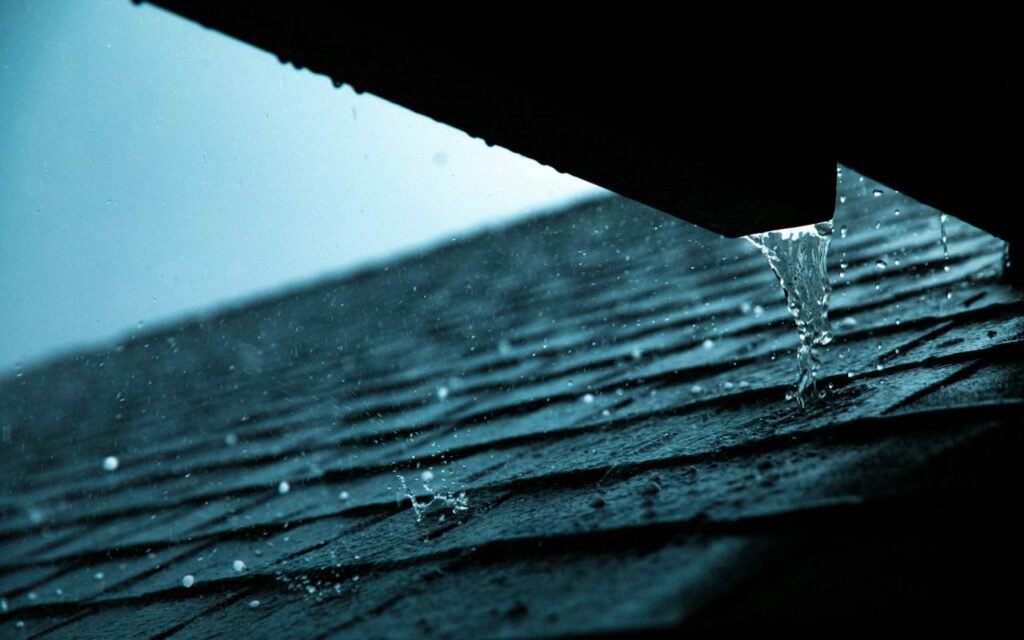
Stand under a downspout during a summer thunderstorm and you will understand the appeal of a rain barrel in about ten seconds. Water pours off the roof in a thick rope, splashes across the driveway and disappears down the storm drain, all while your tomato plants sit a few feet away, waiting for the next time you drag out the hose. A rain barrel collects water from your roof to use in the garden. It is one of the simplest climate-friendly upgrades a household can make, and it pays you back every time the sky opens up.
Greenline readers ask us about rain barrels more than almost any other home project. They want to know how much water they can really save, whether the setup is complicated, what to do about mosquitoes and whether it is even allowed where they live. This guide answers all of that, with simple steps you can finish in an afternoon.
Why rainwater is worth catching
Roofs shed a surprising amount of water. As a rough rule of thumb, every inch of rain on 1,000 square feet of roof produces around 600 gallons of runoff. Even a modest storm can fill a standard 50-gallon barrel in minutes. Over a growing season, a single barrel can supply a meaningful share of what a vegetable bed or a row of flower pots needs.
Saving that water does a few good things at once. It lowers the amount of treated tap water you use outdoors, which can trim your summer water bill. It reduces the stormwater rushing off your property, which helps ease pressure on local drains and keeps some pollutants out of creeks and rivers. And it gives you a backup supply during dry spells, when some towns limit lawn and garden watering.
There is also the matter of what your plants prefer.
Plants love rainwater more than tap water.
Our climate editor
Rainwater is naturally soft and free of the chlorine often added to municipal water. Many gardeners notice that containers, seedlings and acid-loving plants like blueberries seem to do especially well with it. It is also usually close to air temperature, which is gentler on roots than an icy blast from the hose.
Choosing a barrel
You can buy a ready-made rain barrel from a garden center or hardware store, or build one from a food-grade drum. Either way, look for these features:
- Size: 50 to 60 gallons is the most common. If you have room and a big garden, you can link two or more barrels together.
- Opaque material: Dark or opaque plastic blocks sunlight, which keeps algae from growing inside.
- A tight-fitting lid with a screen: This is the most important feature, and we will come back to it.
- A spigot near the bottom: This lets you fill a watering can or attach a short hose.
- An overflow outlet: When the barrel is full, extra water needs somewhere safe to go.
If you build your own, use only food-grade containers that have never held chemicals, and rinse them well. Many cities and water utilities also hold barrel sales or workshops where you can pick one up at a discount.
Cover it
The single biggest mistake with rain barrels is leaving them open. Standing water is an invitation to mosquitoes, which can lay eggs in still water and hatch within about a week in warm weather. A screen keeps out mosquitoes and debris, and it is non-negotiable.
Most commercial barrels come with a fine mesh screen built into the lid. If yours does not, cover the opening with a fine window screen held firmly in place, and check that there are no gaps around the downspout. Inspect the screen a few times each season, especially after storms, and clear out leaves and twigs so water can flow in freely.
A few other habits help keep your barrel clean:
- Install gutter guards or a leaf filter on the downspout to reduce debris.
- Use the water regularly so it does not sit for weeks at a time.
- Rinse out the barrel once or twice a year to remove sediment.
- Keep the lid secured so children and pets cannot get inside.
Rain barrel water is intended for watering plants and outdoor cleaning. It is not safe for drinking, cooking or bathing without proper treatment. Many gardeners also prefer to water edible plants at the soil level rather than over the leaves. If you have questions about using collected rainwater on vegetables, your local extension office can offer guidance specific to your area.
A simple setup, step by step
Installing a basic rain barrel is a beginner-friendly weekend project. Here is the usual process:
- Pick the right downspout. Choose one near your garden that drains a good section of roof.
- Build a stable base. A full 55-gallon barrel weighs more than 400 pounds, so set it on level, solid ground. Concrete blocks or a sturdy stand work well and raise the barrel high enough to fit a watering can under the spigot.
- Cut the downspout. Measure where the top of the barrel will sit and cut the downspout a few inches above it with a hacksaw. Add a flexible elbow to direct water into the barrel’s screened opening, or install a diverter kit.
- Connect the overflow. Attach a hose or pipe to the overflow outlet and direct it at least several feet away from your foundation, ideally toward a lawn, rain garden or planting bed.
- Test it. Run a garden hose onto the roof or wait for the next rain, then check for leaks and make sure the overflow drains away from the house.
If you are not comfortable cutting gutters or working on a ladder, a local handyman or gutter company can do the installation quickly. Safety first, always.
Check local rules
Before you buy, take ten minutes to look up the rules where you live. Some areas have rules or rebates for rainwater collection. In most of the country, residential rain barrels are encouraged. But a few Western states have historically limited how much rainwater homeowners can store, because of how water rights work there. Homeowners associations may also have rules about where barrels can sit or what they look like.
The flip side is that many cities, counties and water utilities actively want you to collect rain. They may offer discounted barrels, rebates on purchases, free installation workshops or credits on stormwater fees. Check your water utility’s website, your city’s sustainability or public works office and your local extension service.
Key takeaway: A covered, well-placed rain barrel is cheap, easy to install and good for both your plants and your local waterways. Screen it, use it and check your local rules first.
Small barrel, bigger picture
One rain barrel will not end a drought or fix a city’s stormwater system. But rain barrels are a good example of how household climate action adds up. When thousands of homes in a watershed slow down and soak up their own runoff, creeks flood less, storm drains carry less pollution and summer water demand eases a little.
They also change how you think about weather. Once you have a barrel, a rainy forecast stops being an inconvenience and starts feeling like a delivery. You find yourself checking the water level after storms and planning which beds to water first. That small shift, from wasting a resource to valuing it, is exactly the kind of habit that makes a home a little more resilient. Set one up this season, and let the next storm do some of your gardening for you.
Written by
Eli Rivers
Eli covered energy for a decade and now writes about the solutions that are already working.
7Articles
2026Writing since
Read next
Everyday LivingComposting 101: Turning Scraps Into SoilCut food waste and feed your garden. Getting AroundBike Commuting: Getting Started in Your CityRoutes, gear and arriving not-too-sweaty.
 CommunityPlanting Trees: Where It Helps MostThe right tree, in the right place, cared for over time.
 CommunityRooftop Gardens Are Cooling CitiesGreen roofs, shade and fewer heat islands.
 Everyday LivingReusable Swaps That Actually StickBags, bottles and containers — without the guilt.
 EnergyYour Home’s Biggest Energy WinsInsulation, sealing drafts and smart thermostats.
 CommunityBeach Cleanups: How to Join (or Start) OneGloves, bags and data that helps scientists.
 CommunityCommunity Gardens Grow More Than FoodNeighbors, shade and fresh produce.
 Everyday LivingClothing Swaps: Refresh Your Closet for FreeBring five, take five, keep fashion out of landfills.
Start the conversation