From Script to Screen: Our Short Film Process
Eight weeks, five stages, one small film.
 Theo Grant6 min read
Theo Grant
Theo has visited more than 300 houses for the magazine and still gets excited about a good window seat.



Every short film we make follows the same five stages. It does not matter whether it is a two-minute experiment or a twenty-minute drama headed for festivals. Having a clear process gives a small team structure, protects the budget and, most importantly, leaves space for creativity where it matters. Here’s the timeline for our latest, a fictional ten-minute drama about a night-shift nurse in Chicago who spends one long winter night caring for a stranger who reminds her of her late father. Eight weeks, five stages, one small film.
I share this process because so many emerging filmmakers ask how a short film actually gets made, step by step. There is no single right way, and every director develops their own habits over time. But this is the rhythm that works for my team, refined over a decade of commercials, music videos and short films.
Weeks 1–3: script and preparation
Script, storyboards, casting and locations. The first three weeks are the most important of the whole project, even though no camera rolls. Every hour spent here saves several hours on set and in the edit.
The script
We started with a twelve-page draft and spent the first week cutting it to ten. Short films live or die by economy. Every scene must earn its place, and every line of dialogue must do at least two jobs: move the story forward and reveal something about a character. We did three table reads with friends and actors, rewriting after each one. By the end of the first week, the script was lean and clear.
A short film is a long film that respects your time.
Theo Grant, director
Storyboards and shot list
In week two, the cinematographer and I worked through every scene, drawing simple storyboards and building a detailed shot list. The boards were rough, stick figures and arrows mostly, but they let us agree on the visual language before we arrived on set. We decided on a mostly handheld camera, with a few slow, steady moves reserved for the film’s quietest moments.

Casting and locations
Casting overlapped with storyboarding. We held two rounds of auditions and found our lead, a stage actor with a remarkable stillness on camera, in the second round. For locations, we needed a hospital corridor, a patient room and a small apartment. A community health center agreed to let us film in an unused wing over a weekend, which was a huge gift for a production our size. We visited every location at night, the time we would shoot, to check light, noise and power.
Weeks 4–8: shoot and post-production
Three shoot days, five weeks of editing, color and sound. This stage moves fast at first and then slows down as the film takes shape.
Three shoot days
We shot over three consecutive nights, a Friday, Saturday and Sunday, with a crew of twelve. Each night ran about ten hours. Because we had planned every shot in advance, we could move quickly without rushing the actors. On the second night, we added a scene that was not in the script: our lead simply sitting in the empty break room, eating a vending-machine sandwich. It took twenty minutes to shoot and became one of the most talked-about moments in early screenings.
Five weeks of post
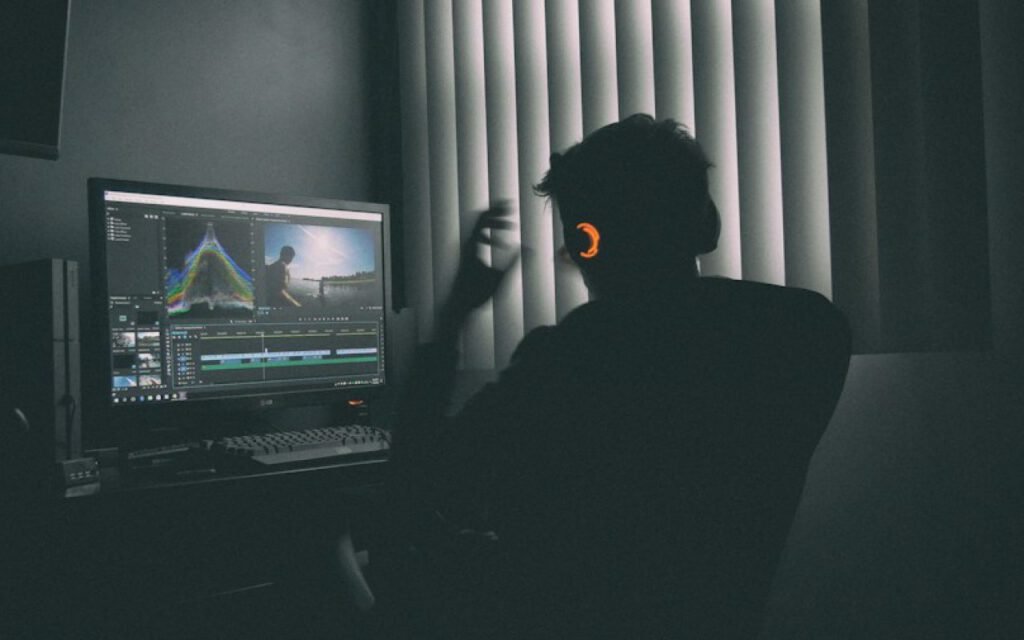
The edit took three weeks, starting with a long assembly and ending with a tight cut of just under ten minutes. The final two weeks were for color and sound, which ran partly in parallel. Our colorist gave the hospital a slightly cool, tired look, while the apartment scenes were warmer and softer. Our sound designer built a quiet world of beeping monitors, distant footsteps and winter wind against the windows. A local composer wrote a short, restrained score for solo piano.
Key takeaway: on a short film, preparation is the cheapest place to solve problems. Post-production is the most expensive.
The five stages
Here is the full process at a glance. Every short film we make moves through these same stages, though the time spent in each one changes from project to project:
- Script and storyboards. Writing, rewriting and planning the visual language.
- Casting and locations. Finding the right faces and the right spaces.
- Three shoot days. Capturing the film with a small, prepared crew.
- Edit, color and sound. Building the story, the mood and the world.
- Festival submissions. Sharing the film with audiences and programmers.
After the edit: festivals
The fifth stage starts once the film is finished, and it can last a year or more. Festival submissions take careful planning. Each festival has its own deadlines, fees, premiere rules and technical requirements. Before submitting, we prepared a simple festival kit:
- A final export in the formats festivals commonly request
- Subtitle files in English and, where useful, Spanish
- A one-line logline and a short synopsis
- Director’s statement and short biographies for key crew
- A handful of high-quality still images and a poster
- A private screening link for programmers
We built a spreadsheet of festivals that fit the film’s tone and length, sorted by deadline and premiere requirements. Some festivals want world premieres, so the order you submit in matters. We chose a mix of larger competitive festivals and smaller regional ones known for supporting new voices. Rejections are part of the journey; every filmmaker gets far more of them than acceptances. What matters is finding the audiences who connect with the work.
Budget and time tips
Short films rarely make money, so every dollar should go where it shows on screen or protects the people making it. On this film, our biggest costs were the crew, food, equipment rental and post-production sound. We saved by keeping the cast small, shooting at a donated location and working with collaborators who believed in the story.
We also asked for help in ways that cost nothing but a thank-you. A local bakery donated breakfast on the first night in exchange for a credit. A film school lent us a set of practical lamps. Two former crew members volunteered as production assistants because they wanted to see how a short came together from start to finish. Every one of those people is listed in the end credits, and every one of them received an invitation to our first screening. Generosity is a big part of independent filmmaking, and it only keeps flowing if you return it.
Time is just as valuable as money. Building in buffer days between stages gave us room to rest and think. After the first cut, we took a full week off before watching it again. That distance helped us see the film more clearly, and we made our best editing decisions after that break.
Small film, big lessons
Eight weeks, five stages, one small film. Every short teaches me something new, and this one reminded me how much a clear process frees you to be creative. When the schedule, budget and roles are settled, everyone can focus on the work that matters: performances, images and story. If you are making your first short, start with the script, respect the preparation stage and give yourself time in post. The rest will follow, one stage at a time.
Theo Grant
Theo has visited more than 300 houses for the magazine and still gets excited about a good window seat.


