



 CampingYour First Camping Trip: A No-Stress ChecklistTent, sleep system, kitchen and a backup plan.
Hiking Cal Brooks6 min read
Leave No Trace: Seven Principles Every Hiker Should Know
Plan ahead, pack it out, respect wildlife.
Cal Brooks6 min read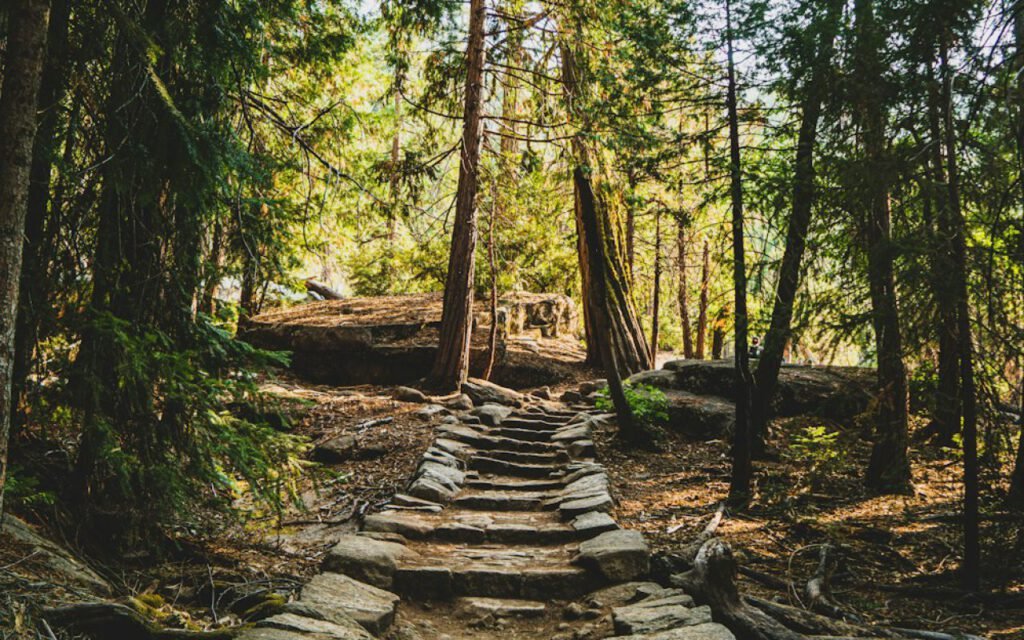

Written by
Cal Brooks
Cal has guided trips for 18 years and still packs too many snacks on purpose.
10Articles
2026Writing since
Every popular trail tells a story about the people who walked it before you. Sometimes it is a happy one: a clean path, wildflowers untouched at its edges, a lake as clear as the day it formed. Other times it is a story of candy wrappers, social trails cutting across meadows and fire rings scattered across a once-wild campsite. Leave No Trace principles help keep wild places wild for the next visitor. They are not complicated rules handed down from above. They are simple, common-sense habits that every hiker can practice on every trip.
Public lands across the country see millions of visits each year, and the small choices each of us makes add up quickly. Here are the seven principles every hiker should know, with practical tips for putting them to work on your next outing.
Plan ahead and prepare
Good stewardship starts at home. Research your destination before you go. Check the land agency’s website for current rules, closures, fire restrictions and permit requirements. Look at the forecast. Know how long your route is and how much daylight you will have.
Preparation protects both you and the land. Hikers who run short on time, water or warm clothing are more likely to take shortcuts, build unplanned fires or wander off trail. Repackaging food at home into reusable containers also cuts down on trash you would otherwise carry, and possibly lose, on the trail.
Plan to visit popular spots on weekdays or early in the morning when you can. Smaller groups and quieter times reduce crowding and wear on fragile areas.
A simple pre-trip checklist helps. Before you leave, confirm the trailhead location and parking rules, pack a map that works without cell service, bring enough water and snacks for the full day plus a little extra, and tell someone where you are going and when you expect to return. Pack a small trash bag and a trowel, too. When those basics are covered, you will be far less tempted to cut corners once you are out on the trail, and far more relaxed when something unexpected comes up, like a washed-out bridge or a closed loop that forces a change of plans.
Travel and camp on durable surfaces
Walking off trail damages plants and causes erosion. Trails are designed to concentrate foot traffic in one place so the surrounding land can thrive. Every time hikers step off to pass someone or skirt a muddy patch, the trail widens, plants get trampled and soil begins to wash away. Over time, those small detours can scar a hillside for years.
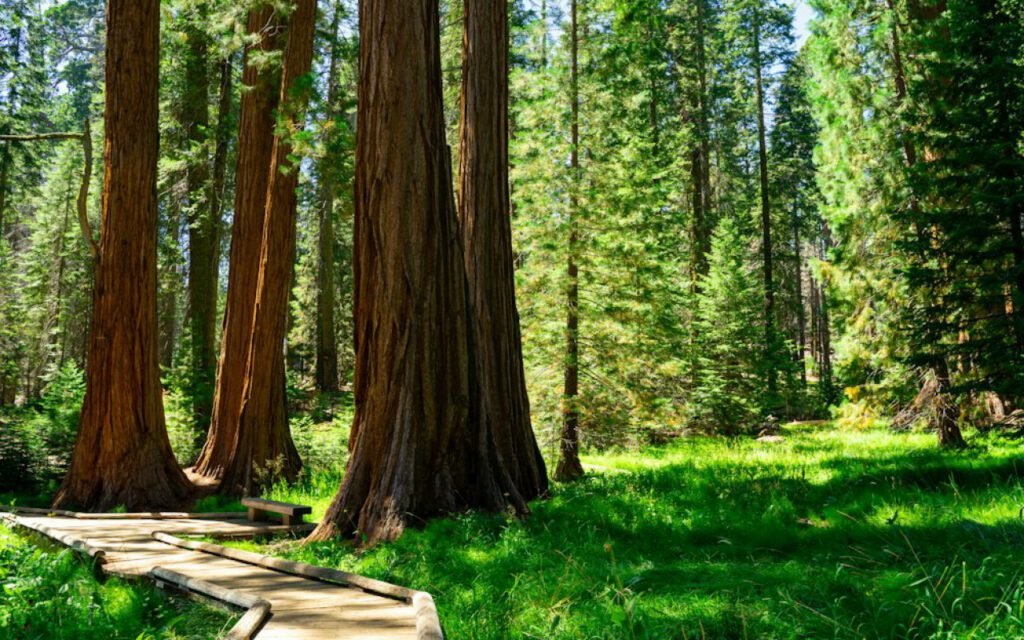
Walk single file in the middle of the trail, even when it is wet or muddy. In camp, use established sites and surfaces like rock, gravel, dry grass or snow. Keep campsites small and set up at least 200 feet from lakes and streams, roughly 70 adult steps, to protect fragile shorelines and water quality.
Dispose of waste properly
Pack it out. Everything you bring in leaves with you, including food scraps. That means wrappers and bottles, of course, but also apple cores, orange peels and pistachio shells. Natural food scraps may seem harmless, but they can take a surprisingly long time to break down, attract wildlife and spoil the experience for the next visitor.
Carry a dedicated trash bag and check rest stops and campsites before you leave. For human waste, use restrooms where available. Where they are not, dig a small hole six to eight inches deep at least 200 feet from water, trails and camp, and pack out used toilet paper in a sealed bag. Some high-use areas require you to pack out all waste, so check local rules.
Wash dishes and yourself well away from streams and lakes, using small amounts of biodegradable soap, and scatter strained dishwater widely.
Leave what you find, respect wildlife and others
Take only pictures, leave only footprints, and keep those on the trail.
Park ranger (fictional)
That advice comes from a ranger we met at a trailhead in Rocky Mountain National Park, and it neatly sums up the next three principles together.
Leave what you find
Rocks, plants, antlers, feathers and historic artifacts all belong where they are. Picking wildflowers or stacking rocks may seem small, but multiplied by thousands of visitors, it changes a landscape. Removing artifacts from public lands is also illegal in many places.
Respect wildlife
Observe animals from a distance. Never feed them. Human food harms their health, changes their natural behavior and can make them aggressive, which often ends badly for the animal. Store food and trash securely, especially in bear country. Many parks suggest staying at least 25 yards from most wildlife and much farther from bears and wolves. Check the rules wherever you hike.
Be considerate of other visitors
Share the trail. Yield to uphill hikers and step aside for horses. Keep voices and music low so everyone can enjoy natural sounds. Take breaks a little off the trail on durable surfaces so others can pass, and keep dogs leashed where required.

Minimize campfire impacts
Campfires are a beloved tradition, but they leave lasting marks: blackened rocks, scarred ground and forests stripped of dead wood that wildlife and soil depend on. In many areas, especially during dry seasons, fires are restricted or banned entirely because of wildfire risk.
Consider a lightweight stove for cooking and a lantern for light. If fires are allowed and you choose to have one, use an existing fire ring, keep it small and burn only small sticks gathered from the ground. Never leave a fire unattended, and put it out completely with water. Stir the ashes and add more water until everything is cool to the touch.
The seven principles at a glance
- Plan ahead and prepare.
- Travel and camp on durable surfaces.
- Dispose of waste properly.
- Leave what you find.
- Minimize campfire impacts.
- Respect wildlife.
- Be considerate of other visitors.
Many hikers keep a copy of this list in their pack or on their phone. Teaching it to kids is one of the best ways to make these habits last for another generation.
Small habits that make a big difference
Beyond the big principles, longtime hikers we spoke with shared a few everyday habits. Bring an extra bag and pick up one piece of litter on every hike, even if it is not yours. Leave pets at home when visiting areas where they are not allowed. Resist the urge to carve initials or build rock stacks. Share what you know gently with other hikers, since most people who leave a trace simply did not know any better. A friendly word at a trailhead often does more good than a sign ever could.
Key takeaway: Plan ahead, stay on the trail, pack out everything and give wildlife plenty of space. Small habits protect big places.
Leave it better
Leave No Trace is not about perfection. It is about awareness. Every trip is a chance to leave a place a little better than you found it, whether that means picking up a stray wrapper or choosing the established campsite over a fresh patch of meadow. Wild places belong to all of us, and to the hikers who have not been born yet. Treat them that way, and they will still be wild when it is their turn.
Outdoor activities carry real risks. Check conditions, tell someone your plan and know your limits.
Written by
Cal Brooks
Cal has guided trips for 18 years and still packs too many snacks on purpose.
10Articles
2026Writing since
Read next
CampingYour First Camping Trip: A No-Stress ChecklistTent, sleep system, kitchen and a backup plan. HikingSnowshoeing: Winter Hiking Made EasyIf you can walk, you can snowshoe.
 CampingHammock Camping: Sleep Among the TreesStraps, bug nets and the diagonal lie.
 HikingHow to Read a Topographic MapContour lines, scale and the compass basics.
 PaddlingPaddleboarding: Find Your Balance in an AfternoonWide boards, calm water and knees first.
 HikingSummit Fever: Knowing When to Turn AroundThe smartest hikers set a turnaround time.
 CampingCampfire Cooking: Five Easy MealsFoil packets, skillet breakfasts and s’mores, upgraded.
 HikingTrail Etiquette: Who Yields to Whom?Hikers, bikers, horses and the uphill rule.HikingLayering for Cold-Weather HikesBase, mid, shell — and no cotton.
Start the conversation