
 CampingYour First Camping Trip: A No-Stress ChecklistTent, sleep system, kitchen and a backup plan.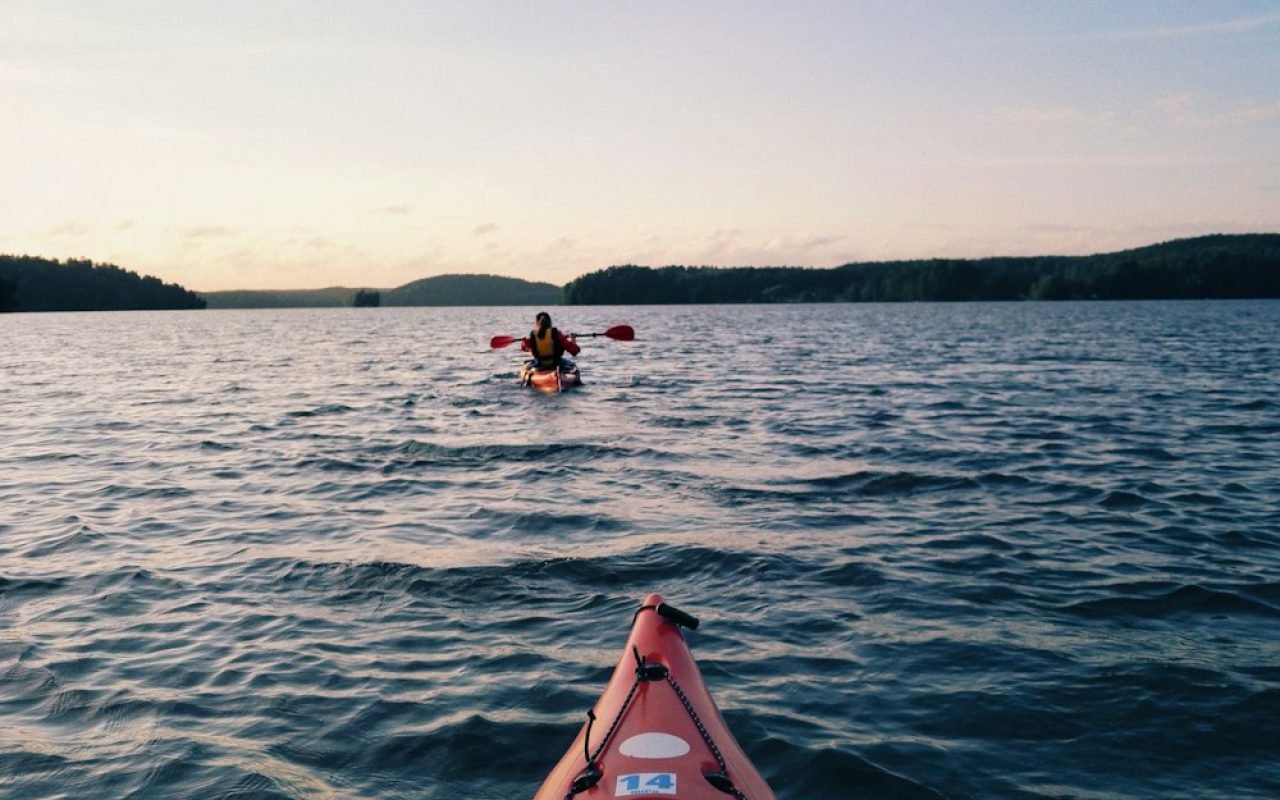
Camping Jesse Lane7 min read
Kayaking for Beginners: Calm Water First
Paddle basics, life jackets and picking the right day.
Jesse Lane7 min read
Written by
Jesse Lane
Jesse has paddled every lake within 200 miles of home and is working on the rest.
6Articles
2026Writing since
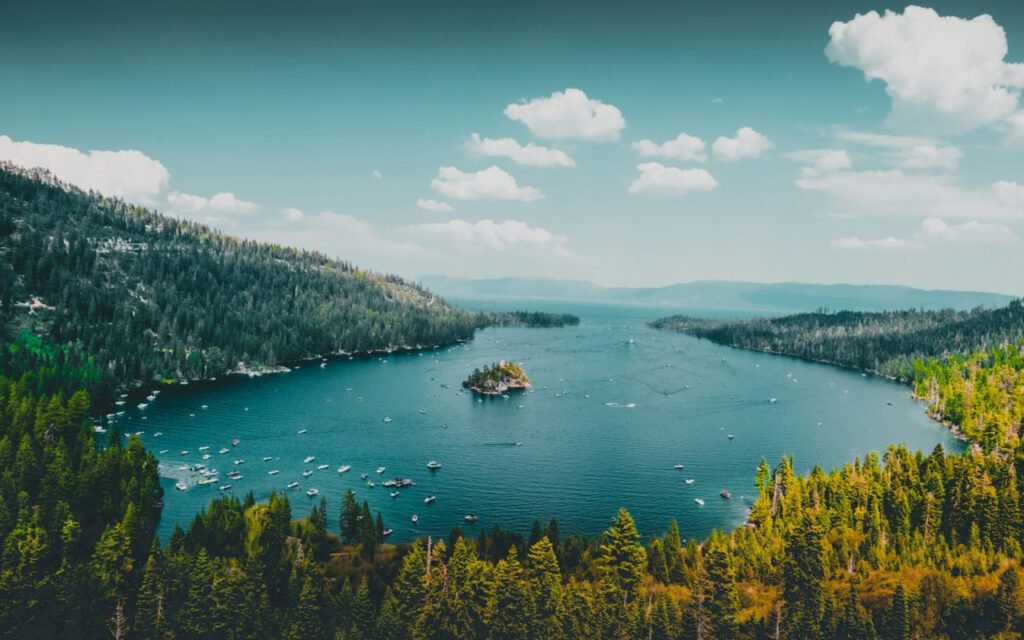
The first time most people sit in a kayak, they expect to tip over. They usually don’t. A modern recreational kayak on a calm lake is a remarkably stable boat, and within twenty minutes the nervous wobble turns into a steady, quiet glide. The trick is setting yourself up for that first good day: start kayaking on a calm lake with a guide or a friend who knows the basics, wear the right gear, and pick conditions that work for you instead of against you. Here is everything we wish someone had told us before our first launch.
Why calm water comes first
Rivers, ocean bays and big reservoirs are all wonderful places to paddle, but they add variables a beginner does not need yet. Current pushes you sideways. Tides change the shoreline under you. Boat wakes roll in from nowhere. A small, sheltered lake removes most of that, which leaves you free to focus on the only things that matter on day one: sitting comfortably, holding the paddle correctly and learning how the boat responds.
Look for a lake or pond with an easy launch, such as a gravel ramp or a low dock, and a shoreline you can reach quickly from anywhere on the water. Many state parks rent kayaks by the hour from a beach right next to the parking lot, which is ideal. You get a boat that fits, a paddle sized for you and usually a short safety talk from staff who see beginners every weekend.
Going with a guide or an experienced friend matters more than any piece of gear. Someone who knows the basics can adjust your foot pegs, show you how to get in without a splash and spot bad habits before they become sore shoulders. If no friend is available, a two-hour intro class from a local outfitter is money well spent, and many cost less than $75.
Always wear a life jacket
Wear it, don’t just bring it. That line sounds obvious, yet a surprising number of paddlers keep their life jacket bungeed to the deck where it does no good at all. If you capsize, the boat floats away, the water is colder than you expected and the jacket you meant to grab is now ten feet out of reach. Put it on at the car and keep it zipped until you are back on land.
A good fit is snug but comfortable. Buckle every strap, then have your friend pull up on the shoulders. If the jacket rides up past your chin, tighten it or try a smaller size. Paddling-specific jackets have larger arm openings and a shorter cut so you can rotate your torso freely, which makes them far more pleasant than the bulky orange vests you might remember from summer camp.
Beyond the life jacket, a beginner’s kit is short and simple:
- A whistle clipped to your life jacket for signaling.
- Quick-dry clothing, with no cotton next to your skin.
- Water shoes or sandals with a heel strap.
- Sunscreen, a hat and sunglasses with a retainer strap.
- A small dry bag for your phone, keys and a snack.
- Drinking water, even for a short trip.
Dress for the temperature of the water, not just the air. A warm May afternoon can sit on top of a lake that is still in the 50s, and a sudden swim in cold water takes your breath away. If the water is cold, stay close to shore and consider renting a wetsuit or splash top.
Paddle basics in ten minutes
Most beginners grip the paddle upside down or backward, so check it first. The blades should be slightly curved like a spoon, with the concave side facing you. Hold the shaft a little wider than your shoulders, knuckles lined up with the edge of the blade, and keep a relaxed grip. You are guiding the paddle, not strangling it.
The forward stroke
Reach forward and place the blade fully in the water near your feet. Instead of pulling with your arms, rotate your torso and let your core do the work, drawing the blade back to your hip and then lifting it out. Switch sides and repeat. Good strokes feel almost lazy, and they are much easier on your shoulders over a long afternoon.
Turning and stopping
To turn, use a sweep stroke: a wide arc from the front of the boat to the back on the side opposite where you want to go. To stop, put the blade in the water beside your hip and push forward a few times. Practice both near shore until they feel natural, then try paddling a straight line toward a fixed point like a dock post. Every beginner zigzags at first. That is normal, and it gets better within the hour.
Key takeaway: Rotate from your torso, keep your grip light and let the boat glide between strokes. Power comes from your core, not your arms.
Watch the wind
The water is calm until it isn’t. Check the forecast.
Cal Brooks, outdoor guide (fictional)
Cal Brooks has spent years teaching first-timers on lakes across the West, and his warning is the one we hear from nearly every guide. Wind is the single biggest factor in how a beginner’s day goes. A light breeze is pleasant. A steady 15 mph wind can build whitecaps on open water and make it hard to paddle back to where you started.
Before you go, check a forecast that shows wind speed and direction by the hour. Many experienced paddlers treat about 10 mph as a soft limit for new kayakers on open water. Mornings are often calmer than afternoons, especially in summer when thunderstorms can build after lunch. If you hear thunder, head for shore right away.
Once you are on the water, use a simple rule: paddle into the wind first so the trip back is easier. When you are fresh, fighting a breeze is manageable. When you are tired, having the wind at your back is a gift. If the wind changes direction or strengthens, hug the shoreline, where the water is usually calmer and you can land quickly.

Picking the right day
The best first day on the water is boring in the forecast and beautiful in person. Look for light winds, mild temperatures and no storms in the outlook. Avoid holiday weekends on busy lakes if you can, since powerboat traffic adds wakes and noise that make learning harder. A quiet weekday morning is close to perfect.
Plan a short route for your first outing, maybe an hour out and back along one shoreline. It is easy to paddle far when everything feels effortless, then realize your arms are spent with a long way to go. Turn around while you still feel good. Before you leave, tell someone where you are going and when you expect to be back, and stick to that plan.
If you do tip over in shallow water, stay calm, hold on to your paddle and your boat, and swim or walk it to shore. Practicing a capsize on purpose with a guide, in warm, shallow water, is one of the best confidence builders a new paddler can have.

Your next paddle
After a few calm-water trips, you will start noticing what you want next. Maybe it is a longer lake loop, a slow river with a shuttle, or a sit-inside touring kayak for faster cruising. Take each step gradually, ideally with a class or a more experienced partner. The fundamentals you learned on that first calm morning, from torso rotation to watching the wind, carry over to every kind of paddling.
For now, find a quiet lake, zip up your life jacket and enjoy the view from water level. It is one of the most peaceful ways to spend a morning outdoors, and it only gets better with practice.
Outdoor activities carry real risks. Check conditions, tell someone your plan and know your limits.
Read next
CampingYour First Camping Trip: A No-Stress ChecklistTent, sleep system, kitchen and a backup plan. CampingRock Climbing: How to Start SafelyGyms, guides and the knots you must know.
 CampingStargazing at Camp: What to Look For TonightThe Milky Way, planets and meteor showers.
 CampingHammock Camping: Sleep Among the TreesStraps, bug nets and the diagonal lie.
 HikingHow to Read a Topographic MapContour lines, scale and the compass basics.
 PaddlingPaddleboarding: Find Your Balance in an AfternoonWide boards, calm water and knees first.
 CampingWinter Camping BasicsStay dry, eat often and bring a warm water bottle.
 CampingCampfire Cooking: Five Easy MealsFoil packets, skillet breakfasts and s’mores, upgraded.
 CampingCanoe Camping: Paddle In, Camp OutPacking, portages and calm-water routes.
Start the conversation