



 Care & GearWhy Do Cats Sleep So Much?Up to 16 hours a day — and it’s completely normal.
Adoption Sam Okafor6 min read
Bonded Pairs: Why Adopting Two Can Be Easier
Two friends, one adoption, half the loneliness.
Sam Okafor6 min read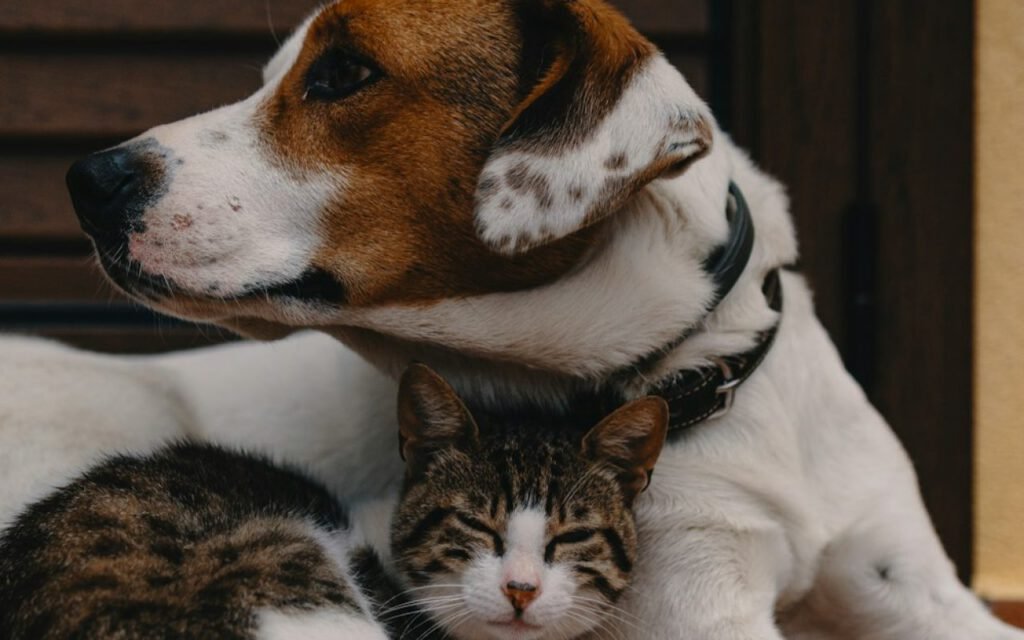

Written by
Sam Okafor
Sam is a cat behavior consultant who has never once won an argument with a cat.
6Articles
2026Writing since
Shelters sometimes list “bonded pairs” — two pets who are very attached and do best together. Scroll through any adoption website long enough and you will see them: two cats curled into a single furry circle, two senior dogs leaning against each other in a kennel, a pair of littermates who have never spent a night apart. For many adopters, the idea of bringing home two animals at once feels overwhelming. Two litter boxes, two vet bills, twice the chaos. But people who have adopted bonded pairs often say the opposite happened. Their new pets settled in faster, entertained each other and seemed calmer than single pets they had adopted before. Here is why adopting two can be easier than you think, and how to know if a bonded pair fits your life.
What makes a pair “bonded”?
A bonded pair is two animals with a deep, established attachment. They might be littermates who grew up together, two pets who lived in the same home for years before being surrendered or animals who formed a close friendship in a shelter or foster home. Bonded pets often eat together, sleep together, groom each other and become visibly stressed when separated.
Shelters do not use the label casually. Staff and foster families watch how the animals behave together and apart. When separating them seems likely to cause real distress, such as refusing food, hiding constantly or calling out for the other, the shelter may require that the pair be adopted together. In other cases, a shelter may simply recommend it. If you are interested in a pair, ask why they are listed together and what staff have observed.
Two cats are rarely twice the trouble. They’re twice the entertainment.
Sam Okafor, cat behavior consultant
The upside
Bonded pets keep each other company and often settle in faster. Moving into a new home is stressful for any animal. New smells, new sounds and new people can make even a confident pet nervous. A bonded pet arrives with a built-in source of comfort, a familiar friend who makes the strange new place feel safer.
Built-in companionship
For people who work outside the home, a bonded pair can be a real advantage. While no pet should be left alone for excessively long periods, two animals who enjoy each other’s company may cope better with ordinary workdays than a single pet waiting by the door. Cats in particular often benefit from a companion to play with, groom and nap beside.
Better behavior
Many adopters notice that bonded pets show fewer boredom-related problems. Kittens and young cats who have a playmate tend to direct their energy toward each other instead of toward their people’s ankles. Pets who play together also get more exercise, which can help with weight and overall health.
Twice the joy
Then there is the entertainment factor. Watching two cats chase each other down the hallway, wrestle on the bed and then fall asleep in a tangle is one of the great pleasures of a multi-pet home. Many adopters say they cannot imagine having just one.
Not just for cats
While cats make up many bonded pairs, dogs, rabbits and guinea pigs are often listed together too. Bonded dogs are frequently siblings or two companions surrendered from the same home after a move, a new baby or an owner’s illness. Senior dog pairs, in particular, can be deeply attached after spending a lifetime side by side, and the familiar presence of an old friend can ease the shock of losing a home. Rabbits and guinea pigs are social animals by nature, and many small-animal experts recommend keeping them with a compatible companion. Whatever the species, the same principles apply. Ask how the pair behaves together and apart, how much space and exercise they need and whether either one has health concerns. A bonded pair of two calm senior dogs can be a wonderful match for a quieter household that might not have the energy for a young puppy.

Why bonded pairs wait longer
Sadly, bonded pairs often spend more time in shelters than single animals. Many adopters come in looking for one pet, and two can feel like too much of a commitment. Senior bonded pairs face an even longer wait. Some shelters offer reduced adoption fees for pairs to help them find homes, so it is worth asking.
When you adopt a bonded pair, you are not only gaining two companions. You are also freeing up space at the shelter and giving two animals the chance to stay together, which may be the most important thing in their world.
Plan for two
Double the food and vet costs, but usually not double the work. That is the honest math of adopting a bonded pair. The time spent feeding, cleaning and caring for two pets is often only a little more than for one, but the costs do add up. Before you commit, make a realistic budget. Here is what to plan for:
- Food and treats for two
- Annual checkups, vaccines and preventive care for both animals
- A savings fund or pet insurance for unexpected medical bills
- Extra supplies, including bowls, beds and scratching posts
- For cats, a common guideline is one litter box per cat plus one extra
- Pet sitter or boarding costs for two when you travel
- Licensing fees, where required, for both pets
Consider your space, too. Two cats can share a small apartment happily if there is enough vertical territory, hiding spots and resources for both. Two large dogs may need more room and a bigger time commitment for walks and training. Check your lease or homeowner rules for pet limits before you apply.
Bringing a pair home
Settling in a bonded pair is similar to settling in one pet, with a few helpful differences. Set up a quiet room with everything both animals need: food and water bowls spaced slightly apart, beds, toys, scratching posts and litter boxes for cats. Many bonded pairs prefer to stay close during the first days, so give them a cozy hiding spot big enough for two.
Keep the first week calm and predictable. Offer meals at the same times each day, and watch to make sure each animal is eating, drinking and using the litter box or going outside normally. With two pets, it can be easy to miss a change in one of them, so check on each individually. Some owners feed pairs in separate spots to keep an eye on appetite and prevent one pet from eating both meals.
Spend one-on-one time with each pet, too. Bonded animals love each other, but they also need to bond with you. Individual play sessions, brushing and quiet cuddle time help each pet feel secure with its new family.
Key takeaway: Bonded pairs often adjust faster, behave better and keep each other company. Budget for two sets of costs, but expect far less than double the work.
Two hearts, one adoption
Adopting a bonded pair is not right for every household. It requires an honest look at your budget, space and schedule. But for families who can make it work, it is often easier and more rewarding than expected. You give two animals the gift of staying together, and in return you get a home full of companionship and, as many owners put it, twice the entertainment.
If you are considering a bonded pair, talk with shelter staff about the animals’ needs and history, and schedule checkups with your own vet soon after adoption. Then get ready for twice the joy.
Written by
Sam Okafor
Sam is a cat behavior consultant who has never once won an argument with a cat.
6Articles
2026Writing since
Read next
Care & GearWhy Do Cats Sleep So Much?Up to 16 hours a day — and it’s completely normal. AdoptionBringing Home a Senior DogWhy older dogs make wonderful, mellow companions.
 CatsKitten Playtime: Games That Build a Confident CatWand toys, boxes and why hands are not toys.
 AdoptionAdopting From a Shelter: What to Ask Before You CommitQuestions that help you find the right match.
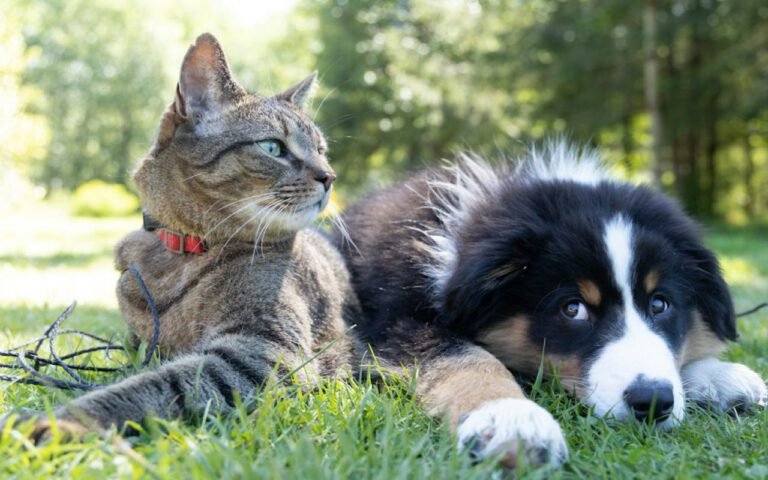 CatsCats and Dogs Under One Roof: A Slow Introduction PlanScent first, sight second, supervised visits third.
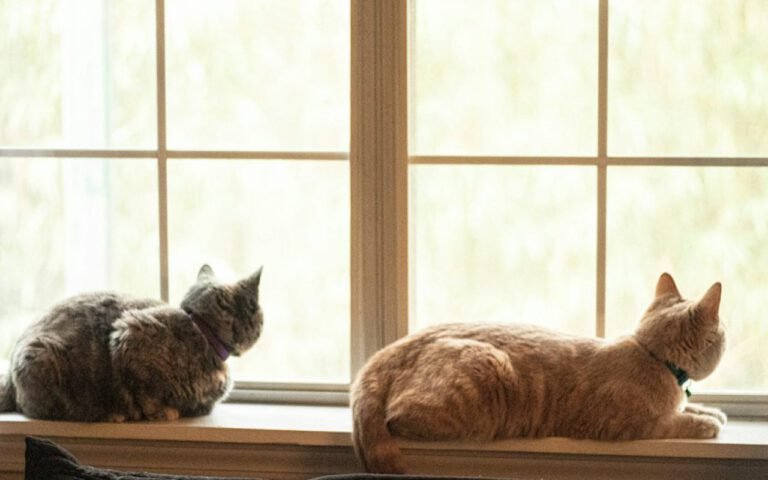 AdoptionWindow Watching: Enrichment Ideas for Indoor CatsBird feeders, perches and a little cat TV.
 AdoptionGraying Muzzles: Caring for Older PetsComfort, checkups and gentle changes at home.
 Care & GearCozy Cat Beds Our Readers Swear ByHeated, hooded and cardboard — the honest results.AdoptionFoster Before You Adopt: The Try-It-First OptionShelters need foster homes — and fostering helps you learn what fits.
Start the conversation