Your First Vegetable Garden: Start With These Six Plants
Lettuce, beans, zucchini, tomatoes, herbs and radishes — the easiest harvest of your life.
 Tom Becker6 min read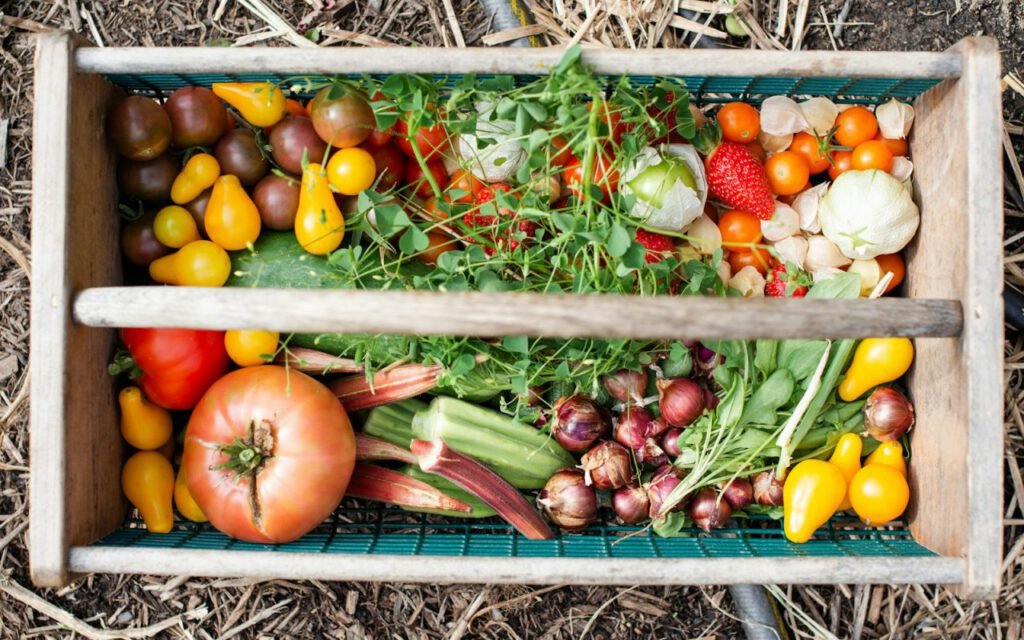

Tom Becker
Tom has kept a vegetable garden for thirty years and still gets excited about the first radish of spring.



The biggest mistake new gardeners make is planting too much. Start with one raised bed, six easy plants and a watering can, and you will be eating salad by June. It is advice we hear again and again from experienced growers, and it is the advice most beginners ignore, usually after a happy afternoon at the garden center that ends with a car full of seedlings and no plan for where they will go.
A small garden is not a lesser garden. It is one you can actually look after. You can weed it in ten minutes, water it before work and notice the first ripe tomato before the squirrels do. Most importantly, a small first garden is likely to succeed, and success is what turns a one-season experiment into a lifelong habit. Here is how to start, with six plants chosen because they are generous, forgiving and delicious.
 Sponsored · Hearthside CandlesHand-poured in VermontTwelve new fall scents, out now.Shop candles
The six
Lettuce and radishes grow fast and forgive mistakes. Bush beans and zucchini produce more than you can eat. One cherry tomato plant and a pot of herbs complete the bed. Together they give you something to pick from late spring right through to the first frost.
Lettuce
Loose-leaf lettuce is the easiest crop many gardeners ever grow. Sow seeds directly in the bed as soon as the soil can be worked in spring, keep them moist and start picking outer leaves in about a month. Choose a mix of colors for the prettiest salad bowl.
Radishes
Radishes are the sprinters of the vegetable world, often ready in under four weeks. They are perfect for impatient beginners and children. Sow a short row every couple of weeks in spring and again in late summer for fall harvests.
Bush beans
Unlike pole beans, bush beans need no trellis. Plant seeds once the soil has warmed in late spring and expect a steady crop in about two months. The more you pick, the more they produce.
Sponsored · Hearthside CandlesHand-poured in VermontTwelve new fall scents, out now.Shop candlesZucchini
One zucchini plant is plenty for most households. Two is generous. Three, as many gardeners learn the hard way, means leaving bags of squash on your neighbors’ porches all August. Give it room, because it grows large.
Cherry tomato
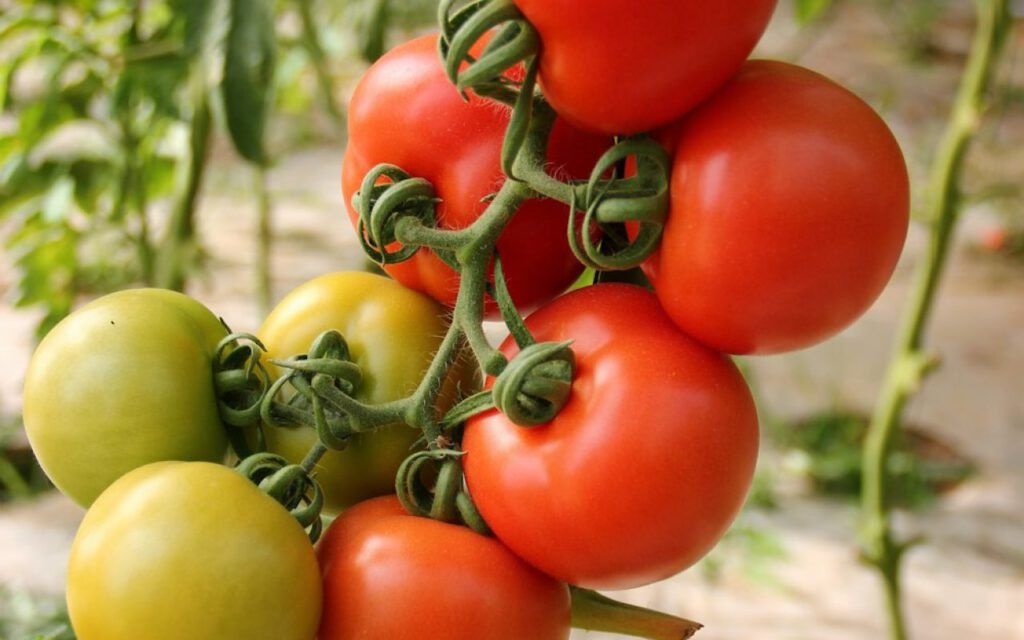
Cherry tomatoes are more forgiving than large slicing varieties and ripen earlier. Buy one healthy young plant, set it at the north end of the bed so it does not shade the others and give it a sturdy cage or stake.
Herbs
Basil, parsley and chives are a good starting trio. Grow them in a pot near the kitchen door so you can snip a handful while dinner is cooking.
Plant what you love to eat. A garden full of vegetables nobody likes is just a lot of work.
Frank Delgado, community garden coordinator
Sun first
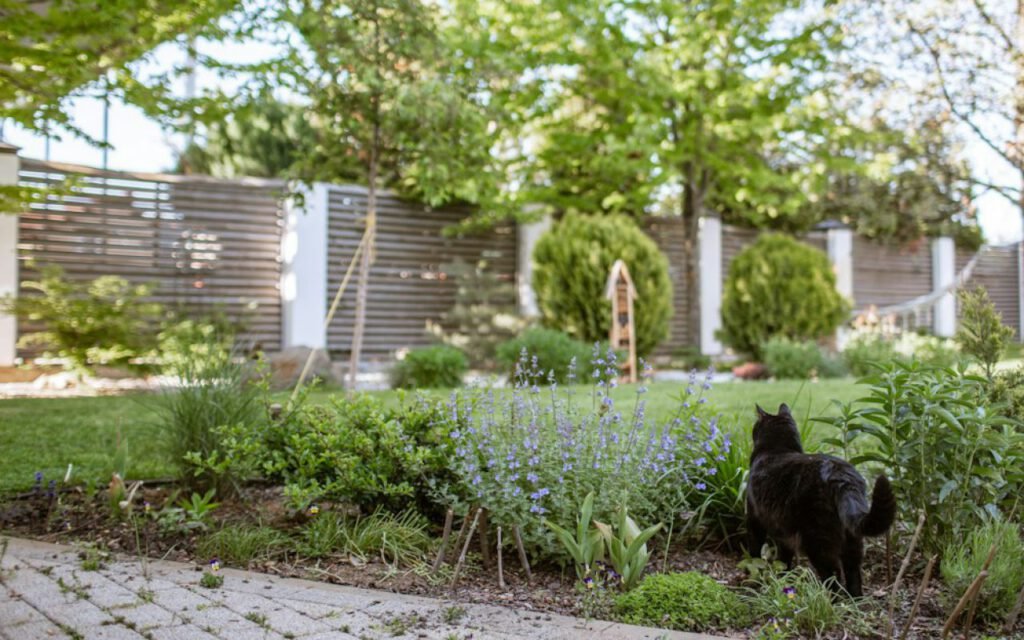
Vegetables need six to eight hours of direct sun. Watch your yard for a day before you decide where the bed goes. This is the single most important decision you will make, and it is surprisingly easy to get wrong. A spot that looks bright at breakfast may sit in the shadow of the house by lunch.
Frank, who has helped hundreds of first-time gardeners at his community plot in Columbus, Ohio, recommends a simple test. On a sunny weekend day, check the spot every two hours from morning to evening and jot down whether it is in sun or shade. If it gets at least six hours of direct light, you have found your garden. If it gets less, look for a sunnier spot, or plan to grow mostly lettuce and herbs, which tolerate a little shade.
Other things to consider when choosing a spot: it should be close to a water source, easy to see from the house so you remember to check it and on reasonably level ground. A bed you walk past every day gets far better care than one hidden behind the garage.
Building the bed
A raised bed is the friendliest way to start because it lets you fill it with good soil from day one, rather than wrestling with whatever is in your yard. A 4 by 8 foot bed is the classic size for a reason: you can reach the middle from either side without stepping on the soil, and it holds all six plants comfortably.
Fill the bed with bagged garden soil mixed with compost, roughly two parts soil to one part compost. Rake it smooth, water it well and let it settle for a day or two before planting. If you are unsure about your local growing season or frost dates, your county extension office can tell you when it is safe to plant warm-weather crops like tomatoes and beans.
A simple planting plan
- Put the tomato at the north end, where its height will not shade the rest.
- Give the zucchini a corner of its own, with room to sprawl.
- Plant two short rows of bush beans in the middle.
- Sow lettuce and radishes in short rows along the sunny southern edge.
- Keep herbs in a separate pot, or tuck parsley and chives into any gaps.
Water deeply, not daily
A long soak twice a week grows deeper roots than a quick sprinkle every evening. Shallow watering keeps roots near the surface, where they dry out quickly on hot days. Deep watering encourages roots to grow down toward cooler, moister soil, which makes plants tougher and less needy.
Water at the base of the plants rather than over the leaves, ideally in the morning. Wet leaves overnight can invite disease. To check whether the bed needs water, push a finger into the soil up to the second knuckle. If it feels dry at that depth, it is time to water. In the heat of July and August, you may need to water more often, especially if your area goes a week without rain.
Mulch helps enormously. A two-inch layer of straw or shredded leaves around the plants keeps moisture in, keeps weeds down and keeps the soil cooler in summer heat. It is one of the easiest ways to cut your garden chores in half.
Key takeaway: good sun, good soil and deep watering will solve most problems before they start.
You’ll need
The shopping list for a first garden is refreshingly short. You do not need a shed full of tools or an expensive irrigation system. Here is everything required to get started:
- A 4 × 8 foot raised bed
- Bagged garden soil mixed with compost
- A watering can or soaker hose
- Mulch to keep weeds down
- Seeds for lettuce, radishes and bush beans
- Young plants for zucchini, cherry tomato and herbs
- A tomato cage and a pair of garden gloves
Enjoying the first harvest
Somewhere in late May or early June, you will walk out one morning and find a radish pushing its red shoulders out of the soil, or lettuce leaves big enough to pick. That moment is the reason gardeners keep gardening. Pick it, rinse it and eat it the same day. Nothing from a store tastes quite like it.
Keep notes through the season: what you planted, when it came up, what thrived and what struggled. Next spring, those notes will be your best guide. Maybe you will add a second bed, try a new variety or swap the zucchini for cucumbers. But that is a decision for next year. For now, start small, plant what you love to eat and enjoy watching six simple plants turn into dinner.
Tom Becker
Tom has kept a vegetable garden for thirty years and still gets excited about the first radish of spring.


Start the conversation