Container Gardens for Porches and Balconies
No yard? These pot combinations bloom from May to October.
 Tom Becker6 min read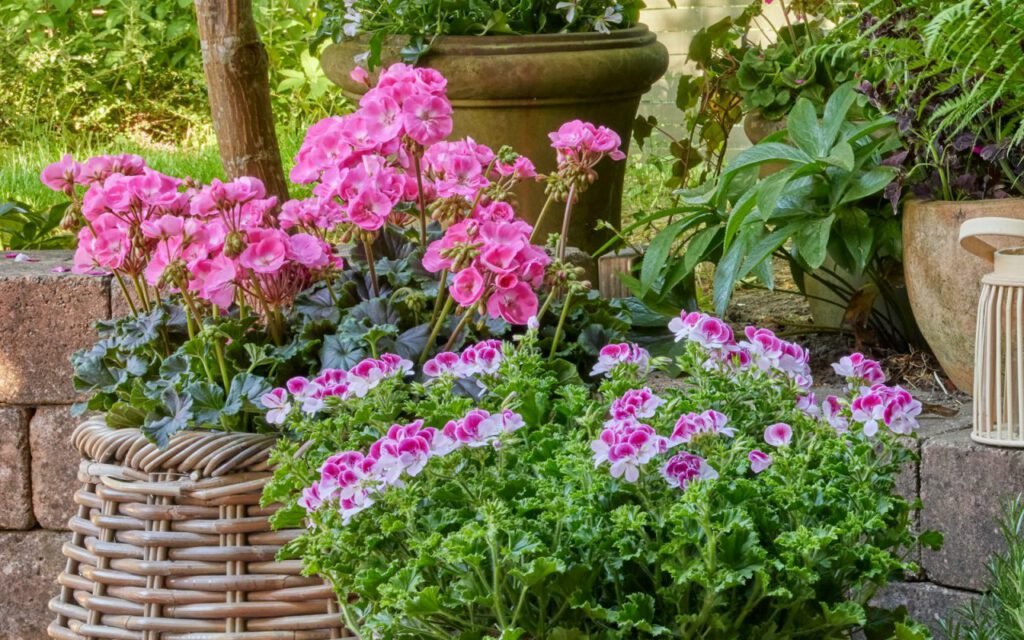

Tom Becker
Tom has kept a vegetable garden for thirty years and still gets excited about the first radish of spring.



A few big pots by the front door can do more for a house than a whole flower bed. The trick is choosing plants that keep flowering all season. Containers bring color right up to eye level, where you see it every time you come and go. They soften hard surfaces like concrete steps and brick walls, and on a small apartment balcony they can create the feeling of a private garden in just a few square feet. Best of all, container gardening requires no digging, no lawn and very little commitment. If a combination does not work, you simply try something different next year.
To learn how to make pots look full and flowering from May to October, we spent a morning with Elena Ruiz, a florist in Santa Fe, New Mexico, who plants dozens of containers every spring for her shop, her own porch and the porches of several neighbors. She has made every mistake there is, she says, and now follows a few simple rules that work almost anywhere in the country.
 Sponsored · Hearthside CandlesHand-poured in VermontTwelve new fall scents, out now.Shop candles
Thriller, filler, spiller
One tall plant in the center, a few mounding plants around it and something trailing over the edge. This is the classic formula for container design, and it works because it fills every level of the pot, from the soil line to well above the rim. It is easy to remember and easy to adapt.
- Thriller: a tall, upright plant that gives height and drama, such as an ornamental grass, a canna, a spiky dracaena or a tall salvia.
- Filler: rounded, bushy plants that fill the middle of the pot, such as geraniums, begonias, lantana or coleus.
- Spiller: trailing plants that tumble over the edge and soften the outline of the container, such as petunias, ivy, creeping jenny or sweet potato vine.
In a pot viewed from all sides, place the thriller in the center. In a pot against a wall, put it toward the back. Choose plants with similar needs for sun and water so that all of them thrive together. Elena also likes to keep the color scheme simple: two or three colors per pot, repeated across a group of containers, look calmer than a different riot of shades in each one.

Water deeply
Water until it runs out the bottom. A little splash on top isn’t enough in July.
Elena Ruiz, florist
Watering is where most container gardens fail. Plants in pots have a limited amount of soil to draw moisture from, and on a hot, windy summer day, a container in full sun can dry out completely in a matter of hours. A quick sprinkle wets only the top inch, leaving the roots below thirsty.
Water slowly and thoroughly, until water drains freely from the hole in the bottom of the pot. That way you know the whole root ball is moist. Check your containers every morning in summer by pushing a finger into the soil; if the top inch is dry, it is time to water. In the hottest weeks of July and August, some pots may need water twice a day. Self-watering containers, which hold a reservoir of water under the soil, are a great help for busy gardeners and for pots on sunny balconies.
Bigger pots are easier
Large containers dry out more slowly. Choose pots at least 16 inches across. It seems counterintuitive, but large pots are actually easier to care for than small ones. They hold more soil, which means more water and nutrients for the roots, and their temperature stays steadier through hot days and cool nights. Small pots look charming in the garden center but dry out quickly and can stress plants.
Choosing a container
Whatever material you choose, make sure there is at least one drainage hole in the bottom. Terra-cotta is beautiful and breathable but dries out quickly. Glazed ceramic holds moisture well and comes in many colors. Lightweight fiberglass and resin pots are good for balconies and roof decks, where weight is a concern; check with your building manager about any load limits before setting out several large planters. Wooden boxes and half barrels have a relaxed, rustic look.
Sponsored · Hearthside CandlesHand-poured in VermontTwelve new fall scents, out now.Shop candlesFill pots with a good-quality potting mix made for containers, never soil dug from the garden, which packs down and drains poorly in a pot. Leave about an inch of space between the soil and the rim so water does not spill over when you water.
Feed every two weeks
Container plants use up their food quickly. A liquid feed every other watering keeps them blooming. Every time you water a pot until it drains, some nutrients wash out of the bottom. Plants that bloom nonstop from late spring until frost, such as petunias and geraniums, are hungry plants and need a steady supply of food to keep flowering.
Elena mixes a slow-release fertilizer into the potting soil at planting time, then adds a water-soluble flower food every two weeks from early summer onward, following the directions on the label. Too much fertilizer can burn roots, so more is not better. She also deadheads regularly, pinching off faded flowers so plants put their energy into new blooms rather than seeds. A few minutes with scissors once a week keeps containers tidy and full.
In midsummer, if a pot begins to look tired and leggy, do not be afraid to cut the plants back by about a third. With water and food, most will regrow and bloom again within a few weeks, carrying the container through to fall.
Combos we love
These three combinations are reliable, forgiving and beautiful from spring to the first frost. Each suits a different spot:
- Geraniums and trailing petunias
- Coleus and sweet potato vine for shade
- Herbs: rosemary, thyme and basil together
Geraniums and trailing petunias are the classic sunny-porch pairing: red, pink or white geraniums standing upright, with petunias cascading over the rim. Both love heat and full sun, and both bloom all summer with regular feeding.
For a shady porch or a north-facing balcony, coleus provides vivid color from its leaves alone, in shades of lime, burgundy, copper and pink. Chartreuse or deep purple sweet potato vine spills over the edge and grows vigorously.
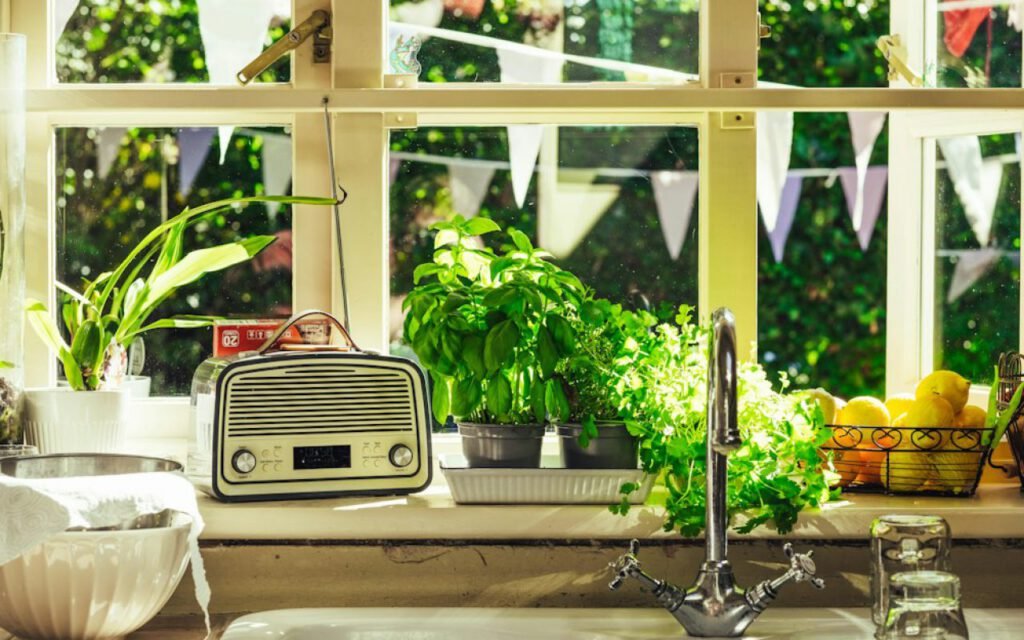
A herb container near the kitchen door is both pretty and useful. Rosemary gives height, thyme fills in around it, and basil adds lush green leaves. Keep the pot in full sun and harvest often, pinching basil tips regularly so the plant stays bushy rather than flowering. Rosemary and thyme prefer slightly drier soil than basil, so let the top of the pot dry a little between waterings.
Key takeaway: Choose big pots with drainage holes, plant thriller, filler and spiller, water until it drains and feed every two weeks.
A garden that moves with you
One of the quiet joys of container gardening is its flexibility. Pots can be rearranged when the light changes, grouped for a party, moved to the front steps when visitors are coming, and carried to a new home when you move. When frost threatens in the fall, tender plants like geraniums and rosemary can come indoors to a sunny window for the winter. Elena likes to stand on her porch on a summer evening, hose in hand, watching the bees work the petunias. A few pots by the door, she says, are the smallest garden there is, and sometimes the happiest.
Tom Becker
Tom has kept a vegetable garden for thirty years and still gets excited about the first radish of spring.

Start the conversation