 Tom Becker6 min read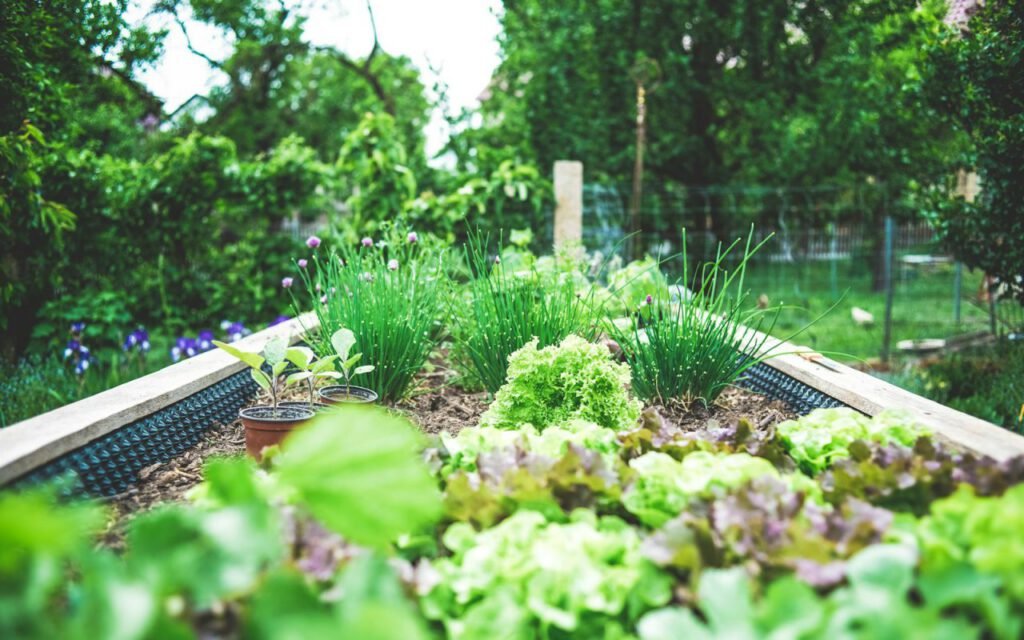
Lettuce loves cool weather. When summer arrives it bolts — sending up a flower stalk and turning bitter. A few tricks keep the salads coming. Anyone who has grown lettuce knows the moment: one June morning the neat rosettes you have been picking for weeks suddenly stretch upward, the center leaves narrow and a taste test confirms the worst. The lettuce has decided its job is done and it is time to make seeds.
Bolting is a natural response to long days and warm temperatures, and you cannot stop it entirely. But you can slow it down, work around it and plan so that there is always a fresh row coming along to replace the one that gives up. With the right varieties, a little shade and a habit of sowing small amounts often, many gardeners keep picking salad well into August and beyond.
 Sponsored · Hearthside CandlesHand-poured in VermontTwelve new fall scents, out now.Shop candles
Why lettuce bolts
Lettuce grows best when daytime temperatures sit roughly between 60 and 70 degrees. As days lengthen and the heat climbs, especially once nights stay warm, the plant gets a signal that its season is ending. It shifts energy from leaves to a tall flowering stem, and a milky sap builds up in the leaves that makes them taste bitter.
Where you live matters too. Gardeners in the cool Pacific Northwest or along the coast of Maine may pick lettuce all summer with little effort, while those in Texas or the Carolinas often treat it as a spring and fall crop and give the hottest weeks a rest. Your county extension office can tell you the typical temperatures and frost dates for your area, which makes planning much easier.
Stress makes it worse. Lettuce that dries out, sits in full afternoon sun or is crowded by its neighbors tends to bolt sooner than lettuce that is comfortable. That is good news, because it means many of the factors are within your control.

Sow a little, often
Plant a short row every two weeks instead of one big sowing. You get a steady supply instead of a glut. This is the most important habit for summer salad, and it is called succession sowing.
Sponsored · Hearthside CandlesHand-poured in VermontTwelve new fall scents, out now.Shop candlesThe idea is simple. Instead of filling a whole bed with lettuce in April, sow a short row, perhaps two or three feet long. Two weeks later, sow another. Keep going through spring and summer. By the time the first row starts to bolt, the second and third rows are ready to pick, and a fourth is just coming up.
A sample sowing plan
- Early spring: sow your first row as soon as the soil can be worked.
- Every two weeks after that: sow a new short row in a different spot.
- Late spring: switch to heat-tolerant varieties for all new sowings.
- Midsummer: sow in the shadiest part of the bed, or start seeds indoors where it is cooler.
- Late summer: sow again for a fall crop as temperatures begin to drop.
Lettuce seed can be reluctant to sprout in very hot soil. In midsummer, try sowing in the evening, watering well and covering the row with a board or a piece of burlap for a few days to keep the soil cool. Check under it every day and remove it as soon as seedlings appear.
Cut-and-come-again is the whole secret. One plant can feed you for six weeks.
Frank Delgado, community garden coordinator
Give it afternoon shade
A piece of shade cloth or a spot east of taller plants keeps lettuce cool through the hottest hours. Lettuce does not need full sun in summer. Four to six hours of morning light is plenty, and the shade of the afternoon makes a noticeable difference in how long plants stay sweet.
Frank Delgado, who coordinates a busy community garden in Columbus, Ohio, uses two simple approaches. The first is shade cloth, a lightweight fabric that blocks part of the sunlight. Draped over a few hoops or stakes above the lettuce row, it can drop the temperature around the plants by several degrees. The second is clever planting. He sows lettuce on the east side of tomatoes, pole beans or sunflowers, so the taller plants cast shade over it in the afternoon.
If you use shade cloth, choose a light grade that blocks roughly a third to half of the sun, and keep it a foot or so above the leaves so air can move freely underneath. Remove it on cool, cloudy stretches, and put it back when a heat wave is forecast. It folds small and lasts for years, which makes it one of the most useful tools a summer salad grower can own.
Containers offer another option. Lettuce grows happily in wide, shallow pots, which you can move into shade as summer heats up. A pot on a porch that gets only morning sun can produce salad long after the open garden has given up.
Pick summer varieties
Look for heat-tolerant types like Jericho, Summer Crisp and Red Sails. Lettuce varieties differ a lot in how quickly they bolt. Some are bred for cool spring weather and give up at the first warm spell. Others are known for holding well in heat.
Summer Crisp types, sometimes called Batavian lettuce, form crunchy, juicy heads and are generally slow to bolt. Jericho, a romaine originally from a hot, dry climate, is a favorite with summer growers. Red Sails, a loose-leaf variety with bronze-red leaves, tends to stay sweet longer than many others. Seed catalogs often describe varieties as “slow to bolt” or “heat tolerant,” so read descriptions carefully when ordering.

Keep it going
Good habits throughout the season make a big difference. Here are the most important ones:
- Harvest outer leaves and let the center keep growing
- Water in the morning
- Pull bolting plants and resow right away
- Mulch around plants to keep the soil cool and moist
- Give each plant enough room so they do not compete
Cut and come again
Frank’s favorite technique is to pick lettuce one leaf at a time rather than cutting whole heads. Snap off the outer leaves at the base, leaving the center intact. The plant keeps producing new leaves from the middle, and a single plant can provide salads for weeks. Picking regularly also seems to keep plants productive a little longer.
Water wisely
Lettuce has shallow roots and dries out quickly. Water deeply in the morning so plants start the hot part of the day well hydrated. A layer of straw or shredded leaves around the plants helps keep moisture in and soil temperatures down. Dry, stressed lettuce bolts faster, so consistent moisture is one of your best defenses.
Key takeaway: you cannot stop bolting forever, but small, frequent sowings of heat-tolerant lettuce in a shady spot will keep salad on the table all summer.
When bolting happens anyway
Even with every trick, some plants will bolt. When you see the center stretching upward, taste a leaf. If it is still sweet, harvest the whole plant right away. If it has turned bitter, pull it up, add it to the compost pile and resow the spot immediately.
Some gardeners leave one or two bolted plants to flower. Lettuce flowers are small and pretty, and they attract helpful insects to the garden. If you are growing an open-pollinated variety, you can even save the seeds for next year.
Summer salad is a matter of rhythm rather than luck. Sow a little, often. Give lettuce a break from the afternoon sun. Choose varieties built for heat, water in the morning and pick from the outside in. Do that, and your salad bowl will stay full long after the neighbors’ lettuce has gone to seed.

Tom Becker
Tom has kept a vegetable garden for thirty years and still gets excited about the first radish of spring.



Tom Becker
Tom has kept a vegetable garden for thirty years and still gets excited about the first radish of spring.

Start the conversation