



 StrengthHow to Deadlift SafelyThe king of strength exercises, step by step.
Strength Maya Brooks6 min read
Strength Training 101: The Five Moves That Matter
Squat, hinge, push, pull and carry — a full-body plan in five exercises.
Maya Brooks6 min read

Written by
Maya Brooks
Maya is a certified strength coach who believes everyone should own one kettlebell and one good playlist.
20Articles
2026Writing since
Adults are encouraged to do muscle-strengthening activities at least two days a week. You don’t need a fancy gym to start. A pair of dumbbells, a kettlebell, a backpack full of books or simply your own body weight is enough to build a strong foundation. What matters far more than equipment is choosing the right movements and doing them well.
Walk into any gym and you will see dozens of machines, hundreds of exercises and plenty of confusing advice. It is easy to feel overwhelmed before you even pick up a weight. The good news is that nearly every useful strength exercise is a variation on a handful of basic movement patterns. Learn those patterns, and you have a full-body program you can carry with you for years.
The five patterns
A squat, a hip hinge (like a deadlift), a push (like a push-up), a pull (like a row) and a loaded carry. Together, these five moves train your legs, hips, back, chest, shoulders, arms and core. They also mirror the things you do every day: sitting down and standing up, picking things off the floor, pushing a door, pulling a heavy bag toward you and carrying groceries from the car.
1. Squat
Stand with your feet about shoulder-width apart, toes turned out slightly. Sit your hips back and down as if lowering onto a chair, keeping your chest lifted and your heels on the floor. Stand back up by pressing through your whole foot. Beginners can start with a box squat, sitting briefly on a sturdy chair or bench at the bottom of each rep.
2. Hip hinge
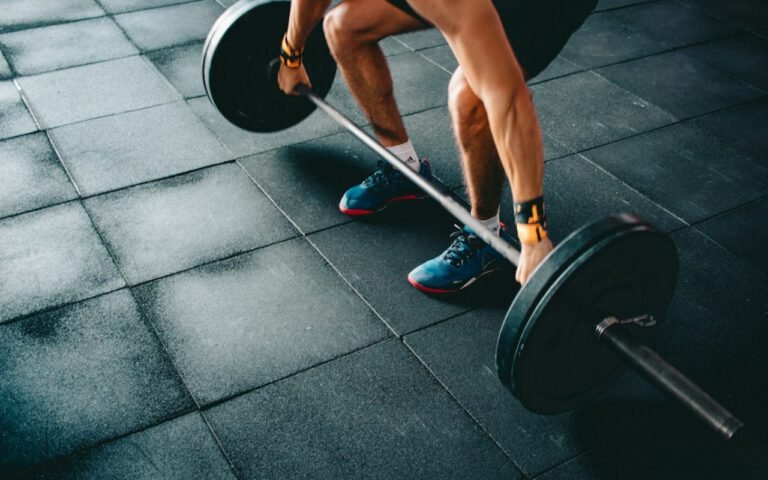
The hinge is all about moving at the hips while keeping your back flat. Stand tall holding a light weight, soften your knees and push your hips back until you feel a stretch in your hamstrings, then drive your hips forward to stand up. The Romanian deadlift and the kettlebell deadlift are both great ways to learn it.
3. Push
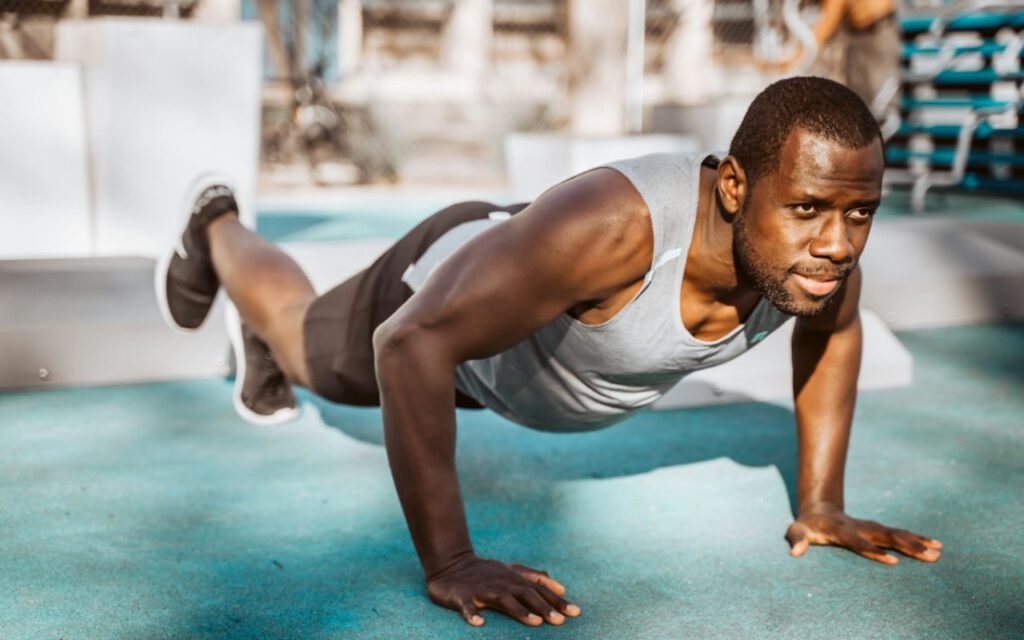
The push-up is the classic option. If a full push-up is too challenging, start with your hands on a wall or a kitchen counter, then progress to a sturdy bench and eventually the floor. Keep your body in one straight line from head to heels and lower your chest with control. Dumbbell presses and overhead presses also count as push movements.
4. Pull
Pulling movements strengthen your upper back and help balance all the time many of us spend hunched over screens. A one-arm dumbbell row is a great start: put one hand and knee on a bench, hold a weight in the other hand and pull it toward your hip, squeezing your shoulder blade back. Resistance bands looped around a sturdy post work well at home.
5. Loaded carry
Pick up something heavy and walk. That is it. Farmer’s carries, where you hold a weight in each hand and walk tall for 30 to 60 seconds, challenge your grip, shoulders and core all at once. They are simple, effective and surprisingly hard.
Five moves, done well, beat fifty moves done badly.
Maya Brooks, certified strength coach
Start light
Learn the movement first. Add weight only when your form looks the same on the last rep as the first. This rule keeps beginners progressing steadily and helps avoid the setbacks that come from rushing.
For your first two or three weeks, think of every session as practice. Choose a weight that lets you finish each set with two or three reps left in the tank. You should feel like you are working, but you should never be grinding out ugly reps or holding your breath to get the weight up.
When every rep of every set feels smooth and controlled, it is time to progress. You can add a little weight, add a couple of reps or add one more set. Small, steady jumps add up faster than you might expect. Many beginners find they can lift noticeably more after just a couple of months of consistent training.
Key takeaway: progress comes from showing up week after week, not from lifting as heavy as possible on day one.
A simple weekly plan
Here is a beginner-friendly structure that fits around most schedules. Do it on two non-consecutive days, such as Monday and Thursday, and add a third day later if you enjoy it.
- Warm up for five minutes with brisk walking, marching in place or easy cycling, then a few slow body-weight squats and arm circles.
- Squat: 2–3 sets of 8–12 reps.
- Hip hinge: 2–3 sets of 8–12 reps.
- Push: 2–3 sets of 8–12 reps.
- Pull: 2–3 sets of 8–12 reps on each side.
- Loaded carry: 2–3 walks of 30–60 seconds.
- Cool down with a few minutes of gentle walking and stretching.
Rest about one to two minutes between sets. The whole session usually takes 35 to 45 minutes. If you are short on time, pair exercises together, such as a set of squats followed by a set of rows, to keep things moving.
Common beginner mistakes
Most problems in the first few months come from a short list of habits. Watch out for these:
- Skipping the warm-up and going straight to working sets
- Copying advanced routines from social media before mastering the basics
- Letting the lower back round during squats or hinges
- Changing the program every week instead of giving it time to work
- Ignoring sleep, food and rest days, which are where strength is actually built
Training at home
Plenty of people build impressive strength without ever setting foot in a gym. If you are training at home, a small investment goes a long way. A pair of adjustable dumbbells, one or two kettlebells and a set of resistance bands can cover all five patterns. No equipment at all? A backpack loaded with books or water bottles makes a surprisingly good weight for squats, hinges and carries, and a sturdy table or a towel looped around a closed door can help you practice rows.
Clear a space about the size of a yoga mat, check that the floor is not slippery and keep pets and children well out of the way while you lift. Home training also makes it easy to sneak in short sessions. Even 20 focused minutes, twice a week, is a solid foundation when you are just getting started.
Keep a simple training log, whether in a notebook or on your phone. Write down the exercise, the weight and the reps for each set. Looking back after a month and seeing those numbers climb is one of the most motivating parts of strength training.
Filming a set on your phone is one of the easiest ways to catch form issues. What feels straight often looks a little different on video. If you can, book a session or two with a qualified coach who can watch you move and give personal feedback.
Try this
- Do two full-body sessions a week
- Two or three sets of 8–12 reps
- Film yourself to check form
Strength training is one of the most rewarding habits you can build. It helps with everyday tasks, supports healthy bones and muscles as you age and makes other activities, from running to gardening, feel easier. Start with these five patterns, keep the weights light while you learn and let consistency do the rest. You can find the full five-moves stepper on our strength plan page, with a short demonstration for each exercise.
General information, not medical advice. Check with your doctor before starting a new exercise or nutrition plan, especially if you have a health condition.
Written by
Maya Brooks
Maya is a certified strength coach who believes everyone should own one kettlebell and one good playlist.
20Articles
2026Writing since
Read next
StrengthHow to Deadlift SafelyThe king of strength exercises, step by step.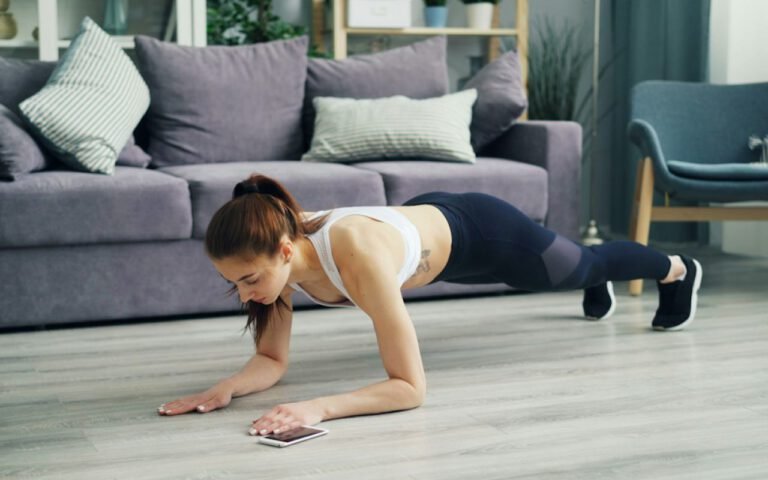 StrengthNo Gym? The 20-Minute Home WorkoutBodyweight only, no equipment, no excuses.
 StrengthGetting Your First Pull-UpA step-by-step plan from zero to one.
 StrengthStrength Training After 50: It’s Never Too LateMuscle and bone respond to training at every age.
 StrengthKettlebells: One Tool, a Hundred WorkoutsSwings, goblet squats and carries for a full-body routine.
Start the conversation