Sheet-Pan Salmon With Spring Vegetables
Everything roasts together, so the only dish is the pan.
 Claire Whitman6 min read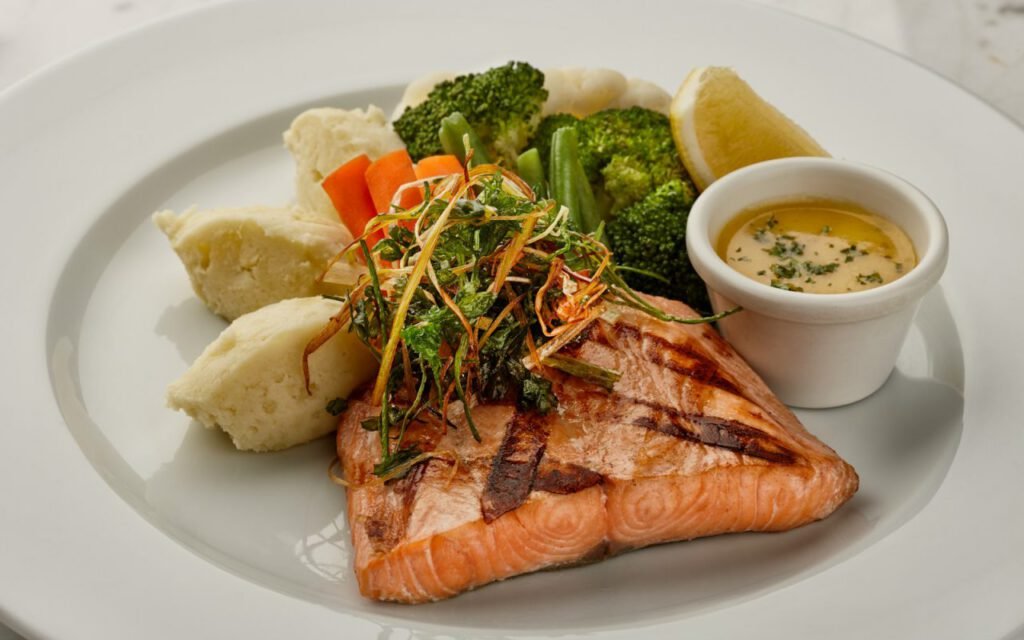

Claire Whitman
Claire started Salt & Supper in 2014 to answer one question: what can I make tonight? Every recipe is tested three times in a home kitchen.



Give the vegetables a head start, then add the fish for the last 12 minutes. Everything finishes at the same time. That simple bit of timing is the whole trick behind this sheet-pan salmon with spring vegetables, and once you understand it, you can use the same idea for dozens of easy dinners. Crispy-edged potatoes, tender broccolini and flaky, mustard-glazed salmon all roast together on a single pan, so the only dish is the pan. It is the kind of weeknight meal that looks and tastes like you planned it carefully, even if you started thinking about dinner at 5:45.
 Sponsored · Fieldstone Farms BoxSeasonal produce at your doorFrom local farms every Thursday. Skip any week.Try a box
The logic of staggered roasting
The biggest challenge with sheet-pan dinners is that different foods cook at different speeds. Baby potatoes need 25 minutes or more to turn tender inside and golden outside. Salmon fillets are done in about 12 minutes, and thin broccolini needs even less. Throw everything onto the pan at once, and you end up with either undercooked potatoes or dry, overcooked fish. Staggering the timing solves the problem. The potatoes go in first and get a 15-minute head start, then the quicker-cooking ingredients join them for the final stretch.
Cutting the potatoes in half also helps. The flat, cut sides sit directly against the hot metal and turn deeply browned and crisp, while the smaller pieces cook through faster. Place them cut-side down and resist the urge to stir them during the first round of roasting.
Ingredients
- 4 salmon fillets
- 1 lb baby potatoes, halved
- 1 bunch broccolini
- 2 tablespoons olive oil
- 1 lemon, sliced
- 2 tablespoons Dijon mustard
Season everything with salt and black pepper, and add a minced garlic clove or a spoonful of honey to the mustard if you like. Look for salmon fillets of similar size and thickness, around 6 ounces each and about 1 inch thick, so they cook evenly. Skin-on or skinless both work. Broccolini, sometimes sold as baby broccoli, has long tender stems and small florets that roast quickly and do not need peeling. If you cannot find it, use broccoli cut into long, thin spears.

How to make it
- Heat the oven to 425°F.
- Toss the potatoes with oil and salt and roast 15 minutes.
- Add the broccolini and salmon, brush the fish with mustard and top with lemon slices.
- Roast 12 more minutes, until the salmon flakes easily.
Choosing and prepping the pan
Use a large rimmed baking sheet, about 13 by 18 inches, often called a half-sheet pan. A crowded pan traps steam and keeps food from browning, so give everything some space. If you are doubling the recipe, use two pans and rotate them halfway through. Lining the pan with parchment paper makes cleanup almost effortless, though the potatoes brown a little more deeply directly on oiled metal. Avoid wax paper, which is not safe in a hot oven.
Sponsored · Fieldstone Farms BoxSeasonal produce at your doorFrom local farms every Thursday. Skip any week.Try a boxThe mustard glaze
Dijon mustard does a lot of work in a small amount. It seasons the fish, adds a gentle tang that balances salmon’s richness, and forms a light crust in the hot oven. Spread a thin, even layer over the top of each fillet with the back of a spoon or a pastry brush. Lay the lemon slices on top; they soften and caramelize slightly as they roast, and you can squeeze the warm slices over your plate before eating.
Checking for doneness
Salmon is ready when it flakes easily with a fork and is no longer translucent in the thickest part. The FDA recommends cooking fish to 145°F, which you can confirm with an instant-read thermometer. Thinner fillets may be done a few minutes early, so start checking at 10 minutes. The potatoes should be tender when pierced with a knife, and the broccolini should be bright green with a few crispy, browned tips.
Make it your own
Swap the broccolini for asparagus in spring or green beans in summer.
Recipe tester Molly Grant
Molly’s seasonal swaps keep this recipe in rotation all year. The method stays exactly the same; only the vegetable changes. Here are more ideas to try through the seasons:
- Spring: Asparagus spears and sugar snap peas, both added with the salmon.
- Summer: Green beans, cherry tomatoes and thick zucchini half-moons.
- Fall: Cubed sweet potatoes in place of baby potatoes, with Brussels sprouts halved and added with the first batch.
- Winter: Thick carrot coins and cauliflower florets, both roasted from the start.
You can also vary the glaze. Try a mix of honey and whole-grain mustard, a spoonful of pesto, a brush of teriyaki sauce, or simply olive oil with lemon zest, garlic and fresh dill. Each one gives the same easy dinner a completely different personality.

Why sheet-pan dinners work on busy nights
We get more questions about sheet-pan dinners than almost any other weeknight topic, and it is easy to see why. They need very little hands-on time, so you can help with homework, return a phone call or simply sit down for a few minutes while the oven does the work. They also scale up or down easily and leave you with only one pan to wash. In our weekly meal plans, we try to include at least one sheet-pan dinner every week for exactly these reasons.
A few habits make them even easier:
- Cut vegetables to similar sizes so they cook evenly.
- Preheat the oven fully before the pan goes in.
- Use enough oil to lightly coat everything, but not so much that it pools.
- Season every component with salt, not just the main protein.
- Add delicate herbs and citrus at the end for freshness.
Meal prep and leftovers
This recipe makes excellent lunches. Divide the salmon, potatoes and vegetables among four containers and refrigerate for up to 3 days. Leftover salmon is wonderful served cold over a bed of greens with a lemony dressing, or flaked into a grain bowl with cucumbers and a spoonful of yogurt sauce. If you prefer it warm, reheat it gently, covered, in a 275°F oven for about 15 minutes so it stays moist. Avoid high-power microwaving, which can dry out the fish and make it smell stronger.
Salmon is a good source of protein and omega-3 fatty acids, and many health organizations suggest eating fish a couple of times a week as part of a balanced diet. If you have specific dietary questions, a registered dietitian or your doctor can offer advice tailored to you.
Getting extra-crispy potatoes
If you love the crunchy, golden edges on roasted potatoes, a few small steps help. Dry the halved potatoes well with a kitchen towel after washing, since water on the surface slows browning. Toss them with the oil and salt directly on the pan, then turn every piece cut-side down. Preheating the empty sheet pan in the oven for 5 minutes before adding the potatoes gives them an even faster sear. When you add the salmon and broccolini, push the potatoes toward the edges of the pan, where the heat is strongest, so they keep crisping while the fish cooks in the center.
Key takeaway: Give the potatoes a 15-minute head start, then add the salmon and quick vegetables so everything finishes together on one pan.
One pan, endless dinners
Once you have mastered the staggered roasting technique, you will see sheet-pan possibilities everywhere: chicken thighs with root vegetables, sausages with peppers and onions, shrimp with corn and tomatoes. This salmon version is a perfect place to start. Add it to this week’s meal plan, use the servings scaler for a smaller or larger family, and enjoy a dinner that cleans up as easily as it cooks.
Claire Whitman
Claire started Salt & Supper in 2014 to answer one question: what can I make tonight? Every recipe is tested three times in a home kitchen.


Start the conversation