



 Calm at HomeA Bedroom Built for Better SleepCool, dark, quiet — and no phones.
Digital Calm Iris Cole6 min read
Self-Care Isn’t Selfish: Small Acts That Count
A bath, a walk, a no — all count.
Iris Cole6 min read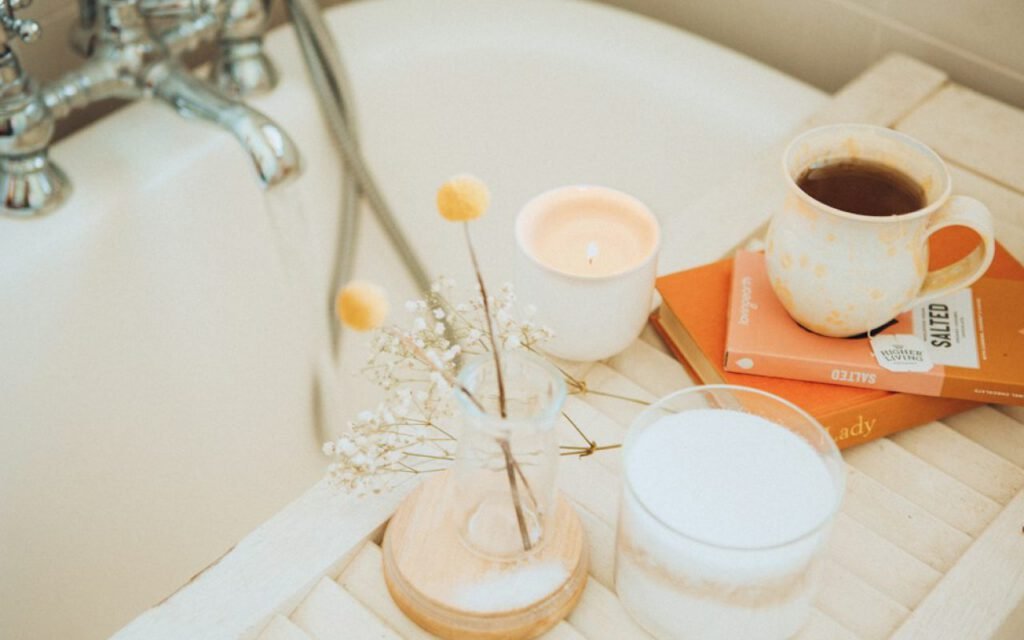

Written by
Iris Cole
Iris writes about sleep, rest and the radical act of doing nothing.
8Articles
2026Writing since
Self-care is less about spa days and more about small, regular acts of kindness to yourself. Scroll through social media and you might think self-care means expensive candles, weekend retreats and elaborate skincare routines. Those things can be lovely, but they are not the heart of it. Real self-care is quieter and more ordinary. It is going to bed on time, eating lunch away from your desk, taking a walk when you feel tense, and saying no to a request that would stretch you too thin. A bath, a walk, a no: all count. At Clear Mind we believe these small acts deserve far more credit than they get.
Why self-care isn’t selfish
Many people, especially caregivers, parents and those in helping jobs, feel guilty about taking time for themselves. There is always someone else who needs something, and putting your own needs first can feel indulgent. But caring for yourself is not taking something away from others. It is what allows you to keep showing up for them.
Think of it like a car. If you never stop for gas, never change the oil and never rotate the tires, eventually the car stops running. Self-care is the regular maintenance that keeps you going. It is not a luxury; it is a basic part of living a sustainable life.
Self-care is the maintenance that keeps you going.
Our wellbeing editor
When you are rested, fed and less stressed, you often have more patience, more energy and more warmth to share. The people around you benefit when you take care of yourself.
Small acts that count
Self-care does not need to be time-consuming or expensive. In fact, the most effective acts are often the simplest ones you can repeat every day. Here are some small acts that readers tell us make a real difference:
- Drinking a full glass of water when you wake up.
- Eating a real lunch, sitting down, without working at the same time.
- Stepping outside for five minutes of fresh air.
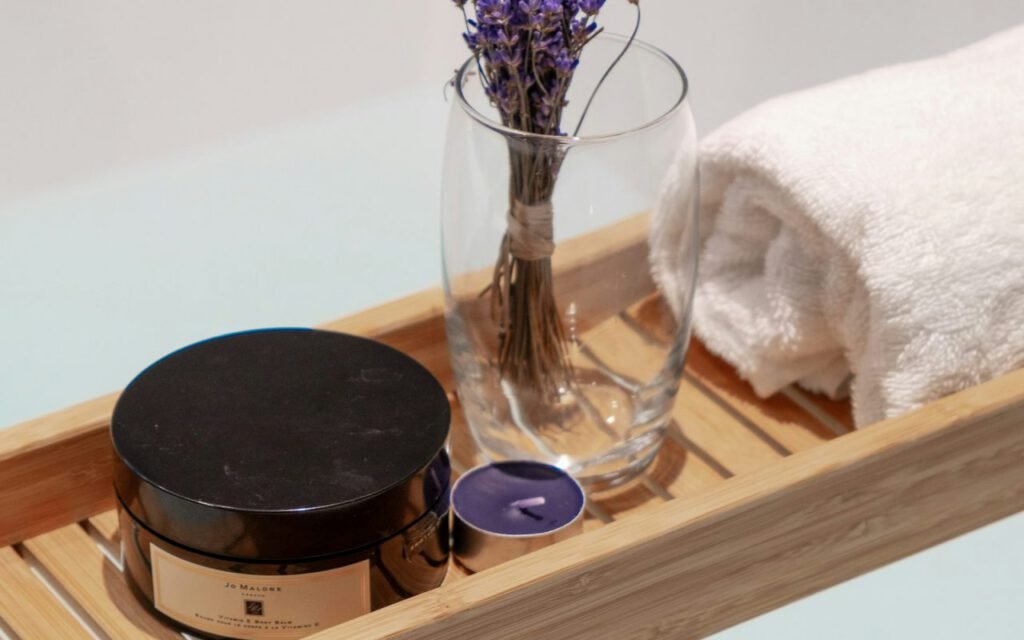
- Taking a warm bath or shower and letting it last a little longer.
- Putting on comfortable clothes at the end of the day.
- Texting a friend just to say hello.
- Making your bed so your room feels calmer.
- Listening to a favorite album all the way through.
- Stretching for a few minutes before bed.
- Turning off notifications for an evening.
None of these will change your life overnight. But together, practiced regularly, they can make days feel a little more manageable and a lot more humane.
Rest counts
Sleep, breaks and doing nothing are part of self-care. In a culture that often celebrates being busy, rest can feel like wasted time. It is not. Rest is when your body and mind recover from the demands of the day.
Sleep
Most adults do best with a regular sleep schedule. Going to bed and waking up around the same time each day, keeping the bedroom dark and cool, and winding down without screens can all support better rest. If you regularly struggle with sleep, talk with your doctor.
Breaks
Short breaks during the day help you reset. Stand up, stretch, look out a window, get a glass of water or step outside. Even a two-minute pause between tasks can help you return with a clearer head.
Doing nothing
Sometimes the most restorative thing you can do is nothing at all. Sitting on the porch, watching clouds, lying on the couch without a phone: these moments of unstructured time let your mind wander and rest. Give yourself permission to do nothing without guilt.

Boundaries count
Saying no can be the kindest thing you do all week. Boundaries are limits you set to protect your time, energy and wellbeing. They might sound like “I can’t take on another project this month,” “I’m not available on weekends” or “I need to leave by six tonight.”
Setting boundaries can feel uncomfortable, especially if you are used to saying yes to everything. But every yes to something that drains you is a no to something that restores you. Here are a few ways to practice:
- Pause before you answer. Try “Let me check my calendar and get back to you,” which gives you time to decide.
- Keep it short. You do not need to give a long explanation. “Thanks for thinking of me, but I can’t this time” is enough.
- Offer an alternative if you want to. “I can’t help this week, but I could next Tuesday” can be a kind middle ground.
- Protect your rest. Treat sleep, meals and downtime as appointments that matter.
- Expect some discomfort. Others may need time to adjust to your new boundaries, and that is okay.
Boundaries apply to technology, too. Turning off work email after a certain hour, muting group chats or deleting an app that leaves you feeling worse are all ways of setting healthy limits.
Making self-care a habit
The most helpful self-care is the kind you actually do. Rather than planning a big monthly treat, try building a few small acts into your daily routine. You might start each morning with a glass of water and five minutes by the window, take a walk after lunch, and end each evening with a warm shower and a book.
It can also help to notice your early warning signs. Maybe you get irritable when you skip meals, or your shoulders tense when your calendar is too full. When you spot those signs, treat them as a cue for a small act of care, such as a snack, a break or a no.
Some readers find it helpful to keep a short “care menu” on the fridge: a list of five or six small things that reliably help them feel better, sorted by how much time they take. One-minute options might include a glass of water or three slow breaths. Ten-minute options might include a walk around the block or a phone call with a sibling. When you are tired or stressed, deciding what to do can feel like too much, and a ready-made list removes that last bit of effort. Update it as you learn what works for you.
Self-care looks different for everyone. A busy parent’s version might be ten quiet minutes in the car before going inside. A retiree’s might be a weekly coffee with friends. A college student’s might be a regular bedtime during exam week. Choose what fits your life.
When self-care isn’t enough
Small acts of kindness to yourself can make a real difference, but they are not a replacement for professional support. If you are feeling persistently low, anxious, exhausted or overwhelmed, please talk with a doctor or licensed mental-health professional. Asking for help is one of the most important forms of self-care there is.
Kindness to yourself, every day
Self-care is not selfish. It is the everyday maintenance that keeps you healthy, steady and able to care for the people and things you love. A warm bath, a walk outside, a good night’s sleep and a kind but firm no all count.
Today, choose one small act of care and do it without apology. Then do it again tomorrow.
Key takeaway: Self-care is built from small, regular acts. Rest and boundaries count just as much as baths and walks.
General wellbeing information, not medical or mental-health advice. If you are in crisis in the US, call or text 988 to reach the Suicide & Crisis Lifeline.
Written by
Iris Cole
Iris writes about sleep, rest and the radical act of doing nothing.
8Articles
2026Writing since
Read next
Calm at HomeA Bedroom Built for Better SleepCool, dark, quiet — and no phones. ConnectionWhat Therapy Is Really Like (and How to Start)Finding a therapist, the first session and what to expect.
 Calm at HomeThe Case for a Phone-Free HourOne hour a day, no screens, real rest.
 Calm at HomeHerbal Tea Rituals for Winding DownThe comfort of a warm cup — and the ritual around it.
 ConnectionFriendship Is Good for YouWhy connection matters and how to make time for it.
 Digital CalmGentle Yoga for Stress ReliefChild’s pose, legs up the wall and slow breathing.
 Calm at HomeMorning Light: A Gentle Start to the DayOpen the curtains before you open your phone.
 Digital CalmMindfulness at Work: Five Micro-BreaksTiny pauses that make long days easier.
 Calm at HomeCreating a Calm Corner at HomeA chair, a plant and a little quiet.
Start the conversation