



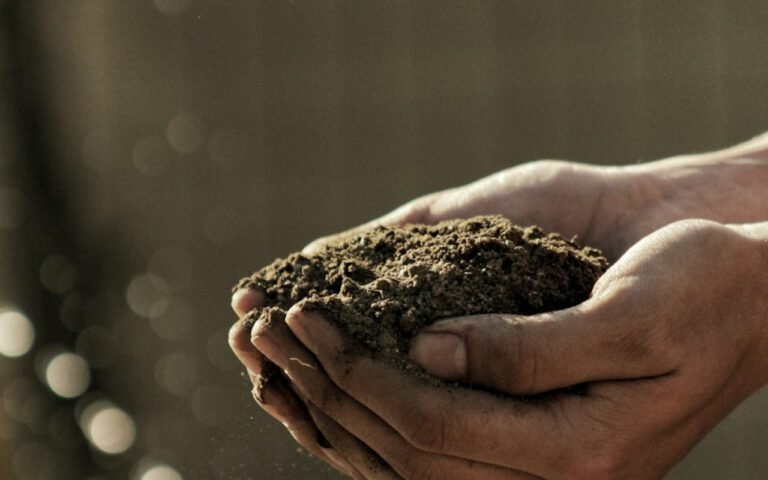
 Everyday LivingComposting 101: Turning Scraps Into SoilCut food waste and feed your garden.
Community Eli Rivers6 min read
Climate Anxiety: Turning Worry Into Action
Feel it, share it, then pick one thing to do.
Eli Rivers6 min read

Written by
Eli Rivers
Eli covered energy for a decade and now writes about the solutions that are already working.
7Articles
2026Writing since
It often shows up at strange moments. Scrolling the news before bed. Watching smoke turn a September sky orange. Hearing your kid ask, out of nowhere, whether polar bears will be okay. A tight feeling in the chest, a spiral of what-ifs, a sense that the problem is too big and you are too small. If that sounds familiar, you are far from alone. Worry about climate change is common. Action and community can help. Neither one makes the problem disappear, but together they can make the weight easier to carry and turn it into something useful.
At Greenline, our readers write to us about climate worry more than almost any other topic. Some feel it as a low background hum, others as sharp waves of fear or grief. We are a climate magazine, not a clinic, so this article is not medical advice. It is a gathering of widely shared, practical ideas that many people find helpful, along with a reminder to reach out to a professional if worry starts to take over your days.
Name what you are feeling
Climate anxiety, sometimes called eco-anxiety, is a term people use for distress related to the changing climate. It can include worry, sadness, anger, guilt, frustration and even grief for places, seasons and species that are changing. Many people say they feel a mix of all of these.
These feelings are an understandable response to real news. They often come from caring deeply about the world, about future generations and about the places you love. Recognizing that can take away some of the shame or confusion that sometimes comes with them. You are not overreacting by caring.
It can help to notice how the feeling shows up for you. For some readers it is restlessness and a racing mind late at night. For others it is a heavy sadness after a wildfire season or a flood in a town they love. Some people feel anger at how slowly change seems to happen, while others feel guilty about every flight or plastic bag. Writing a few lines in a journal, or simply saying “I am feeling worried about the climate right now,” can create a little distance between you and the feeling. That small pause is often the first step toward choosing what to do next.
That said, feelings that never ease can wear you down. If worry is regularly disrupting your sleep, work, relationships or ability to enjoy daily life, it is a good idea to talk with a doctor or licensed mental health professional. Many therapists now have experience with climate-related distress. If you are ever in crisis, contact local emergency services or a crisis line right away.
Talk about it
One of the most common things we hear from readers is that they feel alone with their worry. They assume friends do not care or will think they are being dramatic. Often the opposite is true. Sharing worries with friends often makes them lighter.
You do not need a perfect script. A few ways to open the door:
- “Do you ever think about climate change? It has been on my mind a lot lately.”
- “I read something today that really stuck with me. Can I talk it through?”
- “I want to do more for the environment but I do not know where to start. Want to figure it out together?”
Some communities have formal spaces for this, such as climate conversation circles, library discussion groups or faith-based gatherings. The goal is not to solve the climate crisis over coffee. It is to feel heard and to remember that many people share your concern.

Turn down the noise
Staying informed matters, but there is a difference between being informed and being flooded. Endless scrolling through disaster headlines can feed anxiety without giving you anything you can actually do with the information.
Some simple boundaries can help:
- Choose a few trusted sources and check them at set times instead of all day.
- Avoid climate news right before bed.
- Balance hard news with stories about solutions, progress and people making a difference.
- Mute or unfollow accounts that leave you feeling hopeless rather than motivated.
- Spend time outdoors. A walk under trees or along water is a reminder of what you care about.
Basic self-care matters too. Sleep, movement, time with people you love and activities that bring you joy are not distractions from climate work. They are what make it possible to keep going.
Hope is a verb.
Our climate editor
Pick one thing
Here is the idea at the heart of this article: anxiety tends to shrink when it has somewhere to go. Join a local group or start one habit, because action builds hope. You do not need to do everything. You need to do something, and then keep doing it.
The key is to pick an action that matches your energy, time and talents. Greenline’s “what’s your climate superpower?” quiz is a fun way to find your fit. Here are some starting points, grouped by how much time you have:
If you have ten minutes
- Sign up for your utility’s renewable energy plan or home energy audit.
- Add a climate pledge to Greenline’s reader pledge tracker.
- Write or call a local official about an issue you care about, such as bike lanes or tree planting.
If you have a weekend
- Volunteer at a tree planting, beach cleanup or community garden workday.
- Set up a compost bin or rain barrel at home.
- Host a clothing swap or repair day with friends.
If you want something ongoing
- Join a local environmental group, neighborhood association or school sustainability committee.
- Bring climate ideas to your workplace, faith community or PTA.
- Commit to a new habit, like biking one commute a week or cooking one more plant-based dinner.
Find your people
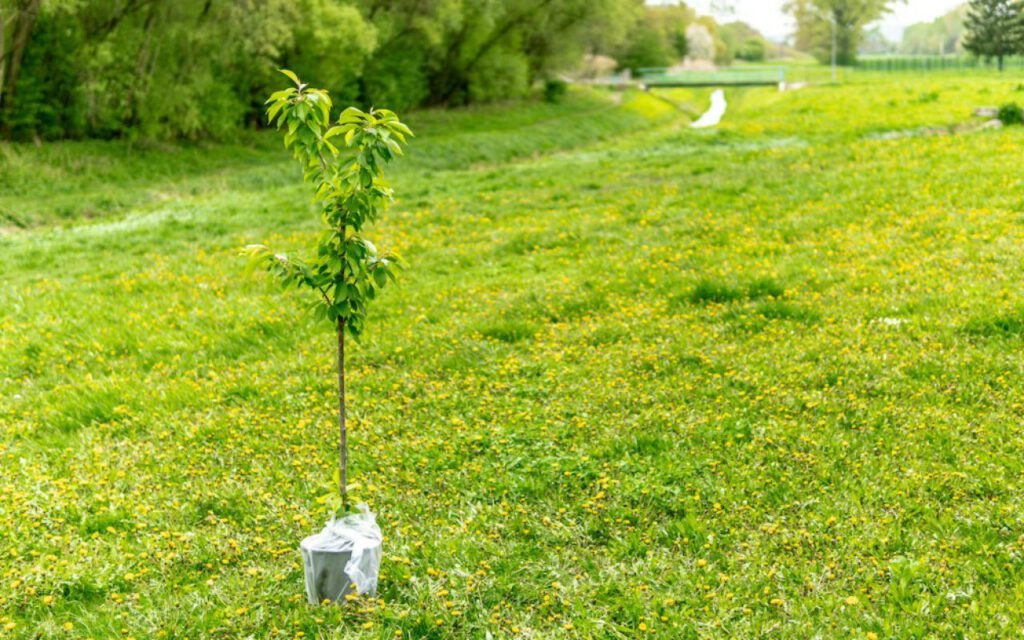
Acting alone can feel like bailing out the ocean with a teaspoon. Acting with others feels different. Community groups give you companionship, shared purpose and the chance to see real results, like a new bike lane, a cleaner creek or a park full of saplings. They also give you a place to celebrate small wins, which is one of the best antidotes to despair.
If you are not sure where to look, try Greenline’s community action calendar, your local library, parks department or a nearby college. Faith communities, scout troops, garden clubs and neighborhood associations often have climate or environmental projects too. If nothing exists, consider gathering a few friends and starting your own small group. A monthly meetup with one shared project is enough.
Key takeaway: Feel it, share it, then pick one thing to do. If worry starts to interfere with daily life, reach out to a doctor or licensed counselor for support.
Hope you can practice
Hope is not the same as optimism. Optimism assumes things will turn out fine. Hope is the decision to work toward a better outcome even when the future is uncertain. That is why it is a verb. You practice it by showing up, planting the tree, making the call, talking with your neighbor and doing it again next week.
Climate anxiety may not vanish entirely, and that is okay. It is a sign that you care. The goal is to keep it from freezing you in place. Talk about it, take care of yourself, choose one meaningful action and find people to share the work. Little by little, worry can become something steadier: a sense that you are part of the solution, alongside millions of others doing the same.
Written by
Eli Rivers
Eli covered energy for a decade and now writes about the solutions that are already working.
7Articles
2026Writing since
Read next
Everyday LivingComposting 101: Turning Scraps Into SoilCut food waste and feed your garden. CommunityPlanting Trees: Where It Helps MostThe right tree, in the right place, cared for over time.
 CommunityRooftop Gardens Are Cooling CitiesGreen roofs, shade and fewer heat islands.
 Everyday LivingReusable Swaps That Actually StickBags, bottles and containers — without the guilt.
 EnergyYour Home’s Biggest Energy WinsInsulation, sealing drafts and smart thermostats.
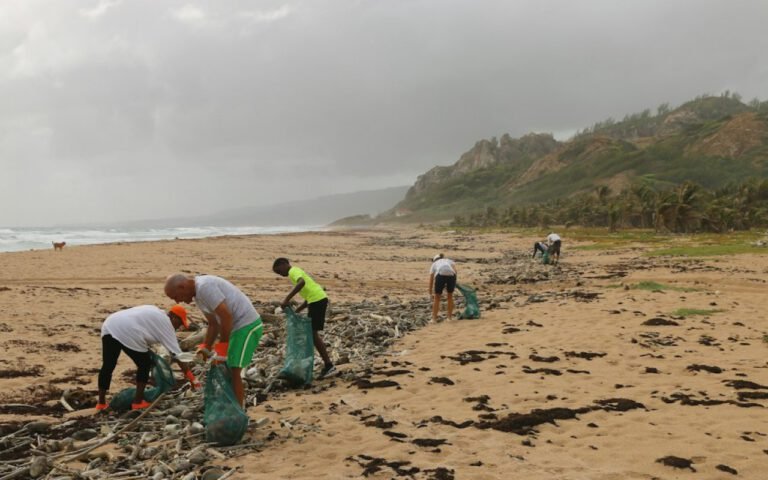 CommunityBeach Cleanups: How to Join (or Start) OneGloves, bags and data that helps scientists.
 CommunityCommunity Gardens Grow More Than FoodNeighbors, shade and fresh produce.
 Everyday LivingSaving Rainwater for Your GardenRain barrels, mosquito screens and simple setups.
 Everyday LivingClothing Swaps: Refresh Your Closet for FreeBring five, take five, keep fashion out of landfills.
Start the conversation