

 Book ClubsWhy Typewriters Are Having a MomentWriters are rediscovering the clack of the keys.
Bookstores & Libraries Rosa Diaz6 min read
Inside America’s Coziest Used Bookstores
Creaky floors, shop cats and the thrill of the find.
Rosa Diaz6 min read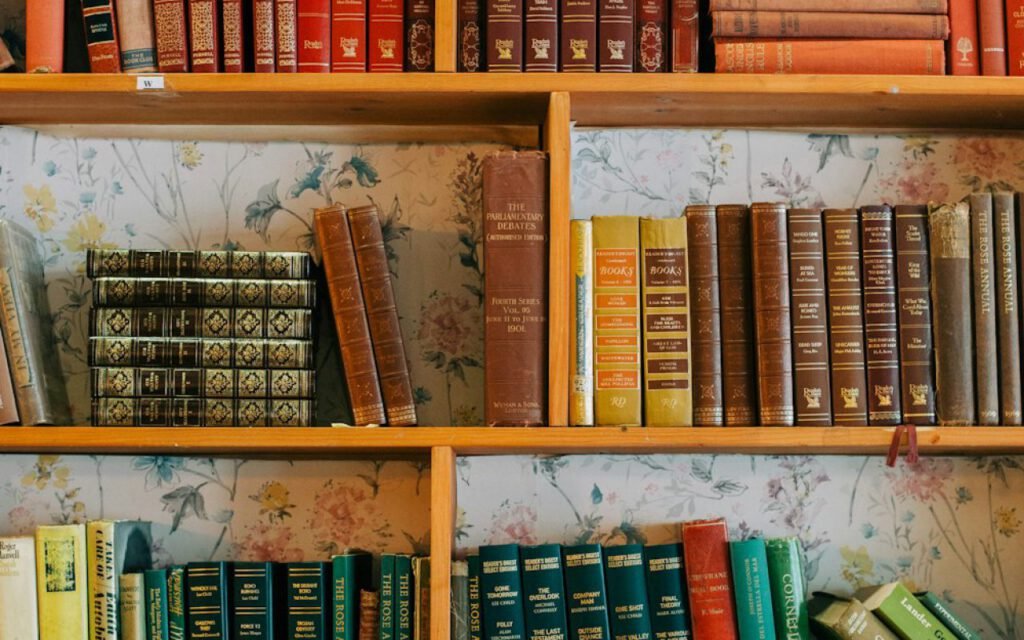
There is a particular smell that greets you when you push open the door of a good used bookstore: old paper, a little dust, maybe coffee from a pot behind the counter and the faint vanilla note that aging pages seem to give off. The floor creaks. A bell jingles. Somewhere in the back, a cat stretches on a stack of paperbacks and decides you are not worth getting up for. We asked readers to nominate their favorite (fictional) used bookstores. Here are the ones that made us want a road trip. Hundreds of letters and emails poured in, each one describing a shop with the kind of love usually reserved for old friends.
Five shops worth the drive
Narrowing the list was painful. In the end, we chose five stores that captured what readers told us they treasure most: personality, a sense of discovery and owners who know their stock by heart.
Second Chapter Books — Burlington, Vermont
Tucked into a former hardware store a few blocks from Lake Champlain, Second Chapter has tall shelves, rolling ladders and a reading corner with two armchairs that readers say are “impossible to leave.” Its poetry section, which fills an entire wall, drew more nominations than any other single feature on our list. The owner keeps a handwritten list of customers’ wish-list titles and calls when one turns up.
The Crooked Shelf — Santa Fe, New Mexico
Housed in an adobe building with thick walls that keep it cool in summer, The Crooked Shelf specializes in books about the Southwest: history, art, hiking guides and regional cookbooks. Several readers mentioned the small courtyard out back, where you can sit with a find and a glass of iced tea under a shady cottonwood.
Lantern & Leaf — Savannah, Georgia
This narrow shop in a historic row house stretches back through four small rooms, each one darker and more cluttered than the last. Readers love the Southern literature section and the shop’s two cats, Biscuit and Mr. Darcy, who have their own fans and, we are told, their own holiday cards.
The Dusty Jacket — Duluth, Minnesota
A favorite of winter visitors, The Dusty Jacket has a wood stove, a basket of free bookmarks and a back room devoted entirely to maps, atlases and old travel guides. Several nominations described spending entire snowy afternoons there.
Old Bones Books — Bisbee, Arizona
Perched on a steep street in a former mining town, this tiny shop is famous for its science and natural history shelves, from field guides to vintage textbooks. It is small enough that the owner can point you to any book in seconds.
The finds
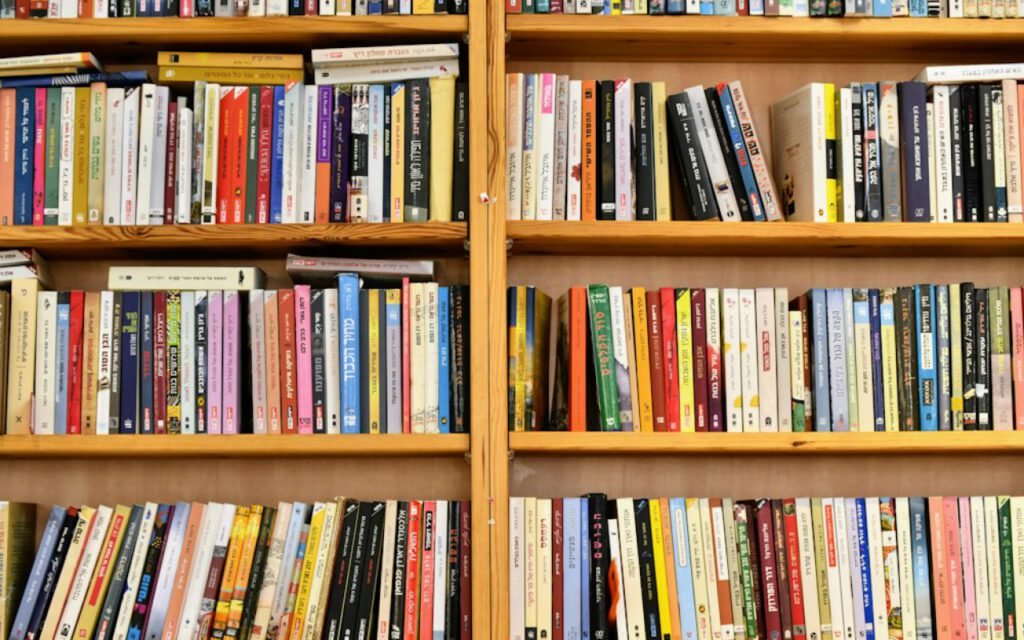
First editions, forgotten poetry and notes in margins from readers long ago. Ask anyone who loves used bookstores and they will tell you about the thrill of the find. It is a feeling that no algorithm can quite replicate: you go in looking for nothing in particular and walk out holding exactly what you did not know you needed.
Readers shared some wonderful stories. One found a first-edition copy of a beloved childhood novel for $6, still wrapped in its original dust jacket. Another discovered a slim volume of poems by a local writer who had self-published in the 1970s and was otherwise forgotten. A retired teacher in Ohio told us about buying an old cookbook and finding a recipe card tucked inside, written in careful cursive, for “Aunt Margaret’s Sunday Rolls.” She now bakes them every Thanksgiving.
The margins are often the best part. Used books carry underlined passages, dried flowers, ticket stubs, grocery lists and inscriptions from one person to another. “To Joe, for the long train ride home. Love, Ellie, 1964.” Those small traces turn a book into a link between strangers across decades.
Every used book has two stories — the one inside and the one it lived.
Owner of Second Chapter Books (fictional)
Shop cats and other regulars
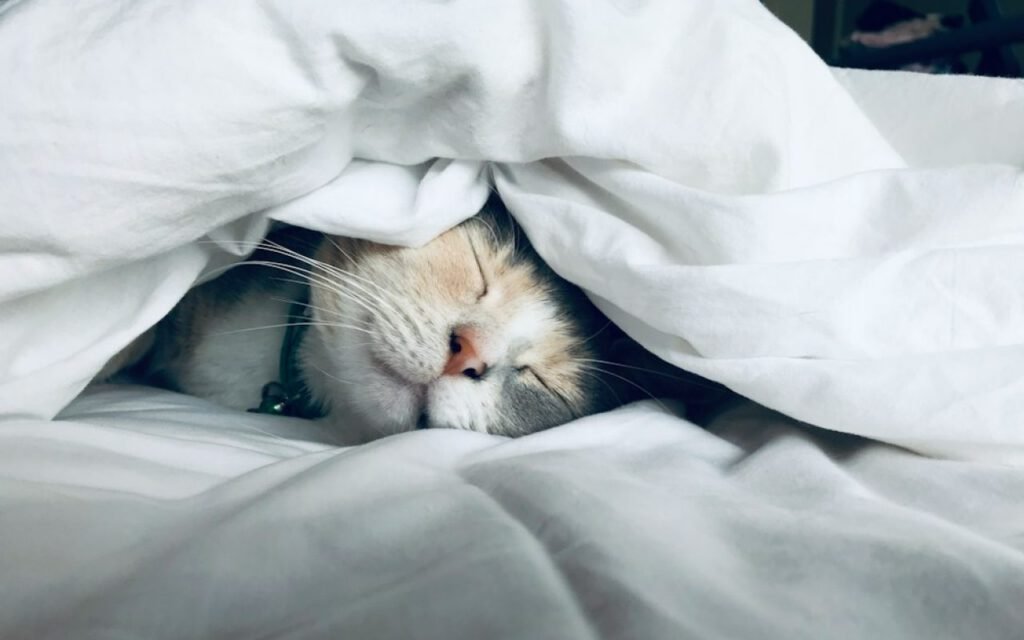
It is hard to talk about cozy bookstores without talking about cats. Nearly a third of the stores readers nominated have a resident feline, and many letters spent as much time praising the cat as the books. There is something about a sleeping cat on a sunny windowsill that makes a shop feel like home and invites you to slow down.
The human regulars matter just as much. Many used bookstores serve as unofficial community centers, with bulletin boards, poetry readings, book swaps and small writing groups that meet after closing. Owners told us that some customers have been coming in every week for decades, and that their kids, and now grandkids, have grown up wandering the children’s section.
How to shop a used bookstore
A secondhand shop rewards a different approach than a big chain store. Here is how seasoned browsers make the most of a visit:
- Give yourself time. The best finds rarely appear in the first ten minutes. Plan on at least an hour.
- Ask the owner. Many keep an encyclopedic mental map of their stock and love to help.
- Look high and low. Bottom shelves and top shelves often hide overlooked gems.
- Check the dollar carts. Bargain bins outside the door can turn up surprising treasures.
- Bring a list, but stay flexible. Know what you are hunting for, then let yourself wander.
- Trade in your own books. Many shops offer store credit for gently used books, which keeps the shelves fresh.
If you are interested in collectible books, it is worth learning a little about how to identify first editions and judge condition. Many owners are happy to explain what makes a particular copy valuable, and they can recommend reputable guides.
Support them
Independent bookstores rely on regulars. Visit, browse and buy. Used bookstores often operate on tight margins, especially as rents rise in popular downtowns. The owners we talked to were candid: a shop full of happy browsers is lovely, but the lights stay on because people buy books.
Supporting your local shop does not have to be expensive. A few ideas:
- Buy one book every time you visit, even an inexpensive paperback
- Give gift cards for birthdays and holidays
- Attend readings, book swaps and community events
- Follow the shop online and share its posts with friends
- Leave a kind review and tell people where you found your latest favorite
Key takeaway: a used bookstore is more than a store. It is a gathering place, a treasure hunt and a living archive of a community’s reading life, and it needs regular customers to survive.
Many shops also sell online now, listing rare and hard-to-find titles for readers far away. If you cannot visit in person, ordering directly from an independent used bookstore is another way to keep it going, and the owners often tuck in a handwritten thank-you note.
Plan your bookish road trip
Many of our readers said they now plan vacations around bookstores, stopping at a shop in every town on the route. It is a lovely way to travel. You get to know a place through its shelves: what its people read, what history they care about and which local authors they treasure.
So pack a tote bag, leave a little room in the trunk and take the long way home. Somewhere along the road is a creaky floor, a sleeping cat and a book that has been waiting for you. And if your favorite shop did not make our list this year, write and tell us about it. We are already planning next year’s road trip.

Written by
Rosa Diaz
Rosa is a public librarian who can find you the perfect book in under a minute.
5Articles
2026Writing since
Read next
Book ClubsWhy Typewriters Are Having a MomentWriters are rediscovering the clack of the keys. Bookstores & LibrariesReview: “North of Nowhere” Is a Thriller You’ll Read in One NightSnowbound, sharp and seriously addictive. ★★★★½
 Poetry & WritingThe Joy of Reading OutdoorsParks, porches and the best spots to read in the sun.
 Bookstores & LibrariesLibrary Reading Rooms Worth a TripQuiet, beautiful and free.
 Poetry & WritingTen Classic Poems Everyone Should Read AloudPoetry was made for the voice.
 Bookstores & LibrariesAudiobooks Count. Here’s Why.Listening is reading — science and joy agree.
 Bookstores & LibrariesThe Secret Life of Secondhand BooksNotes, bookmarks and inscriptions from strangers.
 Poetry & WritingAsk the Librarian: How Do I Pick My Next Book?A librarian’s favorite tricks for finding a great read.
2 Comments
Sharing this with my friends.
Saved this one for later. Really useful.