 Book ClubsThe Fall Books We Can’t Stop Talking AboutEight new (fictional) novels for long, cozy evenings.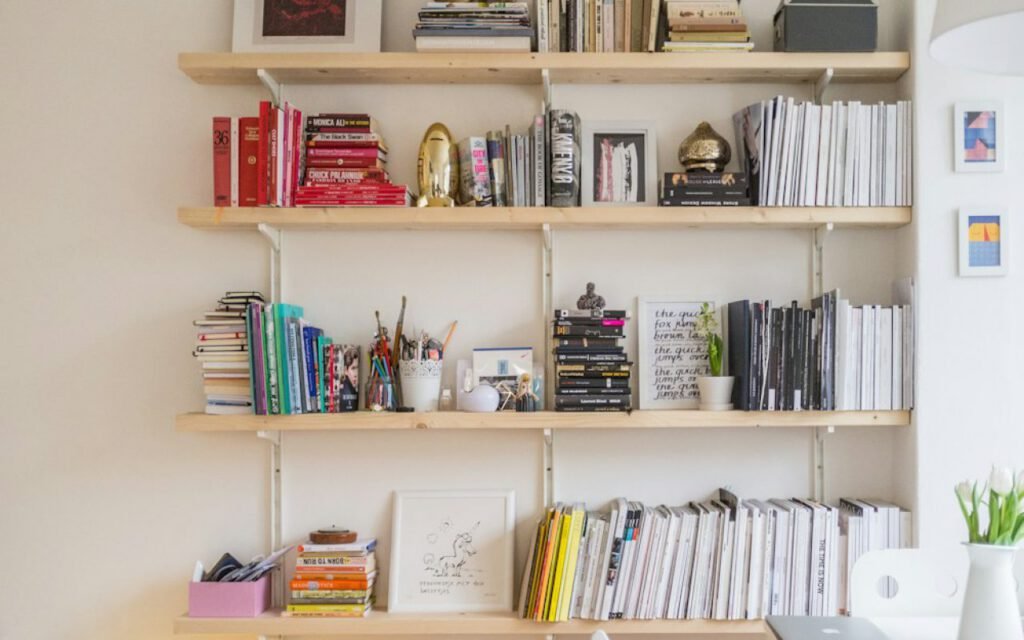
Home Library Owen Blake6 min read
Building a Home Library on a Budget
Shelves, secondhand finds and how to organize it all.
Owen Blake6 min readRead next
Book ClubsThe Fall Books We Can’t Stop Talking AboutEight new (fictional) novels for long, cozy evenings. Book ClubsHow to Start a Book Club That LastsPick the right size, the right snacks and the right books.
 Home LibraryReading More This Year: Small Habits That WorkTen pages a day adds up to a dozen books.
 Bookstores & LibrariesReview: “North of Nowhere” Is a Thriller You’ll Read in One NightSnowbound, sharp and seriously addictive. ★★★★½
 Book ClubsBook Club Questions for “The Orchard Letters”Ten questions to get your group talking.
 Bookstores & LibrariesLibrary Reading Rooms Worth a TripQuiet, beautiful and free.
 Book ClubsOrganizing Your Bookshelf by Color: Yes or No?Our editors fight about it so you don’t have to.
 Bookstores & LibrariesThe Secret Life of Secondhand BooksNotes, bookmarks and inscriptions from strangers.
Picture the dream library: floor-to-ceiling shelves, a rolling ladder, a leather armchair by a crackling fire. It is a lovely image, and it is also the reason many of us never start. We assume a real home library needs a big house and a bigger budget. It does not. A home library doesn’t need a mansion. One good wall of shelves can change a room. With a little patience, a few smart shopping habits and some creative thinking, you can build a collection you love without spending much at all.
Start with the shelves
Before you fill shelves, you need them, and this is where many people overspend. Shelving is often the biggest single cost of a home library, but there are plenty of ways to keep it affordable.

Simple, sturdy bookcases from big-box furniture stores are a reliable starting point, and they can look surprisingly polished when lined up side by side along one wall. Secondhand shelves are even better for your wallet. Check thrift stores, estate sales, garage sales and online marketplaces, where solid wood bookcases often sell for far less than new ones. A coat of paint can make a mismatched set look intentional.
If you are handy, wall-mounted shelves on brackets are one of the cheapest options. They also free up floor space, which helps in small apartments. Just make sure shelves are anchored securely into studs or with appropriate wall anchors. Books are heavy, and a full shelf can weigh much more than you expect. Tall freestanding bookcases should always be anchored to the wall, especially in homes with children or pets.
Think beyond the bookcase
Books can live in many places. A deep windowsill, the space above a doorway, the sides of a staircase or an old ladder leaning against a wall can all hold books. Stacks on a side table or a low bench can look charming, too. Some readers turn an unused closet into a tiny reading room with shelves on three sides and a small lamp.

Find books cheaply
Library sales, used bookstores and book swaps are treasure troves. Once you start looking, you will find that books are everywhere, often for a dollar or two, sometimes for free.
Library book sales are the stuff of legend among bargain hunters. Many public libraries hold sales several times a year to clear out donated books and older copies. Prices are low, and on the final day, some sales offer a “fill a bag for $5” deal. Arrive early for the best selection, bring your own sturdy tote and plan to dig.
Used bookstores are another reliable source. Many have clearance carts outside the door and will give you store credit when you trade in books you no longer want, which keeps your collection fresh without adding cost. Thrift stores, estate sales and yard sales round out the hunt. Estate sales can be especially good for older hardcovers, classics and art books.
A wall of books makes any room feel lived in.
Our home editor
Where to look
- Library book sales
- Little free libraries
- Swap nights with friends
Little free libraries, the small wooden boxes that have popped up on front lawns and street corners across the country, work on a simple promise: take a book, leave a book. They are a great way to find surprising titles and to pass along books you have finished. If you take often, make a habit of giving back.
Swap nights are one of our favorite ideas. Invite a few friends, ask everyone to bring five to ten books they are ready to part with and lay them out on a table. Everyone takes turns choosing. Add snacks and good conversation, and you have a free evening out and a fresh stack of reading. Leftover books can go to a local library donation bin or a little free library.
Be choosy about new books
There is nothing wrong with buying new books, especially from independent bookstores that need the support. To stretch your budget, save new purchases for the titles you truly love or want to keep forever, such as a favorite author’s latest novel or a beautiful edition of a classic. Borrow the rest from the library first and buy only the ones you know you will reread.
Organize your way
By genre, by color or by mood — there are no rules. The best system is the one that makes you happy and helps you find what you are looking for.
- By genre. Group fiction, history, cookbooks, poetry and so on. It is practical and familiar, like a small bookstore.
- Alphabetically by author. Ideal for large fiction collections and anyone who likes to find a specific book quickly.
- By color. Rainbow shelves make a striking display, though you may need to remember what color your favorite book is.
- By mood or memory. Some readers group books by the season they read them in, the trip that inspired them or the feelings they evoke.
- By size. Placing tall books on lower shelves and paperbacks up top creates tidy lines and keeps heavy books low.
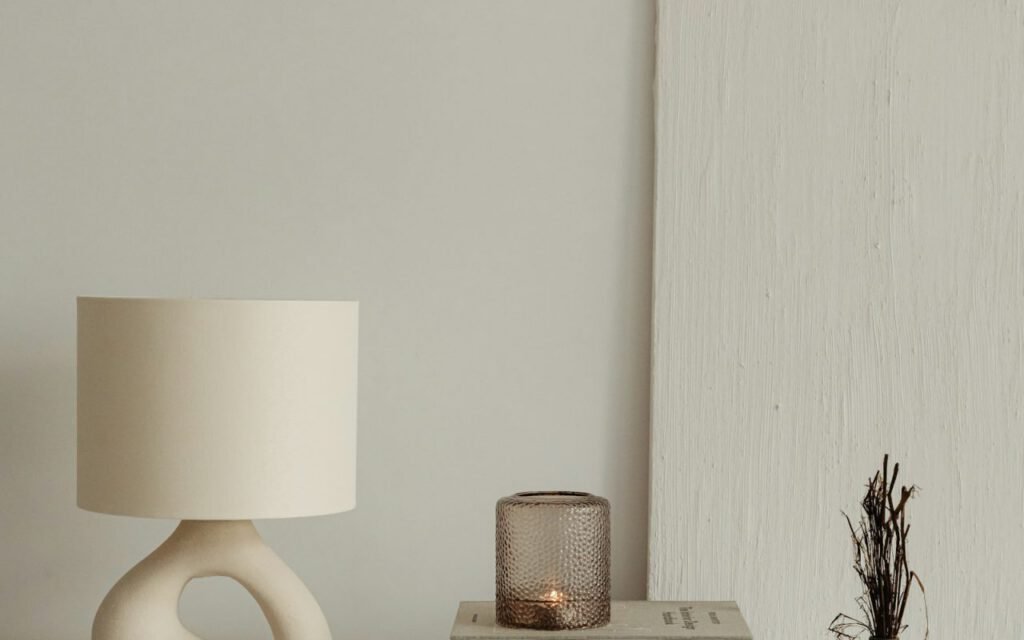
Mix in a few objects, like a plant, a framed photo, a candle or a small sculpture, to break up long rows and give the eye a place to rest. Leave a little empty space on each shelf so your library has room to grow.
Edit as you go
A budget library stays lovely when you prune it now and then. Once or twice a year, pull out the books you know you will never read again, the duplicates and the paperbacks that have fallen apart. Pass them along to a friend, a swap night, a little free library or a used bookstore for credit. Editing your shelves makes room for new finds, keeps the collection feeling personal and stops it from turning into clutter. Think of your library as a garden: it grows best with a little regular tending.
Make it a place to read
A home library is not only a place to store books. It is a place to enjoy them. Even a small corner can become a reading nook with a comfortable chair, a good lamp and a little table for a cup of tea. Warm, adjustable lighting is one of the most important details. Look for a floor lamp or a clip-on light that shines over your shoulder onto the page.
Keep books in good shape by avoiding direct sunlight, which can fade spines, and damp spaces like basements, which can lead to mildew. A quick dusting every few months keeps shelves looking fresh. If you want to keep track of your collection, a simple notebook or a free cataloging app can help, especially if you lend books to friends.
Key takeaway: a beautiful home library comes from patience and curiosity, not a big budget. Collect slowly, choose what you love and let the shelves grow with you.
Let it grow
The best home libraries are never finished. They grow book by book, find by find, filled with titles that tell the story of the people who live there. That paperback from a library sale, the poetry collection from a friend’s swap night and the novel you rescued from a little free library box all become part of your personal history.
So start with one shelf. Fill it with the books you love, leave room for the ones you have not found yet and enjoy the hunt. Before long, you may need another wall.

Written by
Owen Blake
Owen covers toddlers, big kids and the art of getting everyone out the door on time.
15Articles
2026Writing since



Start the conversation