



 Home LibraryReading More This Year: Small Habits That WorkTen pages a day adds up to a dozen books.
Poetry & Writing Nell Hart7 min read
The Joy of Reading Outdoors
Parks, porches and the best spots to read in the sun.
Nell Hart7 min read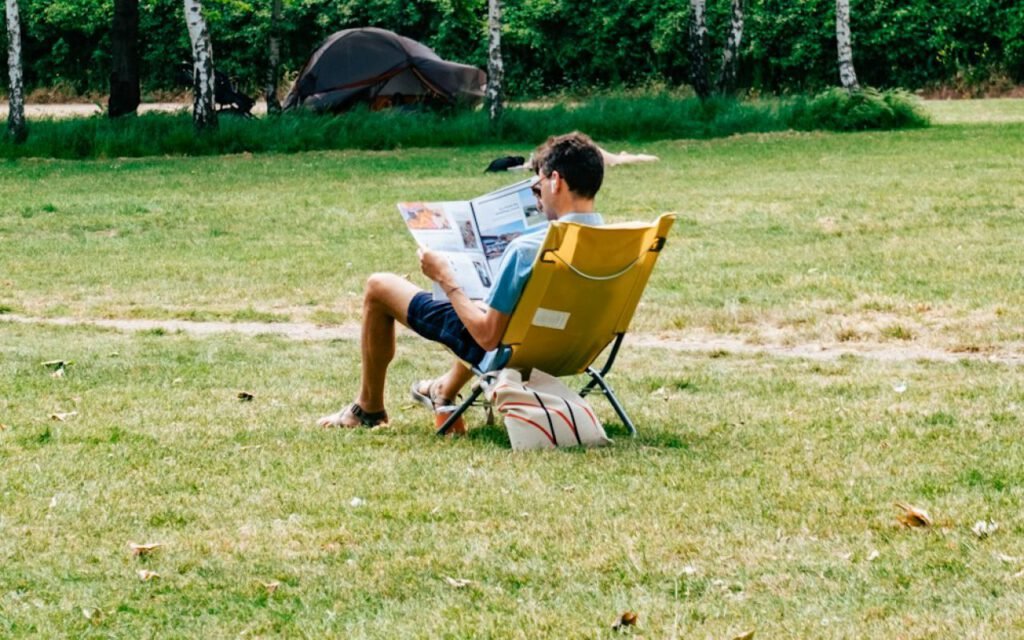

Written by
Nell Hart
Nell reads 100 books a year and has strong feelings about all of them.
6Articles
2026Writing since
There is something special about reading under a tree. The light moves across the page, a breeze lifts the corner of a chapter, and a book you might have abandoned on the couch suddenly holds you for two straight hours. Somewhere between the birdsong and the distant sound of a neighbor’s lawn mower, reading stops feeling like a task on your list and starts feeling like a small vacation. Here’s how to make it a habit, whether you have a backyard, a city park down the street or just a sunny front step.
At Dog-Eared we asked readers to tell us where and how they read outside, and the letters poured in from all over the country. A retired teacher in Asheville reads on the same porch swing every morning before the heat sets in. A night-shift nurse in Phoenix saves her outdoor reading for late October, when the desert finally cools off. A dad in Minneapolis reads picture books aloud to his twins on a blanket in the park every Saturday. Their routines are different, but their advice was remarkably similar.
Why the outdoors changes how we read
Many readers say they focus better outside, and it makes sense. There is no television in the corner, no pile of laundry waiting, and if you leave your phone in your bag, no notifications either. Outdoor sounds tend to be steady and soft, which gives your mind something gentle to rest against rather than something to fight.
There is also the simple pleasure of being in the sun. Plenty of people find that time outside lifts their mood, and pairing it with a good book doubles the reward. One of our editors calls it “stacking good habits”: you get fresh air, a little movement walking to your spot, and a chapter or three, all in the same hour.
Bring the right gear
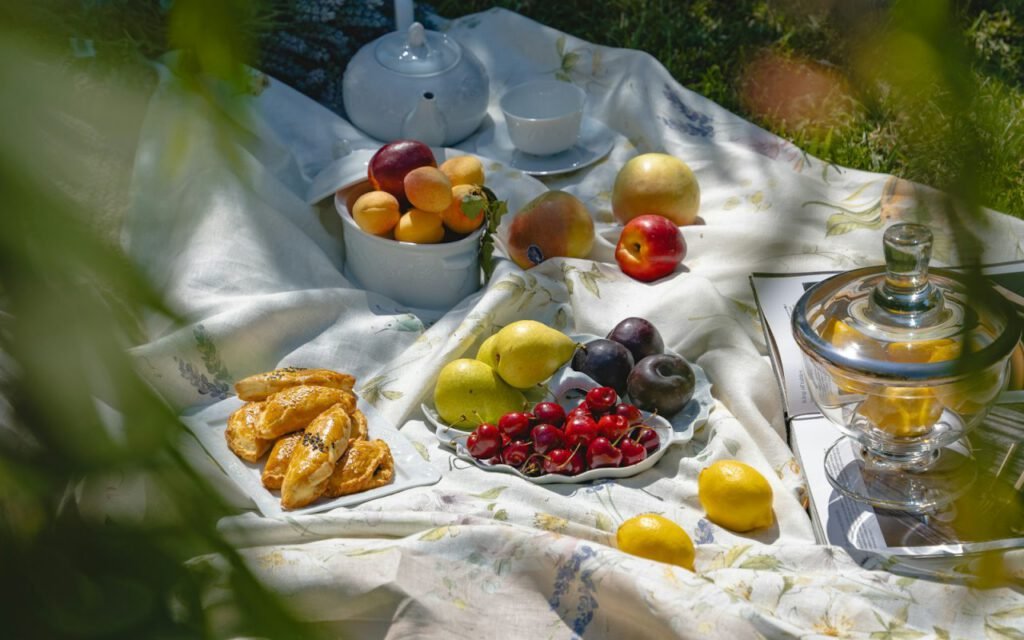
You don’t need much. A light chair or blanket, sunglasses and a paperback you don’t mind scuffing will cover most afternoons. That last point matters more than you might think. Outdoor reading is hard on books, with sunscreen fingerprints, grass stains and the occasional sudden shower. Save the signed first edition for the armchair and bring a used copy or a library book instead.
Here is the kit our readers recommend most often:
- A folding chair, a camp stool or a thick blanket with a waterproof backing
- Sunglasses and a wide-brimmed hat to cut the glare off white pages
- Sunscreen and, in summer, bug spray
- A water bottle and a simple snack that won’t leave sticky fingers
- A clip or two to hold pages down on breezy days
- A tote bag big enough for one book and one backup
E-readers with matte screens can work well in direct sun, but tablets and phones often wash out. If you read digitally, try a shaded spot first. And always keep an eye on the forecast. A sudden thunderstorm can ruin a book faster than any coffee spill.
The best reading light is the sun.
Reader letter
Pick a regular spot
A favorite bench makes reading outside feel like a ritual. When you go to the same place again and again, your brain starts to connect that spot with settling in. You sit down, open the book and slip into the story faster than you would in a new location.
Your spot can be anywhere. Public parks are the obvious choice, and many cities have quiet corners even in busy downtowns. Botanical gardens, college quads, riverfront paths and library courtyards are all wonderful options. Some of our readers swear by cemetery benches, which are often shaded, peaceful and almost empty on weekday afternoons.
What to look for
- Shade that moves with you. A big tree gives you more options than an umbrella, since you can shift around it as the afternoon goes on.
- A little distance from paths. You want to hear the world, not be interrupted by it every few minutes.
- Something to lean on. A tree trunk, a low wall or a bench back will save your shoulders on long reads.
- Easy access to restrooms and water. It sounds unromantic, but it lets you stay longer.

Reading outside through the seasons
Spring and early fall are the easy months in most of the country, but outdoor reading doesn’t have to stop when the weather changes. In summer, go early or late. Morning light is soft and cool, and the golden hour before sunset is beautiful, if a little buggy. In fall, a flannel blanket and a thermos of coffee can stretch your season well into November.
Winter is where our northern readers get creative. A reader in Vermont reads for twenty minutes on her covered porch every snowy afternoon, wrapped in a sleeping bag with a hot water bottle at her feet. A couple in Colorado bring paperbacks on winter hikes and read at the summit, gloves off for just a page or two. These sessions are short, but readers say they feel twice as memorable.
Key takeaway: You don’t need perfect weather, just the right clothes and a shorter session when it is cold or very hot.
Make it social, or keep it solo
Outdoor reading can be wonderfully private, but it is also a natural fit for friends and families. Some of our readers run “silent book clubs” in local parks. Everyone brings their own book, reads quietly for an hour and then shares a few words about what they are reading. There is no assigned book and no pressure, which makes it easy for new members to join.
Families can turn it into a weekly outing. Pack a basket with picture books for the kids and a novel for the grown-ups, find a spot near a playground and take turns reading and watching. Children who see their parents reading for fun are often more curious about books themselves.
If you read in shared spaces, a little courtesy keeps everyone happy. Keep music and phone calls out of the picture, give other park visitors plenty of room, and pack out everything you bring, from snack wrappers to the stray bookmark that blew under the bench. Many parks also have little free libraries near the entrance or the playground. Bring a book you have finished and swap it for one you haven’t read. Several of our readers say some of their all-time favorite novels came from a weathered wooden box on a park path, chosen on a whim because the cover looked friendly.
Solo readers have their own rituals. A reader in Savannah told us she brings the same faded quilt to the same oak tree every Sunday, and the squirrels have learned to ignore her. A college student in Austin reads on the steps of his campus library between classes, one chapter per break. Neither of them plans the time carefully. They simply show up, and the habit takes care of itself.
Start this week
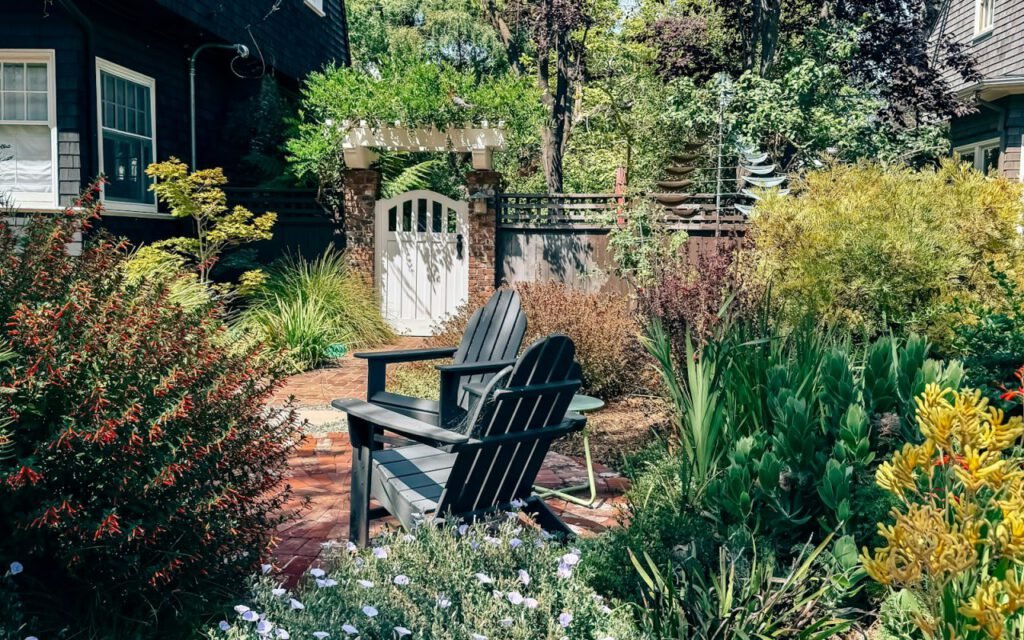
The easiest way to build the habit is to start small. Pick one day this week, put a book by the door the night before and give yourself thirty minutes outside. Don’t worry about how many pages you finish. Notice how the time feels instead.
If you enjoy it, make it a standing appointment. Many of our readers pair outdoor reading with something they already do, like a Sunday walk or a lunch break. Check our live weather widget before you head out, and if you need something new to bring along, try our “what should you read next?” quiz. Then go find your tree. The sun is doing its part. All you have to do is open the book.
Written by
Nell Hart
Nell reads 100 books a year and has strong feelings about all of them.
6Articles
2026Writing since
Read next
Home LibraryReading More This Year: Small Habits That WorkTen pages a day adds up to a dozen books. Bookstores & LibrariesInside America’s Coziest Used BookstoresCreaky floors, shop cats and the thrill of the find.
 Book ClubsWhy Typewriters Are Having a MomentWriters are rediscovering the clack of the keys.
 Poetry & WritingTen Classic Poems Everyone Should Read AloudPoetry was made for the voice.
 Bookstores & LibrariesAudiobooks Count. Here’s Why.Listening is reading — science and joy agree.
 Poetry & WritingAsk the Librarian: How Do I Pick My Next Book?A librarian’s favorite tricks for finding a great read.
Start the conversation