


 Home LibraryReading More This Year: Small Habits That WorkTen pages a day adds up to a dozen books.
Bookstores & Libraries Rosa Diaz6 min read
The Secret Life of Secondhand Books
Notes, bookmarks and inscriptions from strangers.
Rosa Diaz6 min read

Written by
Rosa Diaz
Rosa is a public librarian who can find you the perfect book in under a minute.
5Articles
2026Writing since
Every used book has two stories: the one printed on its pages and the one it picked up along the way. A secondhand paperback might have crossed the country in a suitcase, sat on a nightstand through a long winter, or been passed between friends for a decade before landing on a dollar cart outside a bookstore. Sometimes it carries proof. Readers sent us photos of things they found in used books: train tickets, love notes, pressed flowers. We were so charmed by the responses that we decided to share our favorites, along with a few thoughts on why these small discoveries mean so much.
When we put out the call in our newsletter, we expected a few dozen replies. We received hundreds. Some readers sent a single photo of a faded receipt. Others sent long letters about objects they had kept for years, tucked into frames or taped inside journals. Together they paint a picture of reading as something deeply shared, even between people who never meet.
Our favorites
A 1962 grocery list, a child’s drawing and a note that said “You’ll love chapter 9.” Those three finds rose to the top of our editors’ pile almost immediately, and each one tells a different kind of story.
The grocery list was found inside a cookbook at an estate sale in Ohio. Written in careful pencil, it included eggs, flour, two pounds of ground beef, “good coffee” and birthday candles. The reader who found it now keeps it on her refrigerator. “Somebody was planning a party,” she wrote. “I like to think it was a good one.”
The child’s drawing came from a picture book bought at a library sale in Texas. It shows a purple dog under a very large sun, signed in crayon by someone named Lily, age five. The reader who found it is a kindergarten teacher, and she says the drawing now hangs above her classroom reading corner.
And the note? It was written on a torn index card inside a used mystery novel from a shop in Oregon. It simply said, “You’ll love chapter 9.” The reader who found it admitted that she flipped ahead immediately. She did, in fact, love chapter 9.
What readers find
Beyond those standouts, certain kinds of objects came up again and again. If you shop for used books regularly, you have probably found a few of these yourself:
- Train, bus and airline tickets, often from trips decades ago
- Pressed flowers and four-leaf clovers, flattened between pages
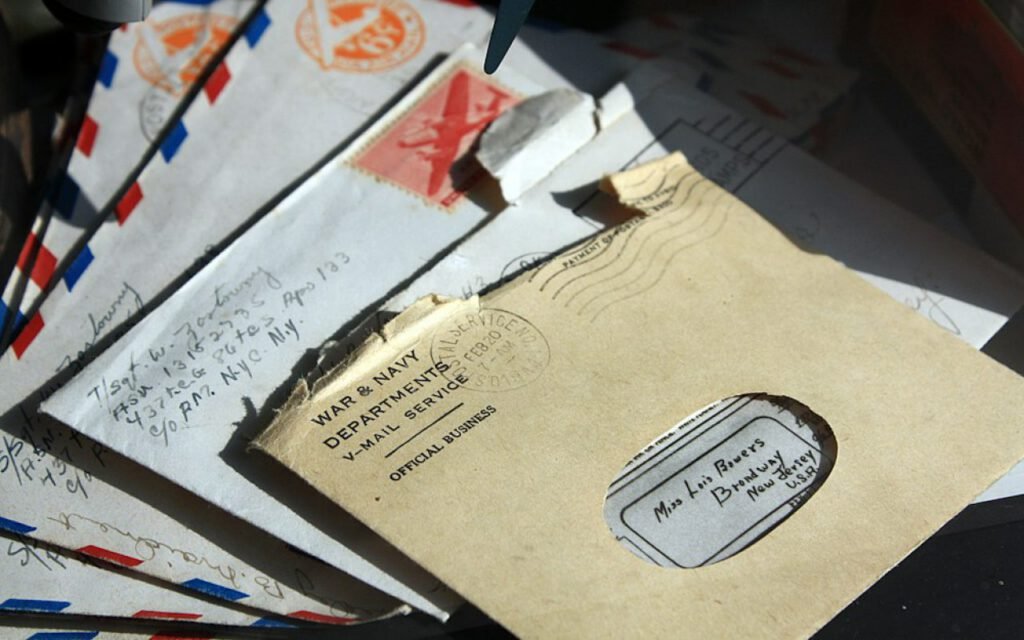
- Handwritten letters, postcards and love notes
- Old photographs, usually unlabeled and impossible to trace
- Library due-date cards stamped with dates from the 1970s and 1980s
- Recipes written on napkins, envelopes and the backs of receipts
- Bookmarks of every kind, from ribbons to a single playing card
Several readers also mentioned finding money, usually a single dollar bill or a two-dollar bill tucked inside a holiday book. One man in Michigan found a twenty-dollar bill in a biography and used it to buy three more used books from the same store, which seems exactly right.
I bought the book for the story and kept it for the note inside.
Reader letter
Booksellers see these treasures every day, and many keep a small collection of their own. The owner of a fictional shop we spoke with in Asheville, Second Chapter Books, keeps a corkboard behind the register covered in objects found in donated books: a Polaroid of a beach in Maine, a ticket stub from a county fair, a recipe for pecan pie and a fortune-cookie slip that reads “You will travel far.” She says customers linger at the board longer than at any display in the store, trying to guess the stories behind each item.
Inscriptions and marginalia
Some of the most moving finds aren’t objects at all but writing on the pages themselves. Inscriptions on the flyleaf often mark a gift: “For Mom, Christmas 1984,” or “Happy graduation, we are so proud of you.” Readers told us they feel a little like trespassers reading them, and also a little like guests.
Marginalia, the notes readers leave in the margins, can be even richer. A reader in Chicago found a used poetry collection where the previous owner had underlined a single line on almost every page and written dates beside them, as if marking a year of their life in verse. Another reader found a novel full of arguments in pencil, with one person’s comments answered by a second person in pen.
These traces remind us that reading isn’t always a solitary act. A book can hold the thoughts of several readers at once, layered over years. Even a single faint check mark next to a paragraph tells you that someone once paused there and thought, yes, this matters.
Should you write in books?
This is an old debate, and our editors are split. Some feel books should be kept clean for the next reader. Others believe a book with notes is a book that was loved and used. If you do write in your books, consider using pencil, which is easier on the paper and kinder to future readers who may want to erase a comment or two.
The ethics of the find
Most of what turns up in used books is harmless and anonymous. Occasionally, though, a reader finds something more personal, such as a family photo with names on the back or a letter with a full address. A few readers wrote to ask whether they should try to return these items.
There is no single answer, but kindness is a good guide. If something seems truly important, like a family photograph or an old document, you might ask the bookstore whether they know where the book came from. Some shops keep records of estate purchases. Local historical societies can sometimes help, too. Be thoughtful about sharing other people’s private details online, and avoid posting full names or addresses you find.
Key takeaway: Treat personal finds gently. When in doubt, share the story but not the private details.
Leave a note
Some readers now leave their own notes for the next person. This might be our favorite trend of all. It turns secondhand books into a slow, anonymous conversation between strangers who happen to love the same story.
If you would like to try it, here are a few ideas from readers who already do:
- Write a short note about your favorite chapter, without spoilers.
- Tuck in a bookmark you made or a postcard from your hometown.
- Leave a recommendation for another book the next reader might enjoy.
- Add the date and city where you finished it, so the book keeps a travel log.
- Keep it kind and simple. A single line is often the most memorable.
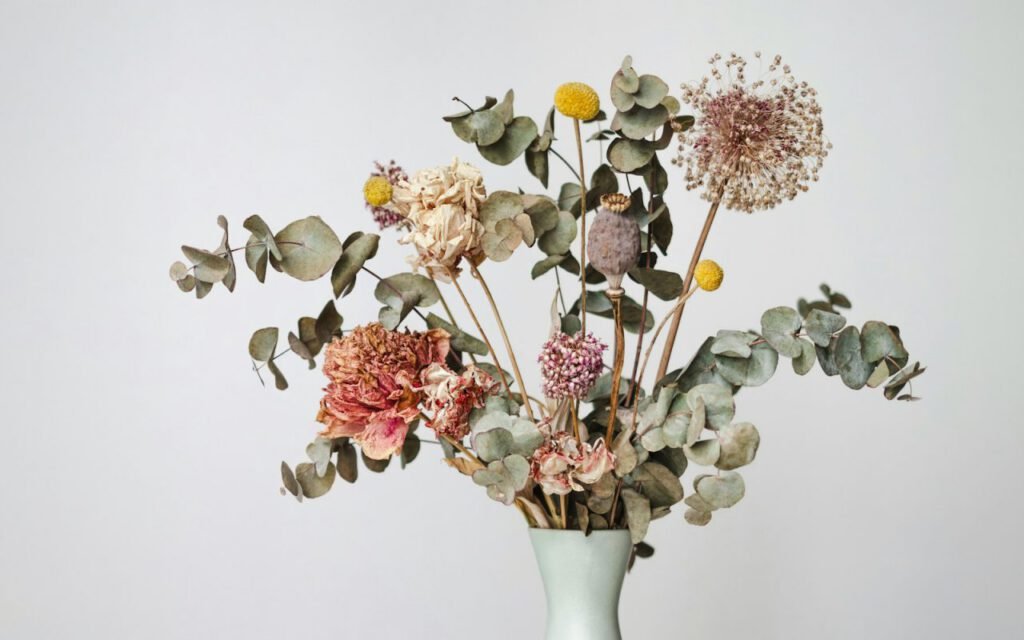
Every book a time capsule
The joy of used books is that they connect us. Somewhere out there, a stranger read the same pages you are reading now, laughed at the same line and maybe left a little piece of their day behind. Bookstores, library sales and little free libraries keep that connection going, one paperback at a time.
So the next time you visit a used bookstore, take a moment to fan the pages before you buy. You might find a ticket, a flower or a note in a stranger’s handwriting. And when you are finished, consider leaving something of your own. Send us a photo if you do. We are already planning a second round of reader finds, and we would love to include yours.
Written by
Rosa Diaz
Rosa is a public librarian who can find you the perfect book in under a minute.
5Articles
2026Writing since
Read next
Home LibraryReading More This Year: Small Habits That WorkTen pages a day adds up to a dozen books.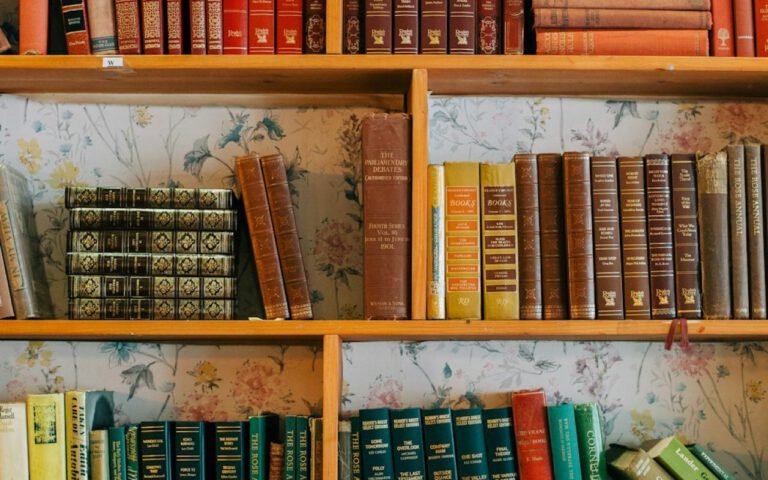 Bookstores & LibrariesInside America’s Coziest Used BookstoresCreaky floors, shop cats and the thrill of the find.
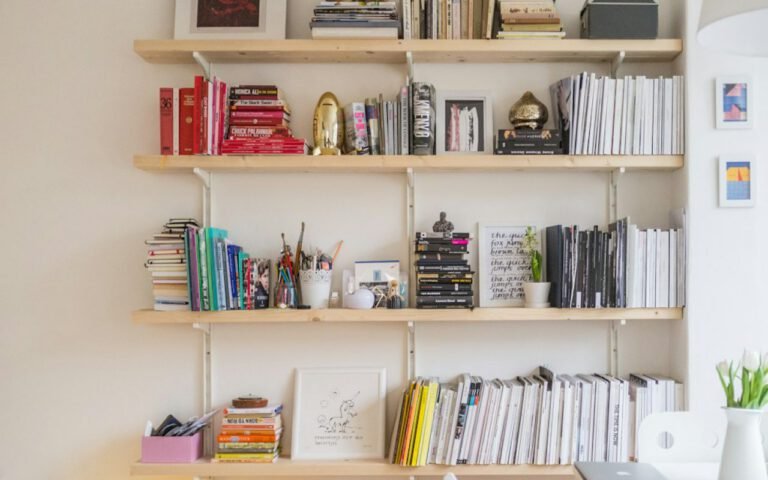 Home LibraryBuilding a Home Library on a BudgetShelves, secondhand finds and how to organize it all.
 Bookstores & LibrariesReview: “North of Nowhere” Is a Thriller You’ll Read in One NightSnowbound, sharp and seriously addictive. ★★★★½
 Book ClubsBook Club Questions for “The Orchard Letters”Ten questions to get your group talking.
 Bookstores & LibrariesLibrary Reading Rooms Worth a TripQuiet, beautiful and free.
 Book ClubsOrganizing Your Bookshelf by Color: Yes or No?Our editors fight about it so you don’t have to.
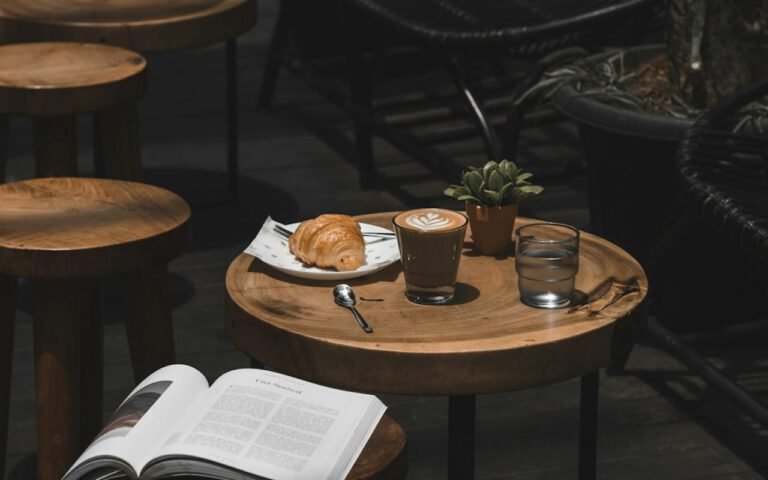 Bookstores & LibrariesAudiobooks Count. Here’s Why.Listening is reading — science and joy agree.
Start the conversation