


 CampingYour First Camping Trip: A No-Stress ChecklistTent, sleep system, kitchen and a backup plan.
Camping Cal Brooks6 min read
Cross-Country Skiing for Beginners
Groomed trails, rental gear and a lesson.
Cal Brooks6 min read

Written by
Cal Brooks
Cal has guided trips for 18 years and still packs too many snacks on purpose.
10Articles
2026Writing since
Cross-country skiing is a full-body workout and a peaceful way to explore snowy trails. There are no lift lines, no crowded lodges and no steep runs that make your knees shake. Instead there is the soft hiss of skis on fresh corduroy, the crunch of a pole plant and the hush of a forest after a storm. If you can walk, you can learn to do it, and a single winter weekend is enough to go from nervous shuffling to a smooth, confident glide. Here at Basecamp, it is the winter sport we recommend most to readers who want to stay active when the hiking trails are buried.
Why it is a great first winter sport
Cross-country skiing, sometimes called Nordic skiing, uses long, light skis that attach to your boots only at the toe. Your heel stays free, which lets you stride forward almost like walking. That freedom is what makes the sport so approachable. You are not pointed down a mountain; you are moving across mostly flat or rolling terrain at your own pace.
It is also remarkably efficient exercise. Your legs push, your arms pull on the poles and your core keeps everything balanced. Many people who try it for the first time are surprised by how warm they get within ten minutes, even on a cold morning. And because the motion is smooth and low impact, it is gentle on joints compared with running.
Finally, it is affordable. A day of rental gear and a trail pass at a Nordic center usually costs far less than a downhill lift ticket, and many state parks and national forests have free ungroomed trails once you are ready to explore further.
Take a lesson
An hour with an instructor saves a lot of falling. It is tempting to rent skis and simply head out, but a short lesson teaches the handful of basics that make everything else easier: how to stand balanced over your skis, how to get up after a fall, how to slow down and how to climb a gentle hill without sliding backward.
It’s walking with style, and a little gliding.
Our outdoors editor
Most Nordic centers offer group beginner lessons on weekend mornings, often bundled with rental gear and a trail pass. Group sizes are small, and the atmosphere is relaxed. You will practice on a flat open area before venturing onto the trails, which takes a lot of pressure off.
What you will learn first
- The ready position: knees soft, weight centered over your feet, hands forward.
- The diagonal stride: the classic kick-and-glide motion, with opposite arm and leg moving together.
- The wedge or snowplow: pointing ski tips together to slow down on small descents.
- The herringbone: climbing hills with ski tips angled out in a V shape.
- Getting up: rolling to the side, bringing skis parallel below you and pushing up with your poles.
That last one matters more than it sounds. Everyone falls when they are learning, and knowing how to get back up quickly turns a fall from frustrating into funny.

Start on groomed trails
Nordic centers rent gear and maintain easy loops. Groomed trails are packed by a machine that leaves a smooth surface and, on classic trails, two parallel grooves called tracks. Those tracks hold your skis in line, which makes balancing much easier for beginners. Think of them as training wheels.
Most centers mark their trails by difficulty, much like a downhill resort. Look for green or beginner loops that are short, mostly flat and close to the lodge. Starting with a one- or two-mile loop gives you a chance to find your rhythm without wearing yourself out far from the car. You can always go around again.
Classic versus skate
You may notice two styles on the trail. Classic skiing happens in the tracks with a forward stride. Skate skiing happens on the wide, flat lane beside the tracks with a side-to-side push that looks like ice skating. Skate is fast and fun but demands more balance and fitness. Almost every instructor recommends that beginners start with classic and add skate later.
Gear and clothing basics
For your first few outings, renting is the smart choice. A rental package includes skis, boots and poles fitted by staff who know what works for beginners. Many rental fleets use waxless skis with a textured pattern under the foot that grips the snow when you push off, so you do not need to learn waxing yet.
Clothing is where new skiers most often go wrong. They dress for a cold day of standing around, then overheat in the first mile. Dress in layers that you can adjust:
- A moisture-wicking base layer, never cotton.
- A light insulating layer such as a fleece or thin synthetic jacket.
- A wind-resistant shell you can open or remove.
- A thin hat or headband and light gloves, with a warmer pair in your pocket for breaks.
- A small pack or waist belt with water, a snack and an extra warm layer.
Start a little cold. Within a few minutes of skiing you will warm up, and you will be glad you did not pile on a heavy parka.

Your first day on the trail
Plan a short, low-pressure outing. Arrive early, when trails are freshly groomed and parking is easy. Take your lesson, then spend an hour or so on a beginner loop practicing what you learned. Stop often to drink water and eat a snack; cold air hides how much fluid you lose through breathing.
Keep your expectations playful. You will slip on small hills, cross your ski tips and sit down unexpectedly in the snow. That is part of the fun, and everyone around you has been there. Focus on finding the moment when you push off and glide for a second or two. Once you feel that, you will want to chase it again and again.
Trail etiquette is simple. Stay to the right, let faster skiers pass and step out of the tracks when you stop so others can keep moving. Do not walk on groomed trails in boots, and keep dogs only on trails marked as dog-friendly.
Key takeaway: a lesson, rental gear and a short groomed loop are all you need for a successful first day. Fitness and technique come quickly after that.
Where to go next
After a few days at a Nordic center, many skiers start looking for longer loops, rolling hills and eventually ungroomed backcountry trails in national forests and parks. That progression should be gradual. Backcountry skiing demands navigation skills, more gear and an understanding of winter conditions, so build up to it with experienced friends or a guided trip. Our guided-trip calendar lists beginner-friendly outings each season.
If you fall in love with the sport, buying your own gear is the next step. Ask the rental shop which models you used and liked, and consider a season-long rental or a used package before spending money on a brand-new setup. Many Nordic centers also hold swap sales in early winter, where local skiers trade in gear they have outgrown. Pair your first purchase with a couple more lessons, perhaps one focused on downhill control and one on smoother striding, and you will notice your confidence grow quickly from one weekend to the next.
For now, find a Nordic center within a short drive, book a beginner lesson and give it one winter morning. You might find that the season you used to dread becomes the one you look forward to most.
Outdoor activities carry real risks. Check conditions, tell someone your plan and know your limits.
Written by
Cal Brooks
Cal has guided trips for 18 years and still packs too many snacks on purpose.
10Articles
2026Writing since
Read next
CampingYour First Camping Trip: A No-Stress ChecklistTent, sleep system, kitchen and a backup plan.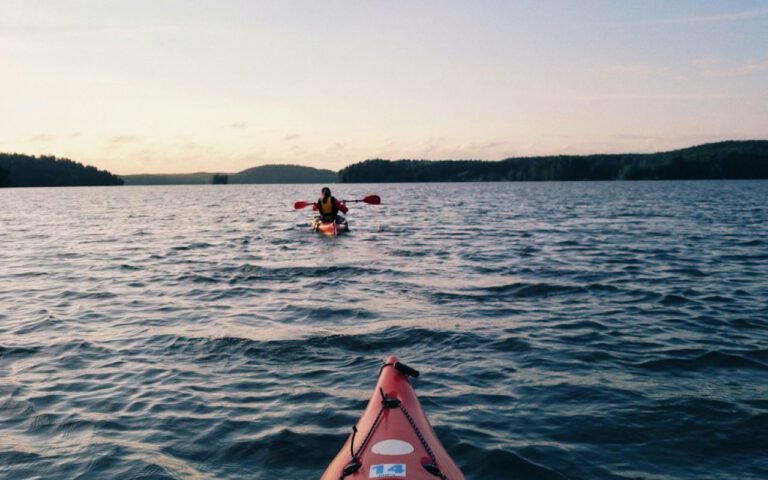 CampingKayaking for Beginners: Calm Water FirstPaddle basics, life jackets and picking the right day.
 CampingRock Climbing: How to Start SafelyGyms, guides and the knots you must know.
 CampingStargazing at Camp: What to Look For TonightThe Milky Way, planets and meteor showers.
 CampingHammock Camping: Sleep Among the TreesStraps, bug nets and the diagonal lie.
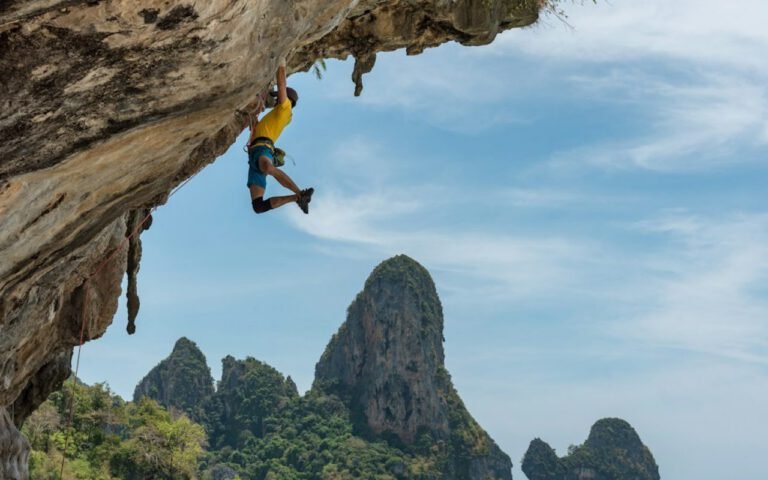 ClimbingClimbing Gyms: A Guide to Your First VisitShoes, chalk and bouldering grades.
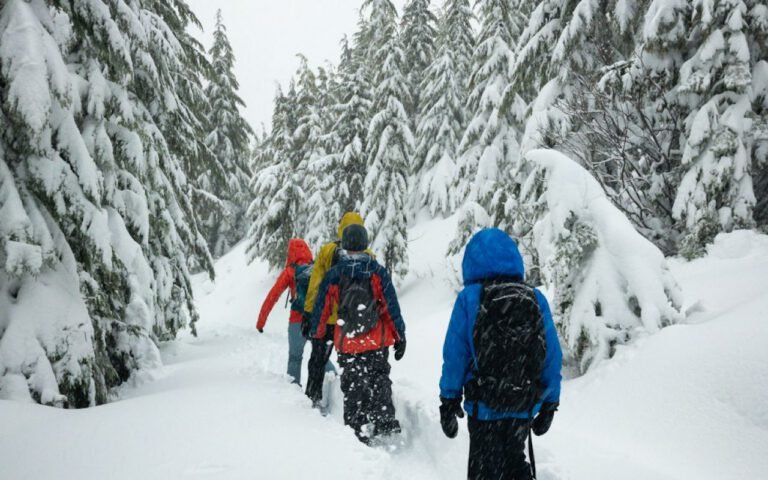 CampingWinter Camping BasicsStay dry, eat often and bring a warm water bottle.
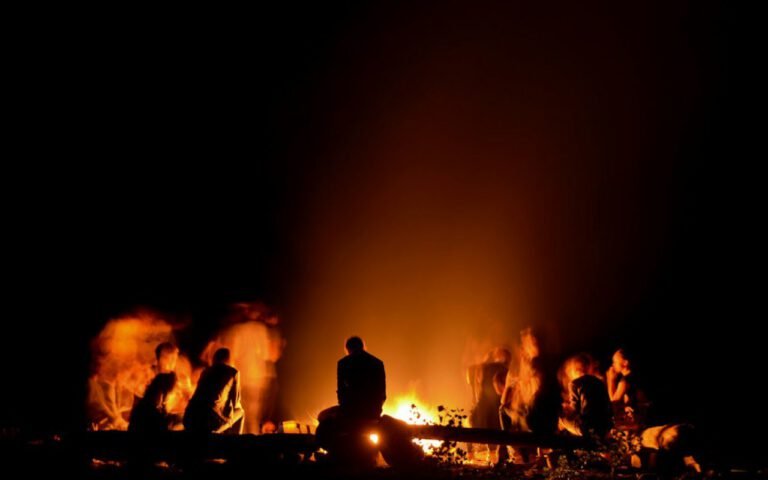 CampingCampfire Cooking: Five Easy MealsFoil packets, skillet breakfasts and s’mores, upgraded.
 CampingCanoe Camping: Paddle In, Camp OutPacking, portages and calm-water routes.
2 Comments
Thanks for explaining this so clearly.
Great reporting — please keep following this story.