Cooking on Two Burners: Our Easy Camp Meals
Five dinners we make again and again.
 Maya Ortiz6 min read

Maya Ortiz
Maya designs websites from the passenger seat and takes most of our photos.
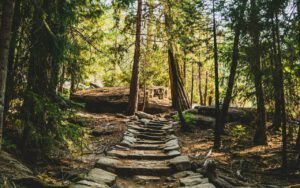
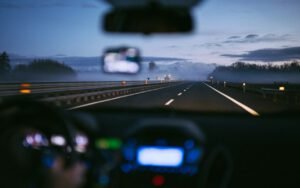

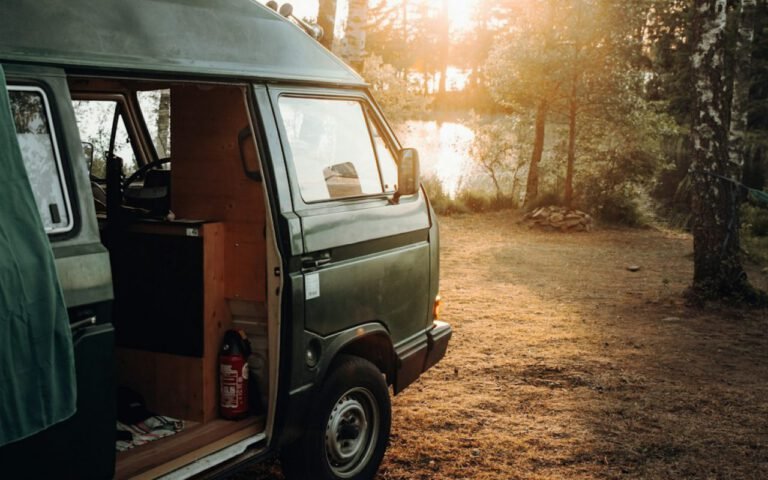
Two burners, one pan and a tiny cooler. We still eat well. When we first moved into the van, we imagined ourselves living on granola bars and gas station sandwiches. That lasted about a week before we both felt terrible. So we taught ourselves to cook in a space roughly the size of a closet, with a two-burner camp stove, a single deep skillet, one pot and a cooler that holds a few days of groceries if we pack it like a puzzle.
These five meals are on repeat in our van. They are cheap, forgiving, quick to clean up and flexible enough to use whatever we found at the last grocery store or farm stand. None of them require precise measuring, and all of them taste even better when eaten on a tailgate with a mountain in the background.
Sponsored · Cooler Co.Ice for five daysRotomolded coolers with a lifetime warranty.Shop coolersOur tiny kitchen setup
Before the recipes, a quick look at the gear, because the right few tools make all the difference. We keep everything in one plastic bin that slides under the bed. If it does not fit in the bin, it does not come with us.
- A two-burner propane camp stove and two small propane canisters.
- A 12-inch deep nonstick skillet with a lid.
- A 3-quart pot for pasta, rice and chili.
- A cutting board, one sharp knife, a spatula and a big spoon.
- Two collapsible bowls for washing up, plus biodegradable soap.
- A spice kit: salt, pepper, chili powder, cumin, garlic powder and red pepper flakes.
We always cook outside the van with the stove on a stable, level surface, away from anything that can catch fire, and we follow the stove maker’s instructions and any local fire restrictions. Some parks ban open flames during dry seasons, so we check before we light up.
One-pan everything
Tacos, fried rice, pasta with greens, chili and breakfast-for-dinner. That is the whole rotation. Here is how we make each one with one pan and very little fuss. Quantities are for two hungry people.
1. Skillet tacos
You’ll need: 1 pound ground beef or a can of black beans, 1 onion, 1 bell pepper, 2 teaspoons chili powder, 1 teaspoon cumin, 8 small tortillas, cheese and salsa.
Cook the diced onion and pepper in a little oil over medium heat for about five minutes. Add the beef and cook until browned, or add the drained beans and warm through. Stir in the spices with a splash of water and simmer for two minutes. Warm the tortillas directly in the empty pan afterward. Top with cheese, salsa and anything crunchy you have.
2. Leftover fried rice
You’ll need: 2 cups cooked rice (cold is best), 2 eggs, 1 cup chopped vegetables, 2 tablespoons soy sauce and a little oil.
Heat oil in the skillet over medium-high heat. Toss in the vegetables and cook for three minutes. Push them to the side, scramble the eggs in the empty space, then add the rice and soy sauce. Stir until everything is hot and slightly crispy. We cook extra rice on chili night just so we can make this the next day.
3. Pasta with greens
You’ll need: half a pound of short pasta, 2 big handfuls of spinach or kale, 2 cloves garlic, olive oil, red pepper flakes and grated Parmesan.
Boil the pasta in the pot, saving a mug of the cooking water before draining. In the skillet, warm olive oil with sliced garlic and a pinch of red pepper flakes for one minute. Add the greens and cook until wilted. Toss in the pasta with a splash of pasta water and lots of cheese. It takes twenty minutes and tastes like a restaurant.
4. One-pot chili
You’ll need: 1 onion, 1 can each of kidney beans and black beans, 1 can diced tomatoes, 1 tablespoon chili powder, 1 teaspoon cumin and optional ground turkey.
Soften the onion in the pot, brown the meat if using, then add everything else with half a can of water. Simmer gently for twenty to thirty minutes, stirring now and then. Chili makes enough for two dinners, and it is our go-to on cold nights in the high desert.
5. Breakfast-for-dinner
You’ll need: 4 eggs, 2 potatoes, an onion, cheese and whatever else is hanging around.
Dice the potatoes small and cook them with the onion in oil, covered, for about twelve minutes until tender. Uncover, let them crisp, then crack the eggs on top and cover again until set. Add cheese and hot sauce. We have eaten this in at least twenty states.
Food tastes better with a view.
Sam
Prep in town
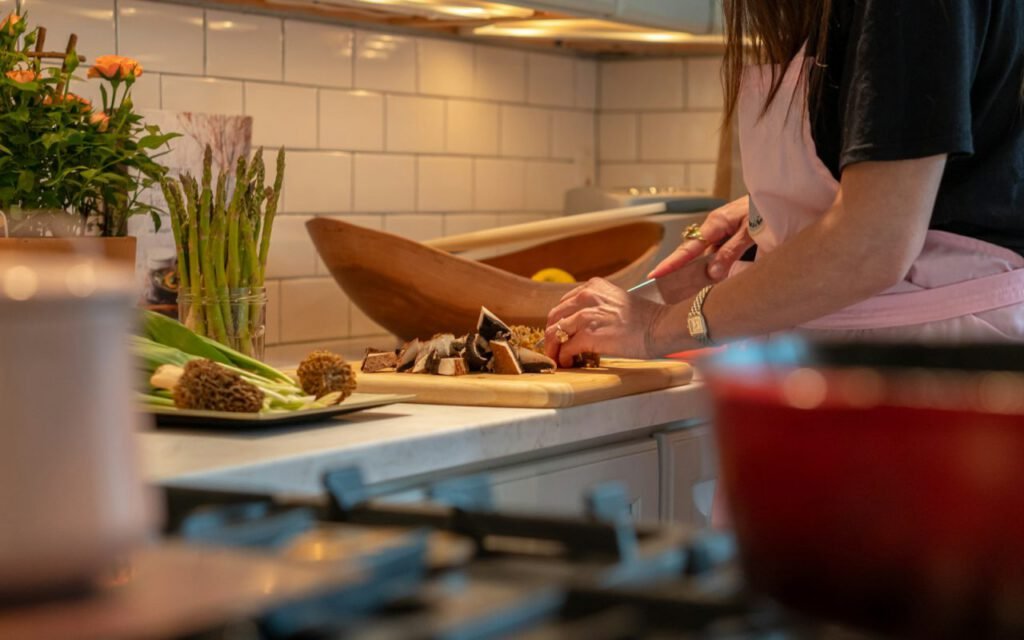
We chop vegetables when we have a real kitchen sink and store them in jars. This one habit changed everything. When we stop at a campground with good water, a friend’s house or a rented cabin, we spend half an hour chopping onions, peppers, carrots and greens for the next few days. They go into clean glass jars with tight lids and sit upright in the cooler.
Prepping ahead means less water used in camp, less mess, fewer dishes and much faster dinners. After a long hike, the difference between “chop for twenty minutes” and “open a jar” is huge. We label the jars with masking tape and a date, and we use the most delicate vegetables first.

Keeping the cooler happy
- Pre-chill the cooler overnight before loading it.
- Use block ice when you can. It lasts much longer than cubes.
- Keep raw meat sealed and on the bottom, away from ready-to-eat food.
- Drain melted water daily so food does not sit in it.
- Open the lid as little as possible, especially on hot days.
On longer stretches between towns, we lean on foods that do not need cold storage at all: canned beans, tortillas, rice, pasta, peanut butter, hard cheeses and sturdy vegetables like onions, carrots and cabbage.
Food safety matters even more on the road. If something smells off or has been warm too long, we toss it. A ruined dinner is much better than a ruined week.
What we have learned
The secret to eating well in a tiny space is not fancy recipes. It is a short list of flexible meals you can make with your eyes half closed, a small and well-chosen set of tools and a little planning when you have access to a real kitchen. Everything else is seasoning.
Key takeaway: pick five meals you love, make them over and over and let the scenery do the rest.
Shopping on the road
We shop small and often. Big-box stores are great for staples like rice, pasta, canned beans and tortillas, which we buy in bulk when we pass through a city. Fresh food comes from small-town grocery stores and roadside farm stands, a few days’ worth at a time. In late summer, the stands in Colorado and Michigan are full of sweet corn, peaches and tomatoes, and our “pasta with greens” quietly becomes “pasta with whatever looked amazing at the stand.” Buying less at once also means the cooler stays organized and nothing gets forgotten at the bottom.
If you are new to camp cooking, start with one of these at a campground with a picnic table before you try it in a remote spot. Learn how your stove behaves in the wind, how long your fuel lasts and how much water dishes really take. Then go find a view. Dinner is waiting.
Maya Ortiz
Maya designs websites from the passenger seat and takes most of our photos.

Start the conversation