The Night Drive That Changed How We Travel
Why we stopped racing the clock.
 Maya Ortiz6 min read
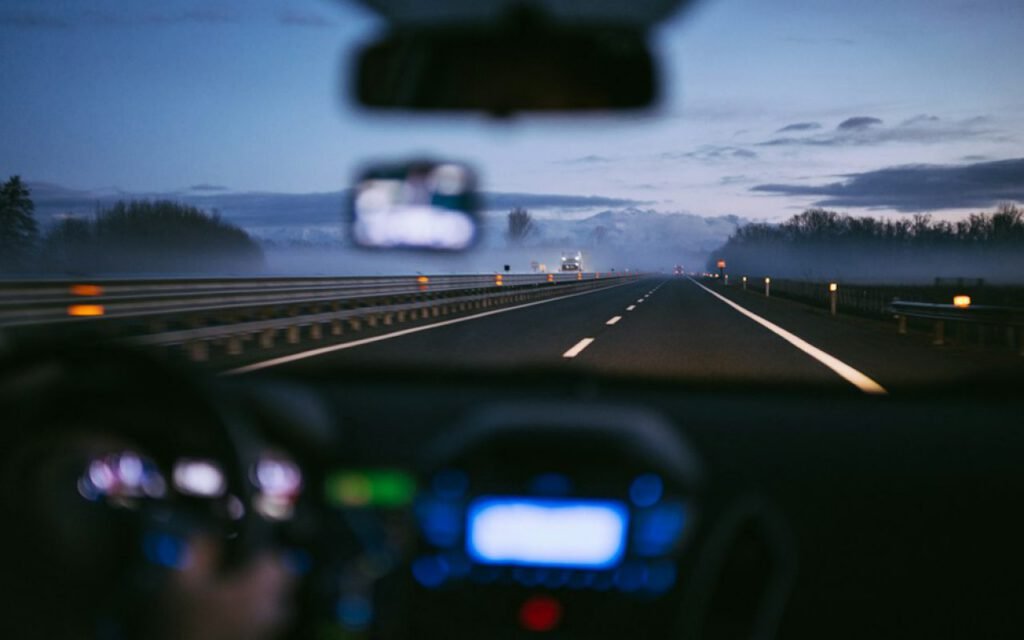
We once drove eleven hours straight to make a campsite reservation. We arrived exhausted and argued about the tent. It was nearly midnight, the campground loop was pitch black, and neither of us could remember which pole went where. Sam dropped the stakes in the dirt. Maya said something she later apologized for. We slept badly, woke up grumpy and spent most of the next morning not speaking.
That night we made a new rule: no more than six hours of driving a day. It sounds like a small change. It turned out to reshape everything about how we travel.
 Sponsored · Cooler Co.Ice for five daysRotomolded coolers with a lifetime warranty.Shop coolers
How we got there
The plan had seemed reasonable on paper. We had a reservation at a popular campground in Grand Teton National Park, booked months in advance, and we were leaving from Denver. The map said about eight hours. We figured we would leave after breakfast, make a few quick stops and roll in for a relaxed sunset dinner.
We did not account for road construction in southern Wyoming. Or the long line at a gas station. Or the fact that every time we stopped for a quick photo, we stayed twenty minutes. By late afternoon we were hours behind, and instead of adjusting, we did what many road trippers do. We pushed harder. We skipped dinner, ate gas station snacks and kept driving into the dark because we had already paid for the site.
Slower is safer
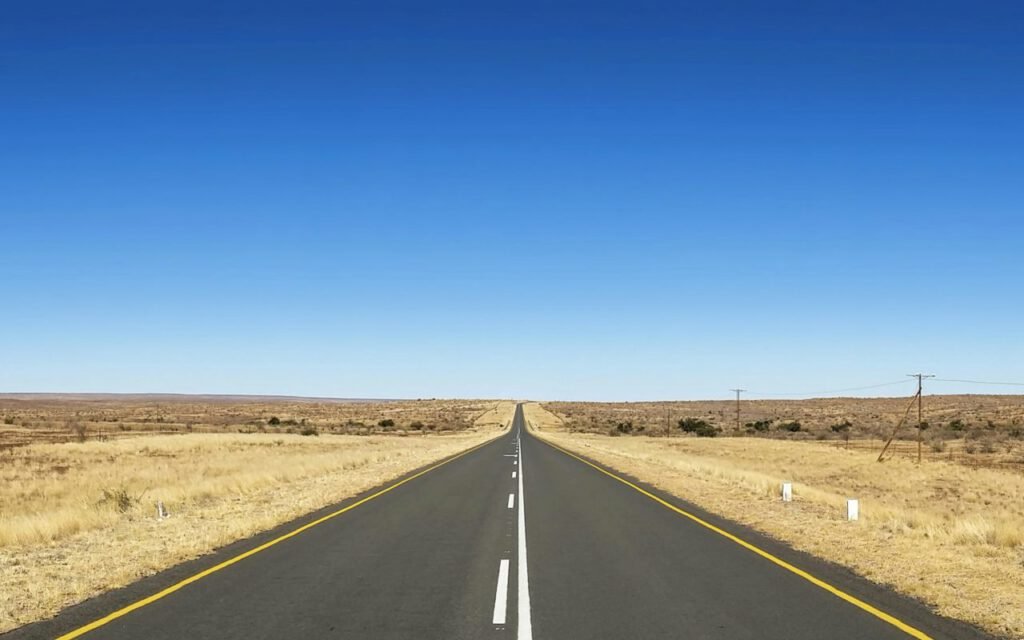
Tired drivers make bad decisions. Now we switch every two hours and stop for real meals. Looking back, the argument about the tent was the least of our problems that night. The bigger issue was the last two hours of driving on a dark, winding mountain road while both of us were exhausted.
Drowsy driving is dangerous, and it creeps up on you. You do not usually feel yourself getting worse. You just notice, suddenly, that you cannot remember the last few miles. Highway safety agencies warn that fatigue slows reaction time and dulls judgment, much like other forms of impairment. We had been lucky.
Warning signs we now take seriously
These days, if either of us notices any of the following, we pull over at the next safe spot and switch drivers or take a break:
- Frequent yawning or heavy eyelids.
- Drifting from the lane or hitting the rumble strip.
- Missing an exit or a turn.
- Not remembering the last few miles.
- Feeling restless, irritable or zoned out.
Cracking a window or turning up the radio is not a fix. The only real cure for tiredness is rest. A twenty-minute nap in a safe parking area has saved more than one of our travel days.
If you’re rushing, you’re not traveling. You’re commuting.
Sam, co-author of Two Lanes
Our new driving rules
After that night, we sat down and wrote a short list of rules. We have followed them on every trip since, and we have never regretted it.
- Six hours of driving, maximum. That means six hours behind the wheel, not counting stops. On mountain roads or in bad weather, we aim for less.
- Switch every two hours. Even if the driver feels fine. Especially if the driver feels fine.
- Real meals at a table. No more lunch from a bag balanced on the dashboard. We stop, sit down and eat.
- Arrive before dark. Setting up camp in daylight is easier, safer and far less likely to start an argument.
- Book flexible when you can. We now look for campsites and motels with fair cancellation policies, so a delay does not force us to race.
The first few trips under the new rules felt almost too slow. We kept checking the clock out of habit. Then something shifted. We stopped thinking of the drive as the boring part between destinations and started thinking of it as part of the trip itself.
Slower is better
The best things we’ve found were at stops we used to drive past. Once we had time, we started saying yes to the small brown signs on the side of the road. A tiny historical museum run by volunteers. A swimming hole at the end of a dirt road. A diner where the owner insisted we try the rhubarb pie and then sat down to tell us the history of the town.

We started booking stops in small towns instead of pushing through to the bigger cities. We talked to more people. We took more walks. We even started to enjoy the long, empty stretches, because we were not anxious about the clock. Some of our favorite memories from the past few years, the ones we still bring up at dinner, came from days that looked completely empty on the itinerary.
Key takeaway: Shorter driving days are not lost time. They are where the trip actually happens.
Planning a slower trip
If you want to try traveling this way, start with the map. Plot your route, then divide it into days of no more than six hours, using a realistic estimate of driving time rather than the most optimistic one. Add at least thirty minutes of buffer for every three hours of driving to cover gas, restrooms and the unexpected.
Then look at what is along the way. Pick one or two possible stops for each day, but do not over-schedule. Leave room for the things you will discover on your own. If a day turns out to be easy, great. You will arrive early, set up camp in daylight and maybe catch the sunset with a cold drink in your hand.
We also changed how we split the work. The person who is not driving is now the navigator, snack manager and lookout for interesting stops. They check the weather ahead, call the next campground if we are running late and keep an eye on the driver for signs of fatigue. It sounds like a small job, but it keeps both of us engaged and makes the long days feel like a team effort instead of one person’s endurance test.
Finally, we built rest days into longer trips. For every four or five days of driving, we now plan one full day with no driving at all. We do laundry, take a long hike, read in a hammock or wander around a small town. Those days felt indulgent at first. Now they are the reason we come home from a three-week trip feeling refreshed rather than worn out.
And when things go wrong, as they always do eventually, give yourself permission to change the plan. Losing a night’s campsite fee is much cheaper than driving tired on a dark mountain road.
What we learned
We did eventually make it to that campsite in the Tetons. The next morning, after coffee and an apology, we walked down to the lake and watched the mountains turn pink in the early light. It was spectacular. But we both agreed it would have been just as spectacular if we had arrived a day later, rested and happy.
That eleven-hour drive taught us that the destination will wait. The road is the trip. Slow down, switch drivers, stop for pie and arrive before dark. You will see more, argue less and come home with better stories.
Road and park conditions change. Always check official park alerts and weather before you go.

Maya Ortiz
Maya designs websites from the passenger seat and takes most of our photos.



Start the conversation