We Lived in a Van for a Year. Here’s What It Cost
Fuel, food, campsites and the repair that almost ended it.
 Sam Ortiz6 min read
Sam Ortiz
Sam writes the itineraries, fixes the van and is in charge of snacks.


For twelve months we lived in a 1990s camper van. People always ask what it cost, usually with a slightly suspicious look, as if they expect us to say it was free. It was not free. It was not even especially cheap. But it was a year of waking up beside lakes, forests and deserts, and we would do it again tomorrow.
Here’s the real budget, month by month, along with the repair that almost ended the whole adventure. We tracked every dollar in a simple spreadsheet, so these numbers are ours, not guesses. Your costs will be different depending on where you go, how fast you move and how handy you are with a wrench.
 Sponsored · Cooler Co.Ice for five daysRotomolded coolers with a lifetime warranty.Shop coolers
The van itself
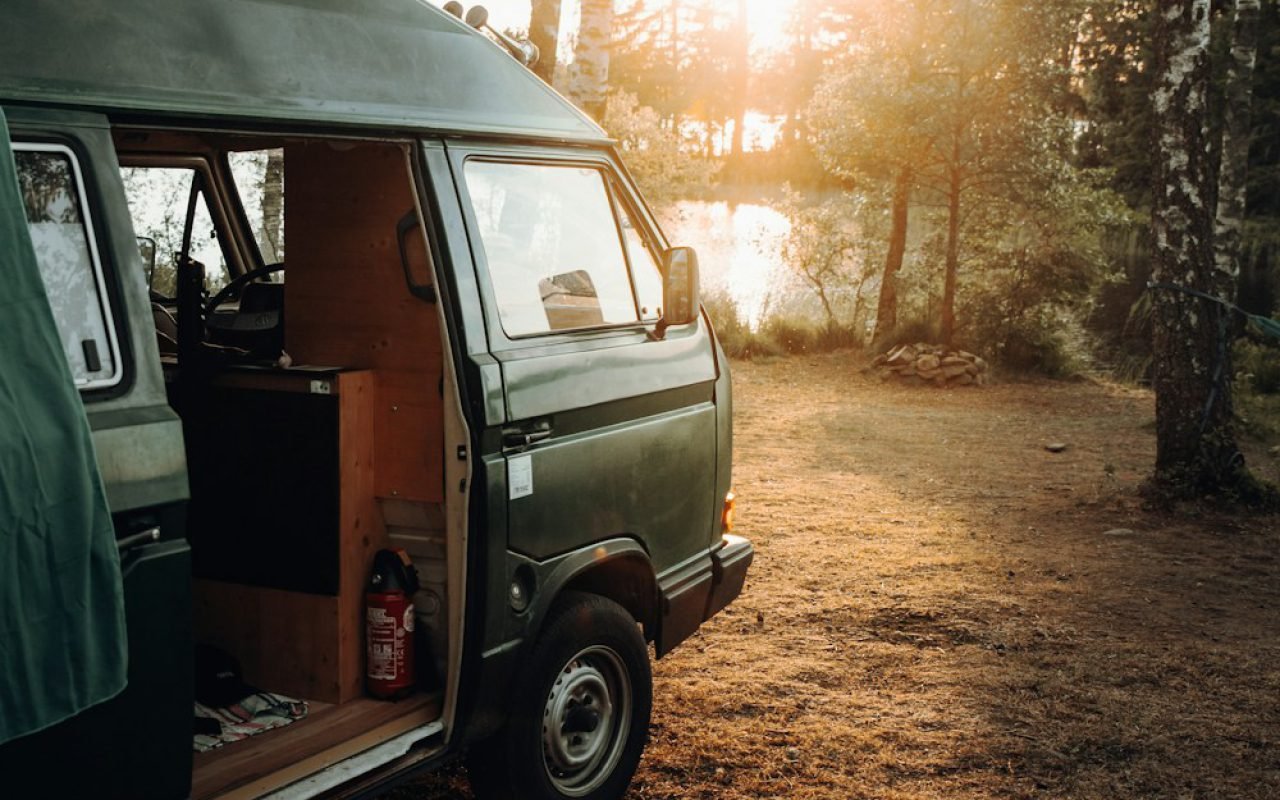
We bought our van from a retired couple in Colorado for $14,500. It had about 160,000 miles on it, a pop-top roof, a two-burner stove, a small sink and a bench that folded into a bed. It also had a few quirks, including a sliding door that only closed on the second try and a radio that only played one station, loudly.
We spent another $3,200 before we left on new tires, a full tune-up, a second battery for lights and charging, a small solar panel and a better mattress. We do not include the purchase price in our monthly budget below, because we plan to sell the van eventually and recover a good part of it. But it is a real cost, and you should plan for it.
The big three
Fuel, food and campsites made up about 70 percent of our spending. Everything else, from insurance to laundry to the occasional museum ticket, filled in around those three. If you are trying to estimate a van life budget, start with these and you will be most of the way there.
Fuel
Our van averaged about 16 miles per gallon on a good day and closer to 13 in the mountains. Fuel was our most unpredictable cost because it depended entirely on how much we moved. In months where we stayed put for a few weeks, we spent under $250. In months where we crossed several states, it topped $600. Slowing down was the single best way to save money.
Food
We cooked most meals on our little stove, shopped at regular grocery stores and kept a small cooler stocked with ice. Our biggest food lesson was that eating out adds up shockingly fast. A few restaurant meals a week could easily double our food spending, so we saved them for special occasions and local favorites we did not want to miss.
Campsites
We mixed free camping on public lands, where it is allowed, with paid campgrounds. Free sites kept our average low, but we paid for established campgrounds when we needed showers, hookups or just a safe, quiet night near a city. Rules for camping on public land vary a lot, so we always checked with the local land management office first.
Van life isn’t cheap. It’s just a different kind of expensive.
Sam, co-author of Two Lanes
Average costs
Here are our monthly averages across the full year, for two people:
- Fuel: $410 a month
- Food: $520 a month
- Campsites: $180 a month
- Repairs: $2,900 for the year
Beyond the big three and repairs, we also spent money on van insurance, phone plans, laundry, propane, gym memberships for showers, park passes and the occasional splurge. Those smaller costs together added roughly $450 a month. All in, our typical month landed around $1,800 for the two of us, before repairs.
That is far less than rent and utilities in most cities. But it is not nothing, and it does not include the things you give up, like a full kitchen, a hot shower whenever you want one and a stable address.
The surprise
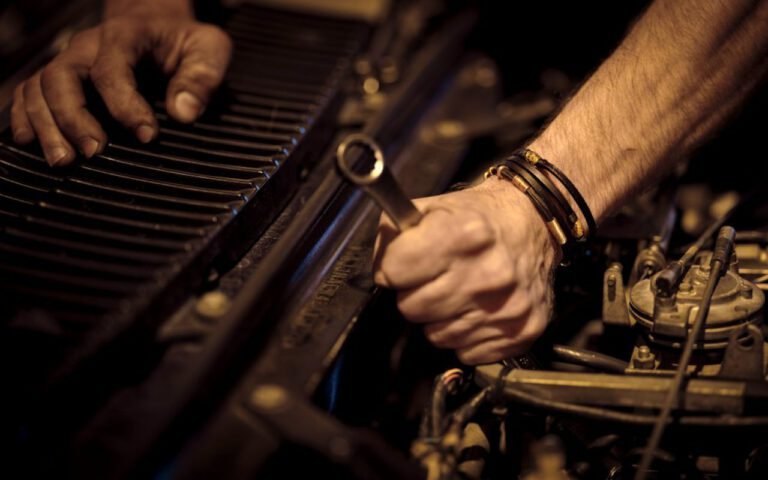
A transmission repair in month seven cost more than three months of food. We were climbing a long grade in northern Arizona when the van started slipping between gears. We limped into a small town, found a family-run shop and waited two very anxious days for the diagnosis.
The final bill was just over $1,700. We stayed in a cheap motel while the work was done, which added more to the total, and for a few nights we seriously talked about selling the van and going home. In the end, the mechanic was honest, the repair held up, and we kept going. But it was the closest we came to quitting.

Our other repairs that year were smaller: brakes, a water pump, a new starter and a cracked windshield. Together with the transmission, they added up to the $2,900 for the year. For an older van, that is honestly not bad. But it taught us to always keep an emergency fund for the vehicle, separate from our everyday money.
Month by month
Our spending was never steady. The first two months were the most expensive, because we were still learning. We ate out too often, paid for campgrounds every night out of nervousness and drove far too many miles trying to see everything at once. Each of those months came in well over $2,200.
By month three, we had found our rhythm. We cooked almost every meal, learned how to find legal free campsites and started staying in one area for a week or more. Our spending dropped to around $1,600, and it stayed close to that through the summer, when long days and mild weather made life in the van easy.
Fall brought the transmission repair and a stretch of motel nights, which made month seven our most expensive by far. Winter in the Southwest was cheap again, with plenty of open public land and almost no need for heat. Our final two months crept back up as we drove a long way north to return to Colorado and sell a few things we no longer needed. Looking back, the pattern was clear: the more we moved, the more we spent.
How we kept costs down
Over the year, we picked up a handful of habits that made a real difference to our budget:
- Move slower. Staying a week in one area cut fuel costs dramatically and made the travel more relaxing.
- Cook at home. Simple one-pot meals, big breakfasts and a well-stocked spice kit kept us happy and on budget.
- Use the annual parks pass. If you visit several national parks, it pays for itself quickly.
- Learn basic maintenance. Checking fluids, tire pressure and belts ourselves caught small problems early.
- Keep an emergency fund. We set aside $3,000 for the van alone, and we needed almost all of it.
Key takeaway: Budget for the big three, then budget again for the repair you are not expecting. With an older van, it is a question of when, not if.
Was it worth it?
Every single dollar. We spent a year seeing places we had only read about, meeting people we never would have met and learning how little we actually need. We got better at cooking, better at fixing things and much better at communicating, because there is nowhere to hide in a van.
If you are dreaming about van life, our honest advice is to run the numbers first, then add a cushion. Build an emergency fund, buy the most reliable van you can afford and plan to go slower than you think. For anything involving loans, taxes or insurance, talk to a qualified professional about your own situation. And when the transmission starts slipping on a mountain road, remember that it is all part of the story you will tell later.


Start the conversation