

 Getting AroundBike Commuting: Getting Started in Your CityRoutes, gear and arriving not-too-sweaty.
Community Ana Flores7 min read
Beach Cleanups: How to Join (or Start) One
Gloves, bags and data that helps scientists.
Ana Flores7 min read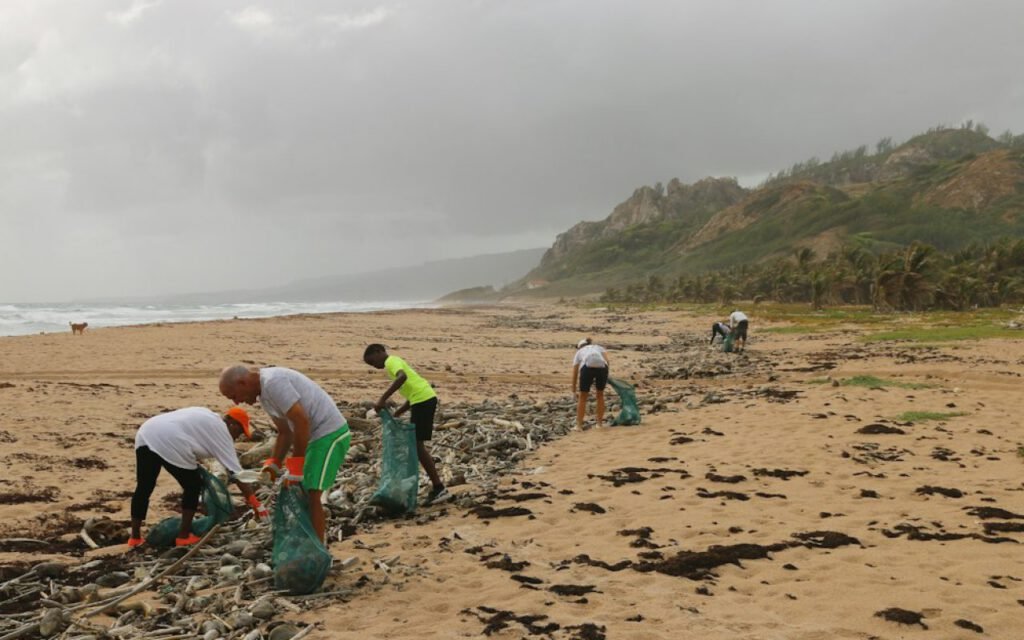

Written by
Ana Flores
Ana covers the neighbors planting trees, cleaning beaches and building gardens.
4Articles
2026Writing since
The first thing most people notice at a beach cleanup is not the trash. It is how quiet everyone gets once they start looking. Twenty minutes in, a volunteer who arrived expecting to fill a bag with soda cans is crouched over a strip of sand, picking out bottle caps, cigarette filters and pea-sized bits of foam that were invisible from the parking lot. Community cleanups remove trash, and they often record what they find to help researchers understand where it comes from. That second part is what turns a pleasant Saturday morning into something bigger than a tidy shoreline.
At Greenline, we hear from readers every week who want to do something hands-on for the ocean but are not sure where to start. The good news is that beach cleanups are one of the easiest ways in. You do not need training, special gear or a big time commitment. You need gloves, a bag, a few hours and a willingness to look closely. This guide walks through how to find a group, what to expect on the day, how to stay safe and, if nothing exists near you, how to start a cleanup of your own.
Why a few hours on the sand matter
It is fair to ask whether a handful of volunteers can make a dent in a problem as large as ocean plastic. On its own, one cleanup will not empty the sea. But cleanups do three useful things at once. They pull litter off the beach before tides and wind carry it back into the water, where it breaks into smaller and smaller pieces. They protect wildlife in the short term, since shorebirds, turtles and seals regularly mistake debris for food or get tangled in it. And they generate data.
Many organized cleanups ask volunteers to tally what they collect on a simple card or a phone app. Over months and years, those tallies show patterns: which items show up most often, which beaches collect more after storms, and whether a local ban on a certain product actually changed what washes up. Scientists and city planners use this kind of community data to decide where to put trash cans, which items to target with policy and how to design outreach. Your clipboard is part of the research.
There is also a personal payoff. People who spend a morning sorting through beach litter tend to come away changed. They notice packaging differently at the grocery store. They start carrying a water bottle. They talk about it with friends.
Two hours on a beach changes how you see every plastic bottle.
Renee Calloway, cleanup organizer (fictional)
Join a group near you
Local environmental groups often host monthly cleanups, and that is the easiest door to walk through. They handle permits, supplies, trash pickup and data sheets, so all you have to do is show up. Here is how to find one:
- Check community calendars. Library bulletin boards, parks department pages and local news sites often list upcoming volunteer events. Greenline’s community action calendar collects many of them in one place.
- Look for “friends of” groups. Many coastal parks, state beaches and lakeshores have volunteer support groups that run regular cleanup days.
- Ask at surf shops, dive shops and aquariums. People who spend their time in the water are often the ones organizing cleanups.
- Watch for big annual events. Many coastal states hold a statewide cleanup day each fall, with hundreds of sites running at once.
- Do not forget inland water. Rivers, creeks and lakes feed the ocean. A riverbank cleanup in Ohio keeps trash out of the Gulf of Mexico just as surely as one in Florida.
Most groups ask you to register ahead of time so they can bring enough supplies. Some welcome kids with a parent; others set a minimum age for safety reasons. If you have a work team, scout troop or church youth group, ask about group slots. Organizers love a crew of fifteen who show up together.
What to bring and what to expect
A typical cleanup starts with a short welcome. The organizer explains the area you will cover, where to drop full bags, how to fill out data cards and any hazards to watch for. Then volunteers spread out, usually in pairs, and work along the tide line, the dunes and the edges of parking areas, where litter tends to collect.
Most groups provide bags and gloves, but it never hurts to bring your own. A good kit looks like this:
- Sturdy reusable gloves (gardening gloves work well)
- A reusable bucket or tote for collecting small pieces
- A refillable water bottle and a snack
- Sunscreen, a hat and closed-toe shoes
- A pencil if you will be filling out data cards
Expect to find more small items than large ones. Bottle caps, food wrappers, straws, cigarette butts, fishing line and fragments of hard plastic are common on many American beaches. Volunteers are often surprised at how much time they spend on a single square yard of sand. That is normal, and it is valuable work. Small pieces are exactly what animals swallow.
At the end, the group weighs bags, totals the data and sometimes takes a photo with the haul. Recyclable items may be sorted out if the local program accepts them. Then everyone heads home a little sunburned and, usually, already planning to come back.
Stay safe on the shoreline
Beach cleanups are low-risk, but a few simple rules keep them that way. The most important one is in every organizer’s welcome talk: wear gloves and leave sharp objects for trained volunteers. Broken glass, needles, rusty metal and anything that looks like medical waste should not be picked up by hand. Note where it is and tell the organizer, who will have a sharps container or will contact the right local agency.
A few other habits are worth keeping:
- Watch the tide and never turn your back on the waves, especially on rocky stretches.
- Stay off fragile dunes and out of fenced nesting areas for shorebirds and turtles.
- Leave natural items alone. Driftwood, seaweed and shells are part of the beach ecosystem.
- Do not lift heavy objects like tires or large nets alone. Ask for help or flag them for the organizer.
- Drink water and take breaks, particularly on hot summer mornings.
If you have health concerns about sun, heat or physical work, check with your doctor and let organizers know. Many groups offer seated tasks like sorting and data entry.
Start a cleanup of your own
If there is no group near your favorite stretch of shoreline, you can start one. It is less complicated than it sounds. Begin small, with friends or neighbors, and grow from there.
- Pick a site and check the rules. Contact the city, county or state agency that manages the beach. Some require a simple permit or volunteer waiver; many are glad to help with bags and trash pickup.
- Choose a date and time. Mornings at low tide give you more beach to work with and cooler temperatures.
- Arrange disposal. Know exactly where full bags will go before anyone arrives. Overflowing beach trash cans undo all your work.
- Gather supplies. Gloves, bags, buckets, a first-aid kit, sunscreen and water. Local businesses are often happy to donate.
- Plan a safety talk. Cover sharp objects, tides, wildlife and heat in five minutes or less.
- Collect data. Print simple tally sheets or use a free cleanup app so your results can help researchers.
- Share the results. Post your totals, thank your volunteers and announce the next date before people leave.
Consistency is what builds a cleanup community. A monthly event on the same Saturday is easier for people to remember than a scattered schedule, and it produces data that can be compared over time.
Key takeaway: You do not need to be an expert to help. Show up, wear gloves, record what you find and leave the sharp stuff to the people trained to handle it.
Carry it home with you
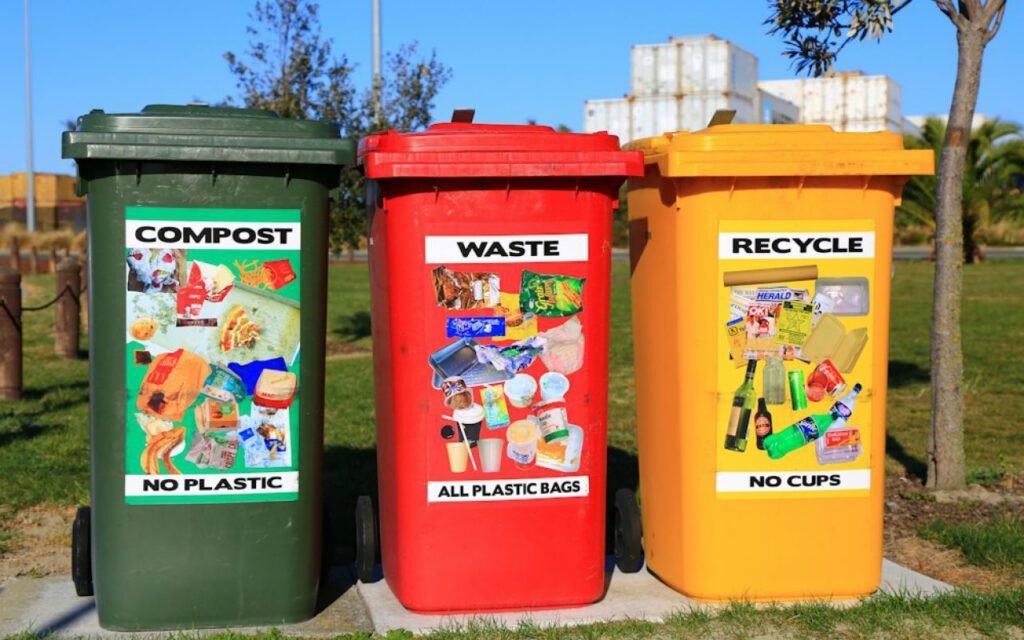
The best cleanups end with a quiet question: how did all this get here? The answer usually points back to everyday habits far from the shore. Bringing a reusable bag, skipping single-use straws, securing trash cans on windy days and making sure your recycling actually reaches the bin all reduce what ends up on the sand.
Pick one cleanup this season and put it on your calendar. Bring a friend. Fill out the data card. And the next time you hold a plastic bottle in your hand, notice whether you see it a little differently. That shift, multiplied across thousands of volunteers, is how a few hours on a beach becomes a real, lasting change for the ocean.
Written by
Ana Flores
Ana covers the neighbors planting trees, cleaning beaches and building gardens.
4Articles
2026Writing since
Read next
Getting AroundBike Commuting: Getting Started in Your CityRoutes, gear and arriving not-too-sweaty. CommunityPlanting Trees: Where It Helps MostThe right tree, in the right place, cared for over time.
 CommunityRooftop Gardens Are Cooling CitiesGreen roofs, shade and fewer heat islands.
 CommunityCommunity Gardens Grow More Than FoodNeighbors, shade and fresh produce.
 Everyday LivingSaving Rainwater for Your GardenRain barrels, mosquito screens and simple setups.
 CommunityClimate Anxiety: Turning Worry Into ActionFeel it, share it, then pick one thing to do.
2 Comments
Sharing this with my friends.
Saved this one for later. Really useful.