



 Book ClubsThe Fall Books We Can’t Stop Talking AboutEight new (fictional) novels for long, cozy evenings.
Book Clubs Owen Blake6 min read
Why Typewriters Are Having a Moment
Writers are rediscovering the clack of the keys.
Owen Blake6 min readWalk into a certain kind of coffee shop in Brooklyn, Austin or Minneapolis these days and you might hear it before you see it: a brisk clack-clack-clack, a pause, a cheerful ding and the zip of a carriage return. Somewhere near the window, a writer is hunched over a machine that was built before their parents were born. Typewriters, once destined for attics and thrift-store back rooms, are finding a new generation of fans. Some writers say a typewriter helps them focus — no notifications, no endless editing. In a world that never stops buzzing, that silence-with-clatter has started to sound like freedom.
The appeal
Every word feels permanent, which pushes you forward. On a computer, it is easy to write a sentence, delete it, rewrite it, move it and delete it again, all before finishing a paragraph. Many writers know the trap well: an hour of work produces three polished sentences and no momentum. A typewriter does not offer that option. There is no backspace that erases cleanly, no cut and paste, no spell check underlining every mistake in red. You type, you keep going, and you fix things later.
That forward motion is exactly what draws many people in. Writers we talked to described typewriters as a kind of drafting machine, ideal for getting a rough version down before moving to a computer for revisions. Others use them for letters, journals or poetry, where the physical act of typing feels more personal than tapping on a screen.
There is also the sheer pleasure of the thing. Typewriters are tactile in a way modern devices are not. Each key needs a firm press. The type bars swing up and strike the paper with a satisfying snap. The bell rings near the end of every line, a small reminder that you are making progress. For people who spend all day on laptops, the change can feel like stepping outside after hours in a stuffy room.
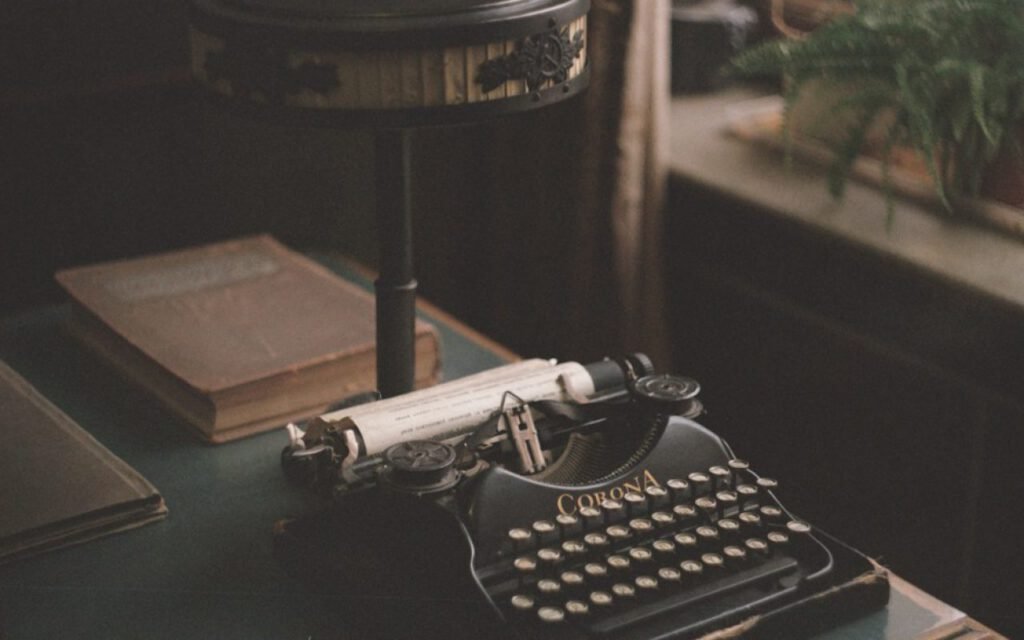
You can’t check your email on a typewriter. That’s the whole point.
Grace Lin, novelist (fictional)
A writer’s routine
Grace Lin, who drafted her most recent novel almost entirely on a 1960s portable, told us her routine is simple. She sits down each morning with a fresh stack of paper and a cup of coffee and types until she fills five pages. Then she stops, no matter what. In the afternoon, she reads the pages with a pencil in hand and marks changes. Later in the week, she types the revised version into her laptop. “The typewriter is where I’m brave,” she said. “The computer is where I’m careful. I need both.”
The community
Type-ins and repair shops are popping up in cities across the country. A type-in is exactly what it sounds like: a gathering where people bring their typewriters to a cafe, library or bookstore and type together. Some events include letter-writing stations, where attendees type notes to friends or to strangers on postcards. Others feature speed-typing contests, poetry on demand or swap tables for ribbons and accessories.
The people who come are a wonderfully mixed group. Retirees who learned to type in high school sit next to college students who had never seen a typewriter until a few years ago. Novelists, poets, artists and collectors trade tips about favorite models, ribbon brands and the best way to clean sticky keys. The atmosphere is less about nostalgia than about doing something with your hands, together, in a room full of happy noise.
Repair shops have quietly benefited. A few small shops that survived the long decline of the typewriter business now report waiting lists. New repair technicians, some of them in their twenties and thirties, have learned the craft from older mechanics, and online forums are full of guides for basic cleaning and adjustment.
Finding your first typewriter
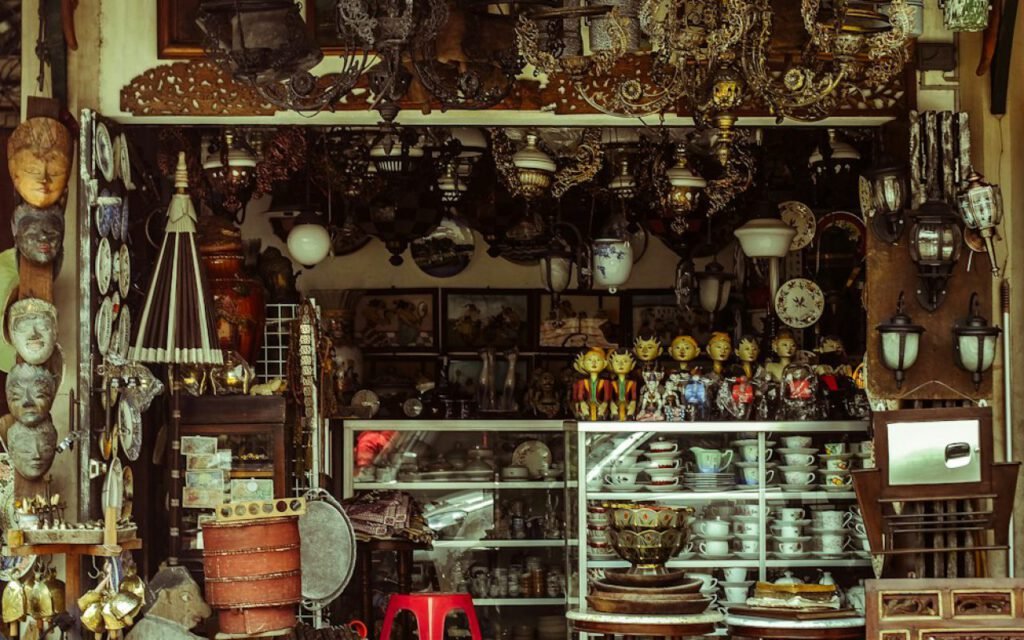
If you are curious, buying a typewriter can be an adventure. Thrift stores, antique malls, estate sales, garage sales and online marketplaces all turn up machines regularly. Prices vary widely, from a few dollars for a dusty find to several hundred for a fully restored model. Here is what to look for:
- Start with a manual portable. Portables from the 1950s through the 1970s are generally sturdy, easy to find and light enough to carry to a cafe.
- Check that every key moves. Press each key and watch the type bar swing up. A few sluggish keys can often be fixed with cleaning, but frozen ones may need a repair shop.
- Test the carriage. The carriage should slide smoothly and advance one space with each keystroke.
- Look at the platen. The rubber roller that holds the paper should be firm, not rock-hard or cracked.
- Do not worry about the ribbon. Old ribbons are usually dried out, but new ones are inexpensive and widely available online.
- Ask about a case. A carrying case protects the machine and makes it easier to bring to type-ins.
If a machine needs more than basic cleaning, a professional repair shop can bring it back to life. Avoid spraying lubricants into the mechanism, which can attract dust and gum up the works. When in doubt, ask an expert.
Typewriters and the reading life
For book lovers, typewriters carry a special kind of romance. Many classic novels of the twentieth century were drafted on manual machines, and generations of reporters, poets and screenwriters filled newsrooms and apartments with the same clatter. Holding a typewriter can feel like a small connection to that history.
Several book clubs we know have started hosting typewriter nights, where members type letters to their favorite fictional characters or write short responses to the month’s book. One club in Asheville, North Carolina, ends each year by typing a single shared page about the books they read together, then framing it for the host’s wall. It is a delightful tradition, and it turns a reading group into a writing group for one evening.

Is it for you?
Typewriters are not for everyone, and they are not meant to replace computers. They are loud, heavy and unforgiving. Making copies means using carbon paper or a scanner. Sharing drafts requires extra steps. But for writers who struggle with distraction, perfectionism or simple screen fatigue, a typewriter can be a refreshing tool.
A few signs you might enjoy one:
- You often stall while drafting because you keep editing as you go
- You love writing letters, poetry or journal entries by hand
- You want a creative hobby that keeps you off screens
- You enjoy fixing, cleaning and caring for old objects
- You like the idea of joining a friendly local community
If several of those sound like you, look for a type-in near you or ask at a local stationery shop or independent bookstore. Many owners will let you try a machine before you buy.
Key takeaway: typewriters are not just nostalgic decor. For many writers, they are a practical way to quiet distractions, keep moving forward and enjoy the physical pleasure of putting words on paper.
The sound of focus
There is something hopeful about a roomful of people choosing a slower, louder, more deliberate way to write. It suggests that, even surrounded by fast and frictionless technology, many of us still crave a little resistance, a sense that our words have weight. The typewriter offers exactly that, one keystroke at a time.
So if you hear that familiar clack the next time you visit your favorite coffee shop, take a peek. The person at the keys might be writing a letter, a poem or the first page of a novel you will read someday.
Owen covers toddlers, big kids and the art of getting everyone out the door on time.

Written by
Owen Blake
Owen covers toddlers, big kids and the art of getting everyone out the door on time.
15Articles
2026Writing since
Read next
Book ClubsThe Fall Books We Can’t Stop Talking AboutEight new (fictional) novels for long, cozy evenings. Book ClubsHow to Start a Book Club That LastsPick the right size, the right snacks and the right books.
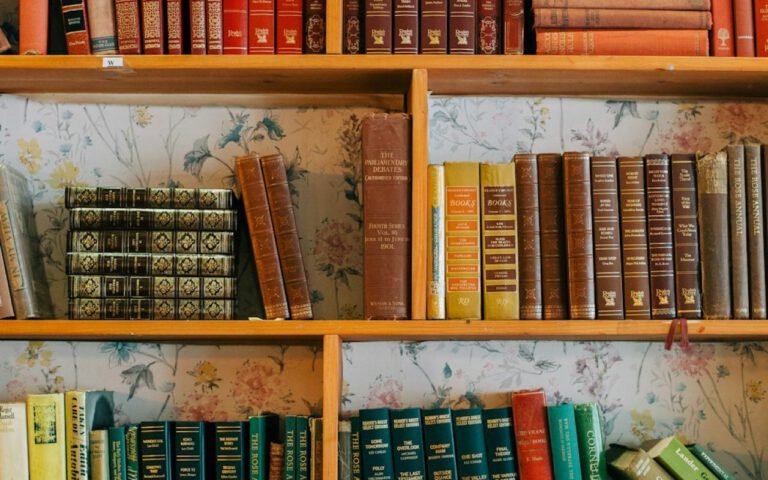 Bookstores & LibrariesInside America’s Coziest Used BookstoresCreaky floors, shop cats and the thrill of the find.
 Book ClubsBook Club Questions for “The Orchard Letters”Ten questions to get your group talking.
 Poetry & WritingThe Joy of Reading OutdoorsParks, porches and the best spots to read in the sun.
 Book ClubsOrganizing Your Bookshelf by Color: Yes or No?Our editors fight about it so you don’t have to.
 Poetry & WritingTen Classic Poems Everyone Should Read AloudPoetry was made for the voice.
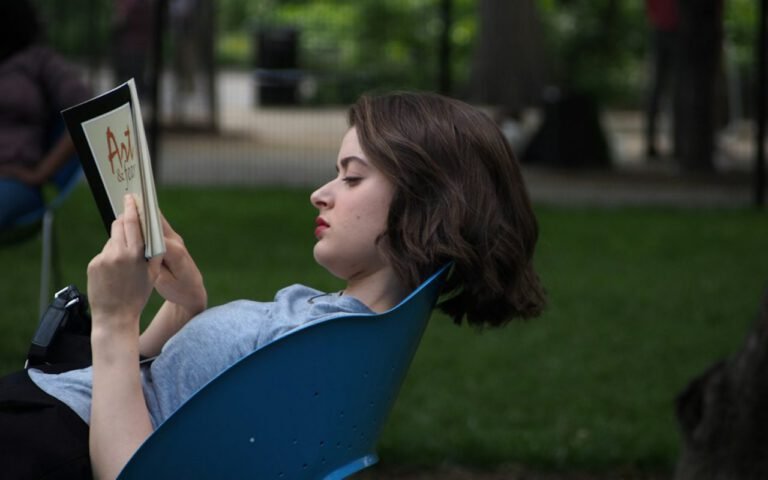 Poetry & WritingAsk the Librarian: How Do I Pick My Next Book?A librarian’s favorite tricks for finding a great read.