


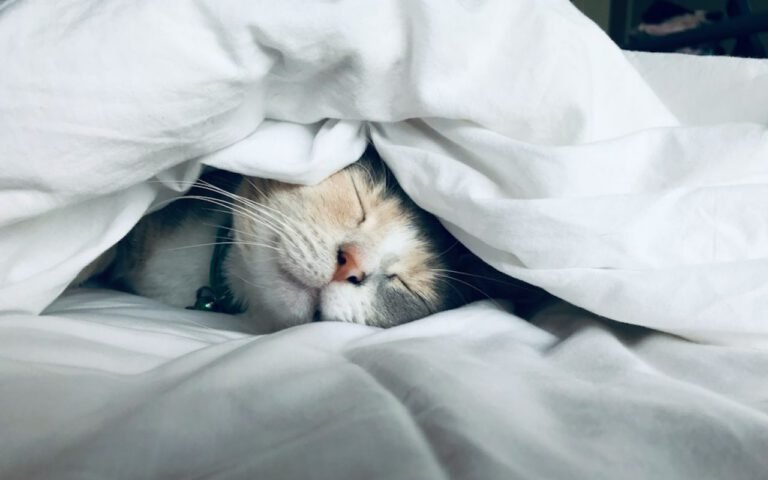
 Care & GearWhy Do Cats Sleep So Much?Up to 16 hours a day — and it’s completely normal.
Care & Gear Dr. Leah Moran6 min read
Cozy Cat Beds Our Readers Swear By
Heated, hooded and cardboard — the honest results.
Dr. Leah Moran6 min read

Written by
Dr. Leah Moran
Leah is a small-animal vet who reviews our health and safety stories.
7Articles
2026Writing since
We asked 2,000 readers where their cats actually sleep. The answers surprised us. We expected a tidy leaderboard of bed styles, with plush donuts and hooded caves battling for first place. What we got instead was a flood of photos showing cats asleep on laundry baskets, keyboards, bathroom sinks, shipping boxes and, in one memorable case, inside a mixing bowl on the kitchen counter. Cats, it turns out, do not read product descriptions. They choose sleeping spots based on warmth, safety, height and a mysterious personal logic that no marketing team has fully cracked. Still, patterns emerged, and they offer real lessons for anyone shopping for a cat bed. Here is what our readers told us, plus our own tips for choosing a bed your cat might actually use.
How we ran the survey
Over two weeks, Wag & Whisker readers filled out a short online questionnaire about their cats’ sleeping habits. We asked how many beds they owned, which styles they had tried, where their cats napped during the day and where they slept at night. We also asked readers to estimate how much they had spent on cat beds over the years and to share their best and worst purchases.
This was an informal reader survey, not a scientific study, and our respondents skew toward people who love their cats enough to answer questions about them. But the stories were remarkably consistent, and many readers shared the same small revelations about what their cats actually prefer.
The winners
Warm spots won: heated pads, sunny windowsills and — of course — freshly washed laundry. If there was one clear theme in our results, it was heat. Cats have a higher comfortable temperature range than people, and they seek out warm places to rest, especially older and short-haired cats.
Heated pads and beds
Readers who had tried a low-wattage, pet-safe heated pad or a self-warming bed, which uses reflective material to trap body heat, were among the happiest in our survey. Many said their cat claimed the bed within hours. If you try a heated option, choose one made specifically for pets, with chew-resistant cords and a low, safe temperature, and make sure your cat can easily move off it if it gets too warm.
Sunny windowsills
Sunbeams were the most common daytime napping spot in our survey. Window perches, cat trees beside windows and even a folded blanket on a sunny sill all ranked highly. The combination of warmth and a view seems hard to beat.
Clean laundry
Warm, freshly dried laundry was mentioned so often that several readers suggested we create a separate category. It is soft, warm and smells like the cat’s favorite people. Some readers have given up and now keep an old, soft sweatshirt in a basket just for the cat.

We bought a $90 bed. She sleeps in the box. Every cat owner knows this story.
Reader survey response
The losers
Expensive beds were often ignored in favor of the box they came in. It is the oldest joke in cat ownership, and our survey suggests it is mostly true. Readers described elaborate beds with memory foam, cooling gel and designer fabrics that sat untouched for months, while the cardboard shipping box became the most popular spot in the house.
Why do cats love boxes? Experts often point to security. A box has walls on several sides, which helps a cat feel hidden and protected while it rests. Cardboard also insulates well, holding in body heat. Many readers found that adding a small blanket to the box made it even more popular.
Other common disappointments included beds that were too small, beds with strong chemical or new-product smells, beds that slid around on hard floors and beds placed in busy, noisy parts of the house. Interestingly, many readers said a rejected bed later became a favorite after it was moved to a different spot, such as a quieter room or a higher shelf.
The surprising runners-up
Beyond the clear winners and losers, our readers reported a long list of unexpected favorite spots. Bathroom sinks ranked surprisingly high, likely because their curved shape cradles a curled-up cat and the porcelain stays cool on hot summer days. Computer keyboards and laptop lids came up again and again, which makes sense once you remember that electronics give off gentle heat and sit right where a cat’s favorite person is paying attention. Closet shelves, the tops of refrigerators and the space between a pillow and the headboard all earned multiple mentions. Several readers with multi-cat households noted that their cats rotated sleeping spots throughout the day, almost as if they were following the sun or taking turns. A few readers even described cats who abandoned a beloved spot overnight for no obvious reason, then returned to it weeks later. If your cat has a strange favorite napping place, you are in very good company.
What to look for in a cat bed
Based on our readers’ experiences, these are the features that seem to matter most:
- Warmth: Self-warming materials, plush fabrics or a pet-safe heated pad.
- Security: Raised sides, a hood or cave design for cats who like to hide.
- Size: Big enough to stretch or curl up, but snug enough to feel cozy.
- Washability: Removable, machine-washable covers make life much easier.
- A non-slip base: Beds that stay put on hard floors feel safer.
- The right location: Warm, quiet, slightly elevated and away from food and litter.
Pay attention to your own cat’s habits, too. A cat who sprawls out flat may prefer an open mat or a large cushion. A cat who curls into a tight ball may love a round, bolstered bed. A cat who hides under the blankets is a natural fit for a covered cave bed.

How to win over a picky cat
If you already own a bed your cat ignores, do not give up yet. Our readers shared plenty of tricks that worked for them:
- Place a worn T-shirt or blanket that smells like you inside the bed.
- Move the bed to a sunny spot, a windowsill or the top of a cat tree.
- Sprinkle a little catnip or silvervine on it, for cats who respond.
- Put the new bed inside the cardboard box your cat already loves.
- Air out a new bed for a few days to let manufacturing smells fade.
- Toss a few treats inside, or end play sessions near the bed.
Patience matters. Several readers said their cats ignored a bed for weeks before suddenly deciding it was the best place in the house. Cats like to make choices on their own terms.
Key takeaway: Warmth, security and location matter more than price. Before buying an expensive bed, try a soft blanket in a sunny box and see what your cat thinks.
The verdict
Our survey did not crown a single perfect cat bed, and maybe that is the point. Cats are individuals with strong opinions, and the best bed is the one your cat chooses. For many cats, that means somewhere warm, somewhere safe and often somewhere free. If you do invest in a bed, choose one with warmth, washability and a good location in mind, and keep the box it arrives in. You may need it.
If your cat suddenly changes where or how much it sleeps, especially if it starts hiding more, sleeping far more than usual or avoiding favorite high spots, mention it to your vet. Changes in sleep habits can sometimes signal pain or illness.
Written by
Dr. Leah Moran
Leah is a small-animal vet who reviews our health and safety stories.
7Articles
2026Writing since
Read next
Care & GearWhy Do Cats Sleep So Much?Up to 16 hours a day — and it’s completely normal. Care & GearThe Best Dog Beaches Are Also the Best-Behaved OnesEtiquette, safety and how to keep sand out of your car (mostly).
 CatsKitten Playtime: Games That Build a Confident CatWand toys, boxes and why hands are not toys.
 Care & GearHow to Give Your Dog a Bath Without a Wrestling MatchWarm water, lots of treats and the right towel.
 CatsCats and Dogs Under One Roof: A Slow Introduction PlanScent first, sight second, supervised visits third.
 AdoptionWindow Watching: Enrichment Ideas for Indoor CatsBird feeders, perches and a little cat TV.
 AdoptionBonded Pairs: Why Adopting Two Can Be EasierTwo friends, one adoption, half the loneliness.
 AdoptionFoster Before You Adopt: The Try-It-First OptionShelters need foster homes — and fostering helps you learn what fits.AdoptionBrushing Your Pet’s Teeth: A Two-Minute HabitPet toothpaste, a soft brush and patience.
Start the conversation