


 Care & GearWhy Do Cats Sleep So Much?Up to 16 hours a day — and it’s completely normal.
Care & Gear Dr. Leah Moran6 min read
Road Trips With Pets: A Packing List
Water, a secured crate and plenty of stops.
Dr. Leah Moran6 min read

Written by
Dr. Leah Moran
Leah is a small-animal vet who reviews our health and safety stories.
7Articles
2026Writing since
Traveling with pets is easier with planning and a few essentials. A road trip with a dog riding shotgun or a cat napping in the back seat can be one of the best parts of a vacation, but only if everyone arrives safe, comfortable and not completely frazzled. Whether you are heading to a lake cabin for the weekend or driving across three states to visit family, a little preparation in the days before you leave will save you a lot of stress on the highway.
Before you leave home
Start with a quick visit or call to your vet a few weeks before your trip. Make sure vaccines are current and ask for a copy of your pet’s records. If you are crossing state lines, some states and many campgrounds and hotels ask for proof of rabies vaccination, and some require a recent health certificate. Your vet can tell you what applies to your route.
This is also the time to double-check identification. Your pet should wear a collar with an ID tag showing your cell phone number. If your pet is microchipped, log in to the registry and confirm your contact details are up to date. Pets that slip out at an unfamiliar rest stop are much more likely to be returned quickly when the information is accurate.
Finally, think about your pet’s comfort with the car itself. A dog that has only ridden to the vet may associate the car with stress. Take a few short practice drives to a park or a fun spot in the week before your trip. For cats, leave the carrier out in the living room with a soft blanket inside so it becomes a familiar, safe place rather than something that only appears before a vet visit.

Safety first
A secured crate or a crash-tested harness keeps everyone safer. An unrestrained pet can be a dangerous distraction for the driver, and in a sudden stop, even a small dog can be thrown forward with surprising force. Pets riding loose can also be injured by airbags if they sit in the front seat.
For dogs, look for a crate that can be strapped down in the cargo area or back seat, or a harness that attaches to the seat belt system and has been crash-tested by an independent group. For cats, a sturdy carrier secured with a seat belt is the safest option. Most cats are calmer when they can stay tucked in a small space rather than roaming the car.
Never leave a pet in a parked car, even for a few minutes.
Dr. Leah Moran, veterinarian
Dr. Leah Moran says this is the rule she repeats more than any other each summer. Temperatures inside a parked car can rise very quickly, even with the windows cracked and even on a day that feels mild. Plan your stops so that someone can always stay with your pet, or choose pet-friendly places where your pet can come inside with you. Many travelers take turns, with one person grabbing food while the other walks the dog.
Stop often
Plan breaks every two to three hours. Your pet needs a chance to stretch, drink water and go to the bathroom, and frankly, so do you. Highway rest areas often have designated pet areas, and many state parks along major routes make pleasant places for a short walk away from traffic.
Always clip the leash on before you open the car door. A dog excited to get out, or a cat startled by a passing truck, can bolt in a second. Keep cats inside the car with the doors closed during stops. Most cats will not use a litter box mid-trip, but some will, so a small disposable box in the back seat is worth having for long drives.
Use the stops to check on your pet’s mood, too. Panting, drooling, whining or restless pacing can be signs of stress, heat or nausea. If your pet seems uncomfortable, slow down your schedule, add an extra break in a shady spot and make sure the air conditioning reaches the back seat or cargo area. Sunshades on the rear windows are a cheap and easy way to keep a crate or carrier cooler on sunny afternoons.
When it comes to food, many vets suggest a light meal a few hours before departure rather than a big breakfast right before getting in the car. That can help with motion sickness. Offer water at every stop. If your pet tends to get carsick, ask your vet about options before the trip.

Pack this
A good pet travel kit fits in a single tote or a small duffel bag. Keep it within reach rather than buried under luggage in the trunk. Here is the core list, plus a few extras that seasoned pet travelers swear by:
- Water + bowl
- Leash and waste bags
- Medical records
- A familiar blanket
- Enough food for the whole trip, plus two extra days
- Any medications, in their original labeled containers
- A recent photo of your pet in case you get separated
- A basic pet first-aid kit with gauze, tape and wipes
- Paper towels, enzyme cleaner and a few trash bags
- A favorite toy or chew for quiet time
- For cats: a small litter box, litter and a scoop
Bringing your pet’s usual food is important. Switching brands suddenly can upset stomachs, and you may not find the same food in a small town along the way. A gallon jug of water from home is also handy for pets with sensitive stomachs.
Key takeaway: Pack the pet bag first, and keep it in the front of the car, not the bottom of the trunk.
Finding pet-friendly stays
Book lodging ahead of time and always confirm the pet policy directly. Some hotels limit pets by size, weight or number, and many charge a nightly or one-time pet fee. Vacation rentals vary widely, so read the listing carefully and ask the host about fenced yards, nearby walking areas and any rules about leaving pets alone in the rental.
When you arrive, take a few minutes to check the room for anything your pet could chew or swallow, like dropped pills or loose cords. Set up their bed, bowls and blanket in a quiet corner so the space smells familiar. Take your dog for a slow walk around the property so it can learn the new smells and sounds, and note the nearest emergency veterinary clinic in case you need it during the night. If you need to step out, a crate gives most dogs a calm place to rest, but check whether your lodging allows pets to be left alone at all.
Enjoy the ride
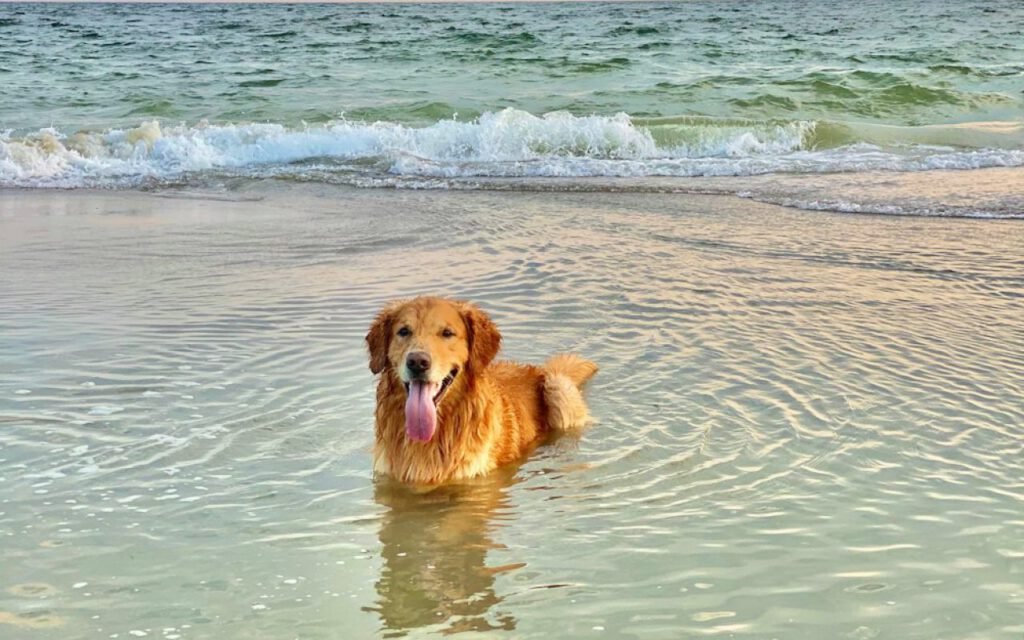
The most memorable road trips with pets are rarely the ones with the most miles. They are the ones with a long sniff at a scenic overlook, a nap in the shade of a picnic table and a dog who hops back into the car with a wagging tail. Build a little extra time into your schedule, pick routes with good places to stop and let your pet set part of the pace.
With a secure setup, a well-stocked bag and plenty of breaks, your pet can be a happy, relaxed travel companion. And when you finally pull into your destination, you will both be ready to explore.
General pet-care information, not veterinary advice. Call your own vet with any health question.
Written by
Dr. Leah Moran
Leah is a small-animal vet who reviews our health and safety stories.
7Articles
2026Writing since
Read next
Care & GearWhy Do Cats Sleep So Much?Up to 16 hours a day — and it’s completely normal. Care & GearThe Best Dog Beaches Are Also the Best-Behaved OnesEtiquette, safety and how to keep sand out of your car (mostly).
 CatsKitten Playtime: Games That Build a Confident CatWand toys, boxes and why hands are not toys.
 Care & GearHow to Give Your Dog a Bath Without a Wrestling MatchWarm water, lots of treats and the right towel.
 CatsCats and Dogs Under One Roof: A Slow Introduction PlanScent first, sight second, supervised visits third.
 AdoptionWindow Watching: Enrichment Ideas for Indoor CatsBird feeders, perches and a little cat TV.
 Care & GearCozy Cat Beds Our Readers Swear ByHeated, hooded and cardboard — the honest results.
 AdoptionBonded Pairs: Why Adopting Two Can Be EasierTwo friends, one adoption, half the loneliness.
 AdoptionFoster Before You Adopt: The Try-It-First OptionShelters need foster homes — and fostering helps you learn what fits.
2 Comments
Thanks for explaining this so clearly.
Great reporting — please keep following this story.