


 LearnLearning Guitar as an Adult: Your First 30 DaysFour chords, sore fingers and your first song.
Learn Andre Mills6 min read
The Violin, Explained: Why It’s So Hard (and So Worth It)
No frets, perfect pitch and a lot of patience.
Andre Mills6 min read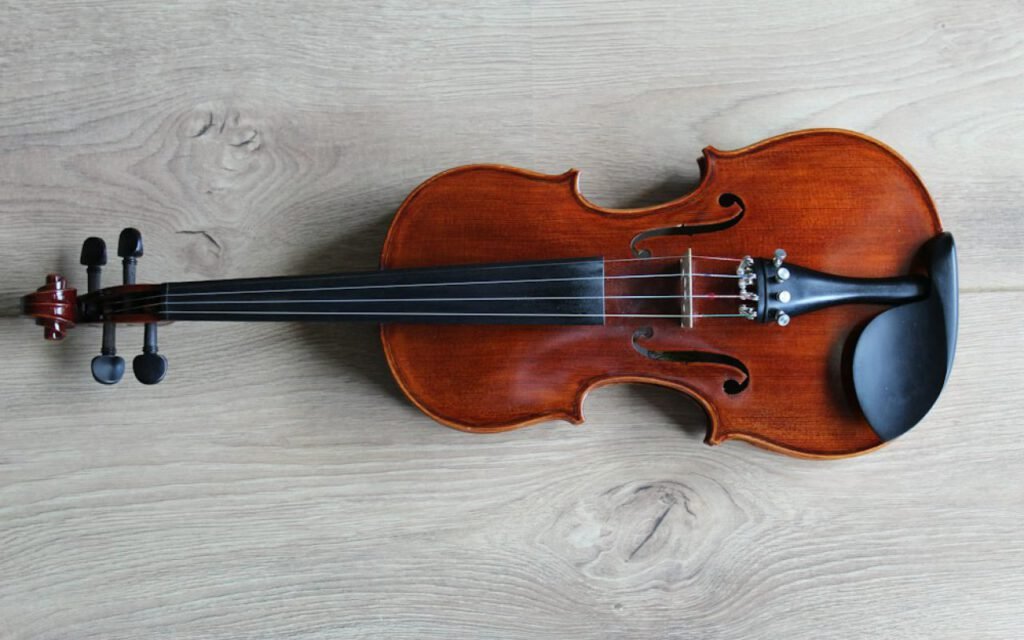

Written by
Andre Mills
Andre plays saxophone in three bands and writes about all of them.
7Articles
2026Writing since
Pick up a guitar for the first time and, within a few minutes, you can strum a chord that sounds more or less like music. Pick up a violin and you will likely produce a sound closer to a startled cat. That is not a knock on the violin. It is a reflection of how different the instrument is. Unlike a guitar, a violin has no frets, and players learn exactly where to place each finger by ear. Add in a bow that has to be controlled with remarkable precision, and you have one of the most demanding instruments a person can learn.
And yet millions of people around the world play it, from kids in school orchestras to fiddlers at bluegrass festivals to adults who finally decided to chase a lifelong dream. So what makes the violin so hard, and why do so many people stick with it anyway? We asked teachers, students and our own strings columnist to explain.
No frets, no safety net
On a guitar, thin metal frets divide the neck into precise steps. Put your finger anywhere between two frets, press down, and you get the right note. A violin’s fingerboard is completely smooth. If your finger lands a fraction of an inch too high or too low, the note is out of tune, and everyone in the room can hear it.
This means violinists develop a kind of muscle memory guided entirely by listening. Every note is a tiny adjustment. Beginners often use small stickers or tape strips on the fingerboard as guides, which is a perfectly good way to start. Over time, those markers come off, and the hand learns where to go on its own. It takes months, sometimes years, to play reliably in tune, and even professionals keep refining their intonation for their entire careers.
Shifting makes it harder still. As players move to higher notes, their whole hand slides up the neck to new positions, and the spaces between notes get smaller. A violinist playing a fast passage high on the E string is placing fingers with incredible accuracy at high speed, all without a single visual landmark.

The first months
Expect squeaks. Bow control takes time. The bow is where most of the violin’s sound comes from, and it is far more complicated than it looks. A player has to manage three things at once: how fast the bow moves, how much weight presses into the string, and where on the string the bow makes contact. Get one of those wrong and the tone turns scratchy, thin or whistly.
Most beginners spend their first weeks on open strings, simply drawing the bow back and forth and trying to make a clean, steady sound. It is not glamorous. But teachers say this is where good tone is born. Students who rush past it often struggle with a harsh sound for years.
The violin teaches patience before it teaches music.
Our strings columnist
Posture is the other big early challenge. The violin rests between the jaw and the shoulder, the left arm twists under the instrument, and the right arm moves in long, smooth arcs. None of this feels natural at first. Teachers spend a lot of time making sure students are relaxed, because tension in the neck, shoulders or wrist makes playing harder and can lead to aches. A shoulder rest and a chin rest that fit your body make a real difference.
A realistic first-year timeline
Every learner is different, but many teachers describe a similar path:
- First few weeks: holding the violin and bow, open strings, simple rhythms.
- First two or three months: placing fingers on the first string or two, easy folk tunes.
- Around six months: playing simple pieces on all four strings, beginning to read music fluently.
- By the end of the first year: smoother bowing, better tone and the first real sense of playing music rather than exercises.
Why people stick with it
Few instruments sing like a violin. Its range and tone sit remarkably close to the human voice, and a skilled player can make it whisper, cry, laugh or soar. That expressive power is exactly what hooks people. The first time a student plays a slow melody and hears it actually sound beautiful, something clicks.
The violin is also incredibly versatile. The same instrument shows up in symphony orchestras, string quartets, Irish sessions, Appalachian fiddle music, jazz, rock bands and film scores. Learn the basics and you can wander into almost any style of music you like. Many adult students tell us they started with classical lessons and ended up at weekly fiddle jams, playing reels with strangers who quickly became friends.

Then there is the community. Orchestras and string groups are, by nature, social. Playing your part while 30 other musicians play theirs, and hearing it all come together, is a feeling most solo instruments simply cannot offer.
Tips for new players
If you are thinking about starting, or you have just begun, these suggestions come up again and again from teachers:
- Rent before you buy. Many music shops offer rental programs for students, often with the option to apply rental payments toward a purchase.
- Get the right size. Violins come in fractional sizes for children, and a proper fit makes learning much easier.
- Take lessons, at least at first. A good teacher catches posture and bowing habits that are hard to fix later.
- Use a tuner and a drone. Practicing scales against a steady reference pitch trains your ear quickly.
- Practice a little every day. Fifteen to twenty minutes of focused work beats one long weekend session.
- Record yourself. You will hear tuning and tone issues that are easy to miss while playing.
Adult beginners often worry they started too late. Teachers say otherwise. Adults may progress differently than children, but they bring focus, patience and a clear sense of why they want to play. Plenty of people pick up the violin in their forties, fifties and beyond, and find it one of the most rewarding things they have ever done.
Care and keeping
A violin is a delicate wooden instrument, and a little care goes a long way. Loosen the bow hair after every session so it does not warp the stick. Wipe rosin dust off the strings and body with a soft cloth. Keep the instrument away from heaters, car trunks and very dry rooms, since sudden changes in temperature and humidity can crack the wood. Strings wear out too, so most teachers suggest replacing them at least once or twice a year if you play regularly. A yearly checkup at a local repair shop will keep everything adjusted and sounding its best.
Key takeaway: The violin is hard because it asks your ears, hands and arms to work together with no shortcuts. That same challenge is what makes the payoff so rewarding.
Worth every squeak
Learning the violin is a long road, and nobody pretends otherwise. There will be screechy weeks, sore fingertips and days when nothing seems to sound right. But there will also be the evening when a melody finally flows, in tune and full of feeling, and you realize the sound filling the room is coming from you. Ask any violinist, and they will tell you that moment is worth every squeak along the way.
Written by
Andre Mills
Andre plays saxophone in three bands and writes about all of them.
7Articles
2026Writing since
Read next
LearnLearning Guitar as an Adult: Your First 30 DaysFour chords, sore fingers and your first song. StudioHow a Song Gets Made: Inside a Recording SessionFrom demo to final mix in five steps.
 LearnPiano Practice Tips From a Lifelong TeacherSlow hands, steady counting and pieces you actually like.
 LiveBusking 101: Playing on the StreetPermits, pitches and how to draw a crowd.
 LearnHome Recording on a BudgetOne mic, one interface and a quiet closet.
 LearnDrum Kit Basics: What Every Beginner NeedsPractice pads, sticks and a little consideration for the neighbors.Jazz & VenuesInside a Late-Night Jam SessionWhere musicians test ideas and make friends.
 Jazz & VenuesWhat Does a Music Producer Actually Do?Part coach, part engineer, part therapist.
 LearnSinging Lessons: Are They Worth It?What a good vocal coach actually teaches.
2 Comments
Thanks for explaining this so clearly.
Great reporting — please keep following this story.