





 ReviewsAlbum Review: Velvet Harbor’s “Night Swim” Is a Summer ClassicDreamy, warm and impossible to skip. ★★★★½
Written by
Lucy Ford
Lucy is a recording engineer who explains the studio without the jargon.
6Articles
2026Writing since
Elaine Ward has heard every excuse a piano student can invent. The cat sat on the sheet music. The metronome was broken. A cousin visited for a week. After 30 years of teaching, piano teacher Elaine Ward (fictional) shares what really helps students improve, and none of it involves expensive gear or secret methods. It comes down to slow hands, steady counting and pieces you actually like playing.
Ward runs a small home studio in Columbus, Ohio, where she teaches about 25 students a week, from second graders to a retired airline pilot in his seventies. We sat down with her at her well-worn upright piano to talk about practice, the part of learning music that happens when the teacher is not in the room.
Slow is fast
Ask Ward for her number one tip and she does not hesitate. Playing slowly and correctly builds speed faster than rushing. It sounds backward, and almost every student resists it at first.
“When you play a passage fast and sloppy, you are practicing the mistakes,” she said. “Your hands learn whatever you repeat. If you repeat the wrong note ten times, you have learned the wrong note very well.” Instead, she asks students to slow a tricky section down until they can play it perfectly three times in a row, then raise the tempo a little.
She uses a metronome for this, and she is not shy about it. Many students set the metronome to a speed they think is slow, then cut it in half. That is usually closer to the right place to begin. Over days and weeks, the speed creeps up, and the passage that once seemed impossible starts to feel natural.
Count out loud. Your neighbors will forgive you.
Elaine Ward, piano teacher (fictional)
Counting out loud is her second big rule. It feels silly, especially for adult learners, but it forces you to keep steady time instead of slowing down for the hard parts and speeding up through the easy ones. Rhythm problems that hide when you count silently become obvious the moment you say the numbers aloud.
Short sessions beat long ones
Ward believes most beginners would be better off practicing 20 focused minutes every day than two hours once a week. Your brain and hands need time between sessions to absorb what you practiced. Daily repetition, even in small doses, is what turns effort into skill.
She suggests that students build each session around a simple plan:
- Warm up for a few minutes with scales or a simple exercise.
- Work on the hardest section of your current piece first, while your mind is fresh.
- Practice hands separately before putting them together.
- Play through something you already know well, just for fun.
- Write a quick note about what to work on tomorrow.
That last step is one of her favorites. “Most people sit down at the piano and have no idea what they are going to do,” she said. “A one-line note from yesterday saves you five minutes of wandering.”
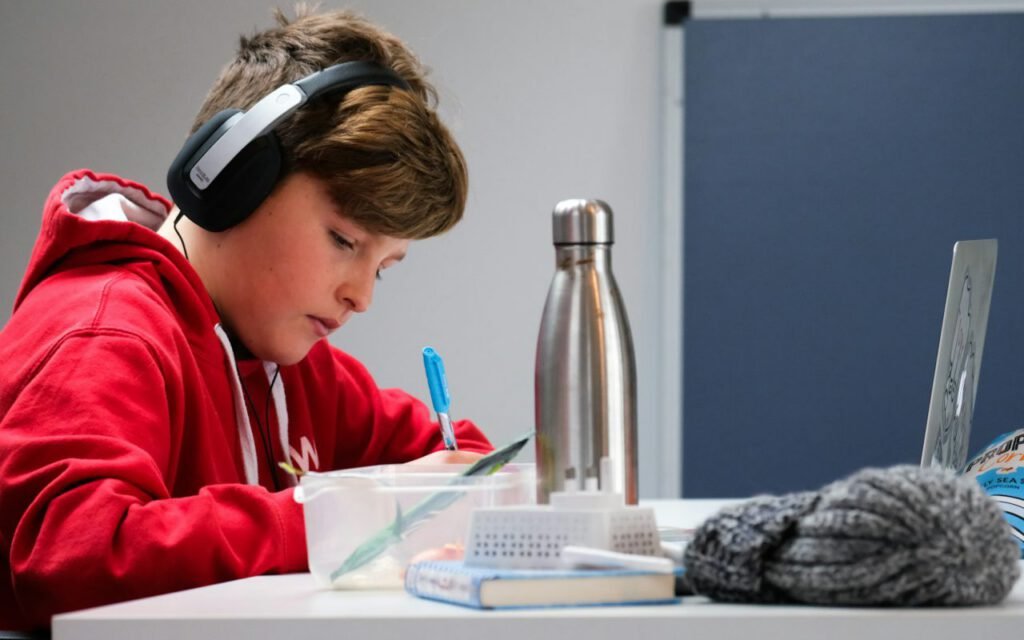
Fix the hard part first
One habit Ward sees constantly is students who start every practice session at the beginning of the piece. They play the easy opening beautifully, stumble at the same tricky measure, and go back to the start. After a month, the first page is polished and the rest is a mess.
Her fix is simple. Find the measure that trips you up, and practice just that measure, plus one measure on either side so you can connect it smoothly. Once it is solid, play it in context. Some of her students mark these spots with a small pencil star in the score, and they erase the star once the passage is clean. It is a tiny reward, but she says it works surprisingly well.
Use your ears
Ward also encourages students to record themselves on a phone once a week. “You hear things in a recording that you never notice while you are playing,” she said. A rushed phrase, an uneven left hand, a note held too long. Listening back turns you into your own teacher, and it gives you a record of how far you have come.
Play music you love
Motivation matters more than the perfect method book. Ward has watched dozens of students quit because they were stuck plodding through pieces that meant nothing to them. She has also watched reluctant students suddenly practice every day once they found a song they were excited to learn.
For that reason, she lets students bring in music they love, whether it is a movie theme, a pop song, a hymn or a jazz standard. She will often arrange a simplified version at the right level. Classical repertoire still has a place in her studio, but she says it lands better when students also get to play something that feels like their own.

Adult beginners, she notes, often want to play a specific piece, like a song from their wedding or something a parent used to play. That goal can carry them through months of scales and exercises. “If you know why you are at the piano, you will keep coming back to it,” she said.
Be patient with yourself
Every learner hits plateaus, those weeks when nothing seems to improve. Ward tells her students these are normal, and that progress often shows up all at once after a frustrating stretch. She encourages students to look back at a piece from three months earlier. It almost always feels easier than it once did, which is proof the work is paying off.
She also reminds parents that practice should not become a battle. A short, positive session is better than a long, tearful one. Praise effort, not just results, and let kids play for family members when they are ready.
A note for adult beginners
About a third of Ward’s students are adults, and she says they face a different set of challenges than kids do. Adults tend to understand music faster, but their hands can be slower to follow, and that gap is frustrating. They also judge themselves more harshly. “A seven-year-old plays a wrong note and laughs,” she said. “A fifty-year-old plays a wrong note and wants to quit.”
Her advice for grown-ups is to set small, specific goals, like learning eight measures this week, rather than vague ones, like getting better at piano. She also recommends a regular practice time tied to an existing habit, such as right after morning coffee or right before dinner. When practice has a fixed place in the day, it stops being a decision you have to make. And she reminds adults that a used digital piano with weighted keys and a headphone jack is a perfectly good way to start, especially for anyone living in an apartment.
Key takeaway: Slow down, count out loud, fix the hardest measure first and choose music that makes you want to sit down at the bench.
The long game
After three decades, what keeps Ward teaching is the moment a student plays something they could not play a month earlier and looks up, surprised at themselves. That moment does not come from talent or luck. It comes from small, steady, honest practice, day after day. As she put it on our way out the door, the piano is patient, so you can be too.
Written by
Lucy Ford
Lucy is a recording engineer who explains the studio without the jargon.
6Articles
2026Writing since
Read next
ReviewsAlbum Review: Velvet Harbor’s “Night Swim” Is a Summer ClassicDreamy, warm and impossible to skip. ★★★★½ LiveFestival Survival Guide: Three Days, Zero RegretsEarplugs, shade and a meeting spot for your friends.
 LearnLearning Guitar as an Adult: Your First 30 DaysFour chords, sore fingers and your first song.
 ReviewsWhy Vinyl Records Keep Coming BackBig covers, warm sound and the ritual of the needle.
 StudioHow a Song Gets Made: Inside a Recording SessionFrom demo to final mix in five steps.
 LearnThe Violin, Explained: Why It’s So Hard (and So Worth It)No frets, perfect pitch and a lot of patience.
 LearnHome Recording on a BudgetOne mic, one interface and a quiet closet.
 LearnDrum Kit Basics: What Every Beginner NeedsPractice pads, sticks and a little consideration for the neighbors.
 LearnSinging Lessons: Are They Worth It?What a good vocal coach actually teaches.
Start the conversation